Transport department continues negotiations to regulate e-hailing service
Mediation talks continued after a series of protests in 2021 and 2022 to the national transport department and trade industry department in the Pretoria CBD where e-hailers decried continuous security scares, deaths of drivers, hijacking and robberies.
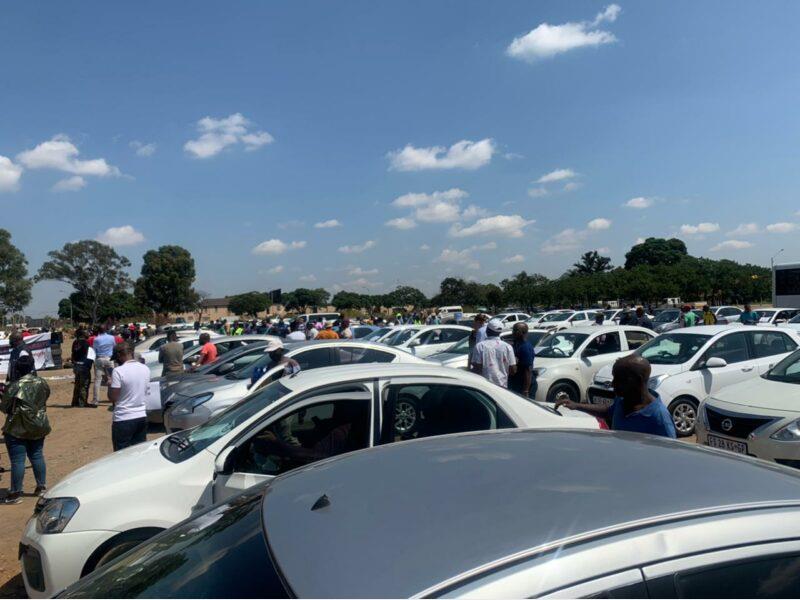
The Gauteng public transport department will meet with stakeholders in the e-hailing industry to discuss fares and security issues this week.
The meeting between the Gauteng e-Hailing Partners Council (Gepco) and e-hailing technology companies Uber and Bolt will take place on August 2 and 3, according to Gauteng public transport and roads infrastructure MEC Jacob Mamabolo.
This followed a series of meetings between the department and affected e-hailers to find solutions to regulating pricing and security issues among others.
“We applaud all parties for agreeing to participate. We look forward to a fruitful mediation where all parties will cooperate to ensure a successful resolution to all issues.
“We need to continue instilling a culture of negotiations in the public transport sector, and spare the public incidences of violence and disruptions.”
He said the engagements were crucial in the government’s initiative, dubbed the #SmartMobility vision.
The initiative seeks to integrate all modes of public transport to provide an efficient, safe, reliable and sustainable transport system in Gauteng.

“Successful integration of all public transport systems requires us to work together to find innovative ways to resolve issues and minimise violence in the sector. It is through negotiations that we can achieve that,” he said.
In 2021, acting public transport deputy director-general Johannes Magkhatho announced that the legislation to regulate e-hailing services was awaiting approval.
“As soon as the legislation is approved, it will be made public.”
He said the legislation had already been put through parliament and the “necessary consultation processes”.
At the time, the Presidency was looking at whether the proposed legislation was constitutional, he added.
The public transport department had received a memorandum of grievances from protesting e-hailers.
They were demanding that government intervene to force e-hailing companies to do more to protect them as their drivers faced security issues including death and loss of vehicles due to hijacking and robberies.
Drivers Henry Mathebula and Nomagugu Ndiweni said: “We have had numerous friends and colleagues die because of being an unregulated service.”
Mathebula said their protest was a stand against their unfair treatment and exploitation by e-hailing companies.
According to him, many leading e-hailing apps did not have a customer verification system therefore anyone wanting to rob a driver could get a SIM card, download the app and book a ride.
He said some e-hailing companies did not ensure drivers always drove cars registered to them, “so sometimes when a customer books a ride, they book a red Toyota but a green Chevrolet arrives”.
“This means that when a crime occurs, the real driver of the car cannot be traced.”
Ndwini said the cheaper e-hailing service fares were a source of contention between meter taxi- and mini-bus taxi drivers leading to confrontations with e-hailing drivers on the road.
She demanded that pricing be regulated and aligned with other roleplayers in the transport industry to ensure the safety of all.
Tshwane driver Mphometsi Leshaba said e-services companies were failing them as drivers.
He said when drivers report a security problem, e-hailing companies’ security teams do not “respond fast enough, especially in townships”.
Leshaba said by the time the security team arrived on the scene, the driver has already lost their car, money or life.
Do you have more information about the story?
Please send us an email to editorial@rekord.co.za or phone us on 083 625 4114.
For free breaking and community news, visit Rekord’s websites: Rekord East
For more news and interesting articles, like Rekord on Facebook, follow us on Twitter or Instagram