‘I can’t breathe’ – oxygen dependent residents suffer as load-shedding worsens
This past weekend residents experienced more than nine hours without electricity (each 24-hours) during load-shedding and it continues this week.
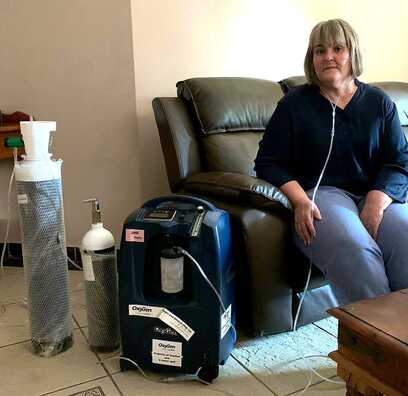
“I cannot breathe.”
This is the experience of people dependent on oxygen machines for breathing as load-shedding intensified at the weekend and continued this week leaving residents without power for more than nine hours.
Eskom on Saturday implemented stage 5 load-shedding citing power generation loss as some of its stations experienced problems. On Sunday it moved to stage 6 before announcing a return to stage 5 on Monday.
During this time, residents have to put up with more than nine hours without electricity during a 24-hour period.
A Pretoria woman who recently spent two weeks in ICU at Die Wilgers hospital for pneumonia and thereafter given an oxygen machine for breathing support, Claudine du Randt, described the intense load-shedding as a threat to her life.

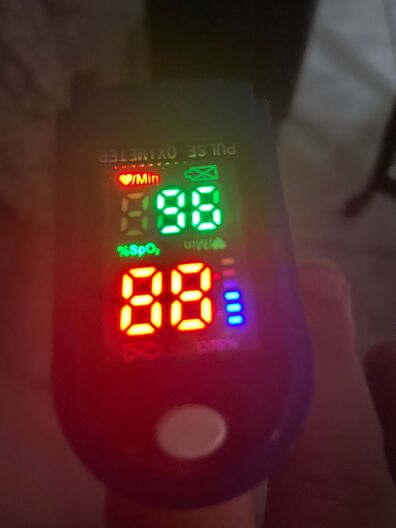
The machine uses electricity to produce oxygen, she said. Without electricity she struggled, adding that her 10l oxygen bottle back-up was not enough.
“It is a horrible feeling when you cannot breathe. I do not want to feel like I am suffocating again, the way I felt when I landed up in the ICU, it is terrifying.”
The Constantia Park resident said the 10l bottle lasts 10 hours and this was not enough. “I use it only when I cannot stand it and feel like I am about to collapse.”
“A refill is about R350 and the delivery is more-or less the same price. We cannot afford R700 a week to refill the bottle, and now with stage 6 it would cost double or three times that,” Du Randt said.
The 39-year-old said her family was dependent on a single income. “My office does not want to take the risk of me working until I am off oxygen.”
She said she could not afford to buy a generator or back-up batteries for the machine that cost more than R2 000, just to breathe.
“I have now woken up several evenings, with a chest that burns and a head that throbs because my oxygen levels keep dropping. In my case, it also leads to shortness of breath, headaches and extreme tiredness, increased heart rate and dizziness.
“In the long run, if it continues it might lead to heart disease or organ shutdown,” Du Randt said.
Claremont resident with a chronic lung condition, Gerda Oosthuizen said if she does not get oxygen supply for more than five minutes her blood oxygen levels fall significantly.
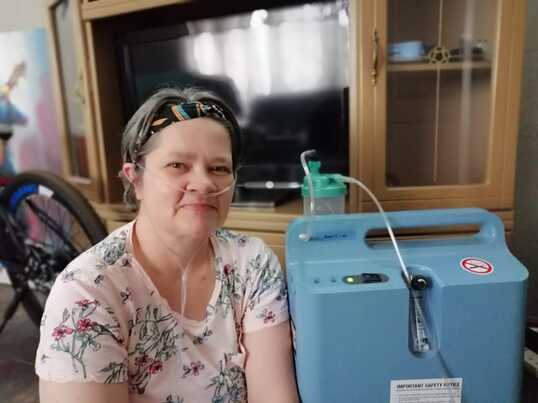
“Not to sound too dramatic, but it can surely end my life.”
She said her condition, bronchiectasis, worsened when she contracted Covid-19 in June last year and was placed on oxygen 24/7 from only using it at night.
“Load-shedding impacts my health a great deal. I have back-up batteries for the oxygen machine, but they are now starting to wear out, because they do not have sufficient time to recharge.”
She said each of the batteries costs R2 700 and she needed two. “This is out of reach for most people,” she added.
Oosthuizen described the emotional impact of the announcement of load-shedding as a fearful time for her.
“I feel Eskom has failed us. I am one of many people who is in this situation.”
Diamonda Harvey (52) of Theresa Park in the north of Pretoria, said due to the power crisis, she had to purchase oxygen equipment at a cost of R15 000 to cope when there is no electricity.
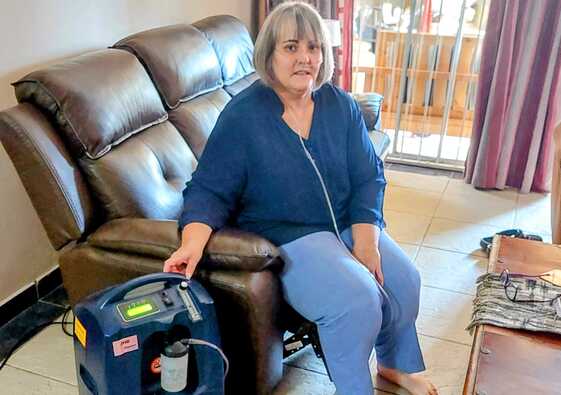
“My husband has to drive every day to have oxygen bottles filled for the times there is load-shedding for more than two hours.
“I had a sliding hernia which caused aspiration pneumonia. My lungs were damaged because of it. I have been on oxygen full-time since July,” Harvey said.
Paramedic Xander Loubser said although load-shedding was not new, its impact on people dependent on oxygen machines could be severe during long power outages.
“Some people rely on oxygen concentrated machines just to live and no electricity means no oxygen for them.”
Loubser said medically, long periods without oxygen result in loss of consciousness, hospitalisation and depending on the medical condition, can also be life-threatening.
“Even if people have a spare bottle that should be used in case of an emergency during a power failure, that is a temporary solution to a big problem.
“As a health practitioner dealing with sick people as a direct result of load-shedding I find it concerning and I hope we do not see fatalities caused by lack of oxygen.”
He said they received a lot of calls from people requesting oxygen supply, “which we cannot do because we need oxygen for emergencies for our patients and we only have these in limited stock”.
Loubser said they rented supplies to people in desperate conditions.
ALSO READ: Physical movement for a healthy body
Do you have more information about the story?
Please send us an email to editorial@rekord.co.za or phone us on 083 625 4114.
For free breaking and community news, visit Rekord’s websites: Rekord East
For more news and interesting articles, like Rekord on Facebook, follow us on Twitter or Instagram