Mobile network infrastructure suffering as opportunistic criminals strike during load-shedding
Suspects, aged 20, 37 and 43, were caught red-handed trying to steal the batteries from the tower.
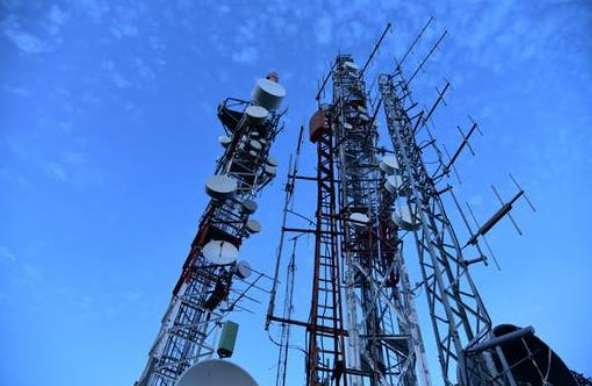
Boschkop police arrested three suspects on Monday for the theft of essential infrastructure at a mobile tower at a Kleinfontein plot in the east of Pretoria.
Police spokesperson Constable Yeroboam Mbatsane said the arrests were made during the night.
“Opportunistic criminals are using load-shedding as a golden ticket to raid cellphone towers’ essential infrastructure.”
Mbatsane said the suspects, aged 20, 37 and 43, were caught red-handed trying to steal the batteries from the tower.
Vodacom and MTN acknowledged that criminal activity and load-shedding were disrupting essential telecommunication services.
Vodacom spokesperson Byron Kennedy said about 600 incidents per month were recorded in which sites had been impacted by theft or damage.
“We are losing between R120- and R130-million to vandalism and theft each year. However, we are fighting back to stem the tide of battery theft.”
Kennedy said base station vandalism had become significantly worse over the past few years.
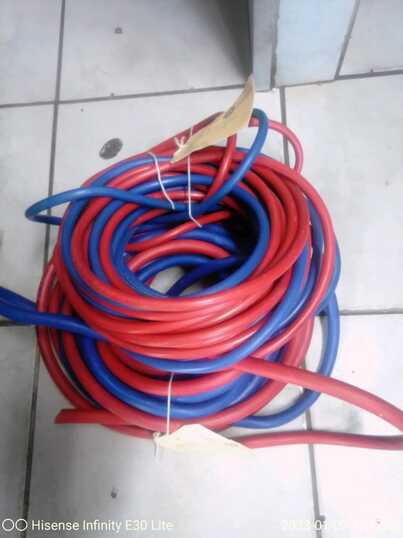
“Each theft can result in the network in that area being down for days. It can severely impact businesses as well as anyone relying on the internet to study. It can also cause ecological damage with vandalism resulting in diesel spillage.”
He blamed the crimes on organised syndicates as batteries were being sold to neighbouring countries.
“These syndicates are coming up with unique approaches to commit this crime,” Kennedy said.
“Local network providers experience daily multiple incidents of break-ins at our base stations sites, which ultimately impacts the cost of mobile services.”
Kennedy said Vodacom had implemented new security measures.
These included epoxy and glass housing around a battery; cementing the batteries in vaults and installing concrete cubes to house the batteries; replacing lead batteries with lithium-ion batteries; and partnering with local community members and SAPS to secure sites.
“We are working closely with law enforcement agencies and security companies to arrest thieves.”
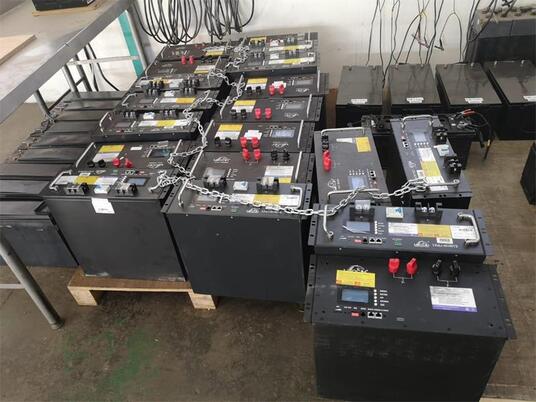
MTN spokesperson Jacqui O’Sullivan said the mobile operator was trying to protect customers’ connectivity with an aggressive roll-out of batteries, generators and alternate power supplies.
O’Sullivan said presents a challenge for the mobile operator while prolonged power outages now also affected battery recharging.
Battery backup systems took 12-18 hours to recharge, while batteries only had a capacity of about 6-12 hours, depending on the site category.
“Despite having placed thousands of batteries at our sites across the country, the efficacy of those batteries reduces once we pass stage 4 load-shedding.
“Consistent outages, therefore, have a direct impact on the performance of the batteries. Consistent theft of the batteries themselves means replacements need to be installed,” she said.
She said MTN was at an advanced stage to reduce battery theft and vandalism in hotspot areas such as Tembisa and Soshanguve.
O’Sullivan said the two areas were prone to battery theft and vandalism.
MTN has, however, tried counteracting the theft and stage 5 and 6 load-shedding by deploying over 2 000 generators in 2022.
“In Tshwane, we have upgraded most of our sites over the last three years and we continue to modernise our network across the country with over R6-billion invested across the country in the 2022 financial year.”
ALSO READ: Ga-Rankuwa welcomes opening of a new school
Do you have more information about the story?
Please send us an email to editorial@rekord.co.za or phone us on 083 625 4114.
For free breaking and community news, visit Rekord’s websites: Rekord East
For more news and interesting articles, like Rekord on Facebook, follow us on Twitter or Instagram