Ikageng water crisis escalated to Gauteng province
The issue of water had been going on for years and it started with low water pressure and moved to no water at all.
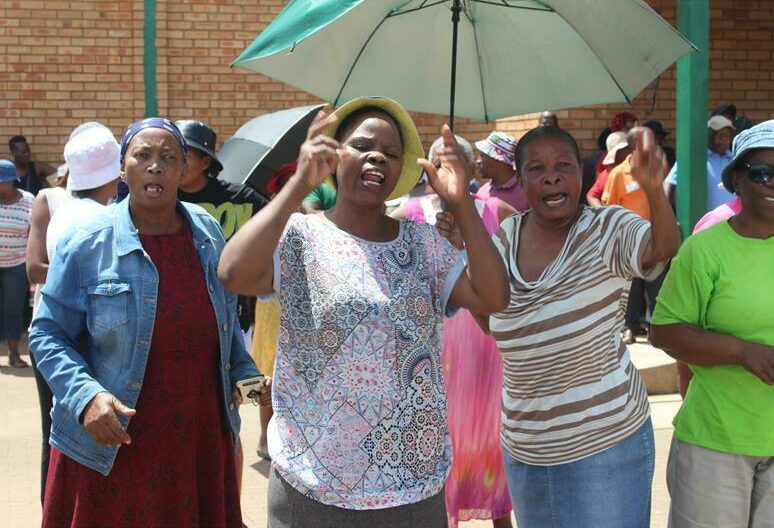
Frustrated Ikageng residents have pinned their hope for the end of their ongoing water and electricity outages on the Gauteng government.
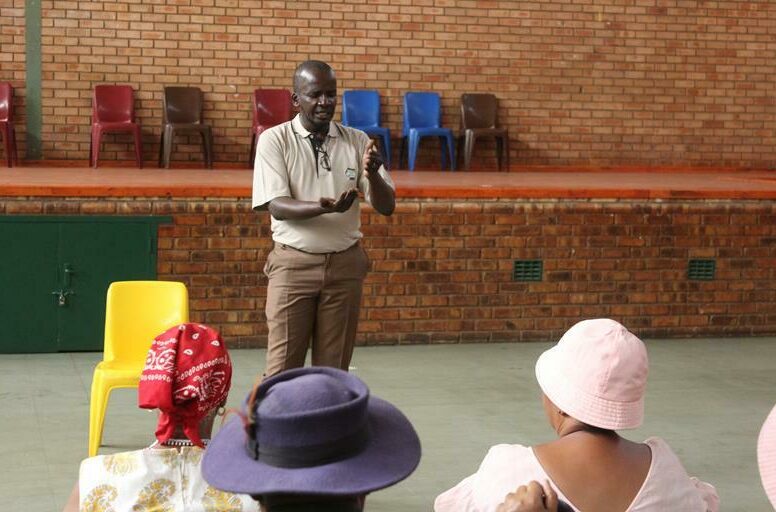
Local ward councillor Joel Masilela told Record that he personally told premier Panyaza Lesufi about the problem on Wednesday, March 15, at the launch of the People’s March campaign.
Lesufi, along with ANC Secretary General Fikile April Mbalula and Gauteng’s provincial executive committee, were at Ikageng community hall in Mamelodi to announce that the party would march to Tshwane House, the seat of the metro government, on Friday 17 to protest what it called “DA coalition service delivery failures in the capital city”.
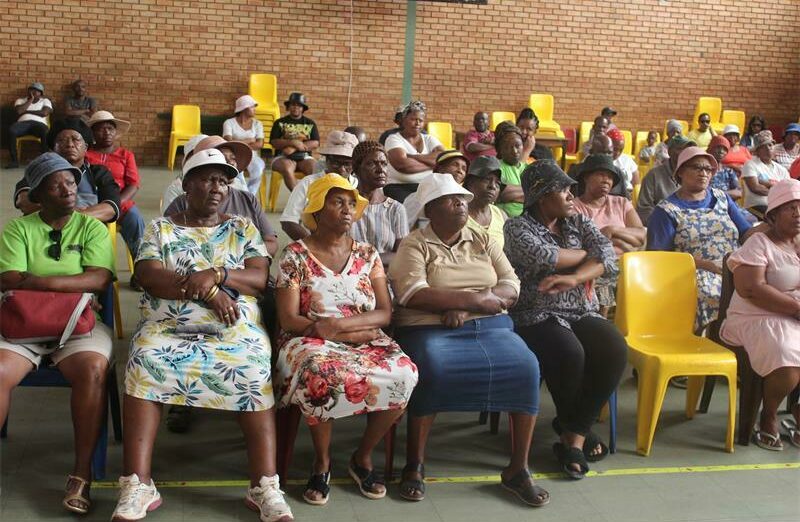
Masilela said water shortages in the area started three years ago, and this had been compounded by recent power cuts.
He said it was a shame that the metro could not provide such a basic service that every human being was entitled to – water.
He said he reported the problems to Lesufi in the hope that he’d take their complaints directly to the national government.
Jabulani Dlamini of Ikageng extension 3 said the water problems in the area started three years ago with low water pressure and then to no water at all.
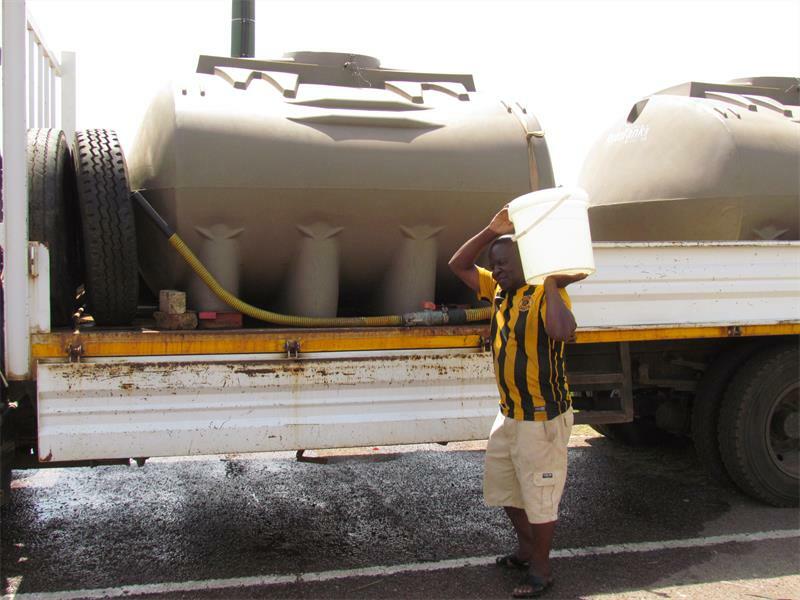
He said the metro had sent water tankers to the area as an interim solution, but this had problems of its own.
“We have to walk long distances to collect water from the tankers because they only deliver to Ikageng Hall, near the informal settlement.
“We are ratepayers so we don’t deserve to walk such long distances for water while the informal settlement residents, who are not paying for services, get water delivered to their doorsteps for free.”
Another resident, Dae Mahlangu, said life without water was very tough.
“Our taps run dry or there is low pressure from sunset around 05:00 until around 21:00,” said Mahlangu.
He said residents were mostly elderly, yet were forced to walk long distances to fetch water from tankers.
“We cannot continue to live like this. At least, the tankers should deliver to every street in Ikageng,” said Mahlangu.
“We pay for service delivery every month with our social grant money; yet, we get nothing in return.”
Another resident, Maria Mokhosana, said locals had also lost faith in the quality of the water delivered by tankers because some had reported bouts of diarrhoea after drinking it.
“The bucket I use to collect the water has turned green at the bottom,” she said, adding that she had no choice but to use the water to drink and cook.
She said some locals were now forced to buy water potable water.
Some residents have, however, found ways to turn the situation into an opportunity to profit.
Kopanong resident John Mabunda said when Kopanong, Lethabong, Mooiplaats, Pienaarspoort and other areas were without water for almost three weeks recently, some locals saw an opportunity.
He said tankers drivers stopped bringing water, claiming that the metro had not paid them in months.
“Then local bakkie and truck owners started collecting water from neighbouring areas to sell at R1 per litre.
“We are going on for the third week without water and soon people will be dying of thirst.”
Mabunda said water entrepreneurs are charging R20 per 20-litre bucket of water.
He said locals have vowed to protest should the metro fail to fix the situation.
Skierlik resident Lilian Lalombe (59) said tanker drivers went on a go-slow strike in February precipitating the current water crisis.
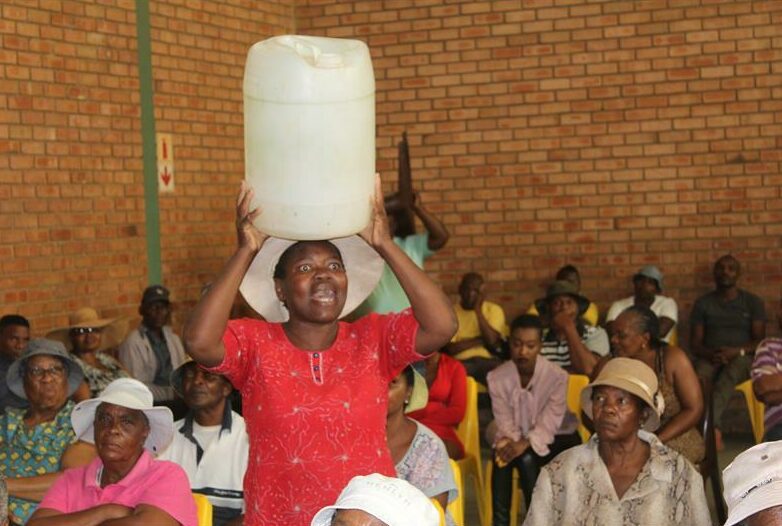
She said they used to fill up communal JoJo tanks in the area almost every day and then stopped.
“Every day is a struggle now. We are forced to buy water from people who have cars.
“Sometimes we buy water just to cook and take care of our families,” said Lalombe.
She said caring for her grandchild, who is fed formula milk, was near impossible without a regular supply of clean water.
Another resident, Maria Mokwetsi (59) said “we need to save and use the little water we have wisely”.
She said it was bad enough to buy water, which is supposed to be delivered for free.
“People are making money out of our desperation,” said Mokwetsi.
She said maintaining the hygiene of her four school-going children was “impossible”.
“There’s no water to bathe and wash their uniform every day.
“They wear dirty school clothes. I don’t know when next we will be getting water,” said Mokwetsi.
Record is still awaiting comment from the Tshwane metro.
Do you have more information about the story?
Please send us an email to editorial@rekord.co.za or phone us on 083 625 4114.
For free breaking and community news, visit Rekord’s websites: Rekord East
For more news and interesting articles, like Rekord on Facebook, follow us on Twitter or Instagram