Metro can approve budget by April 14 – GP Treasury
The implications of not tabling the adjustment budget are that Tshwane be unable to move funds to cover the shortfall in key service delivery areas.
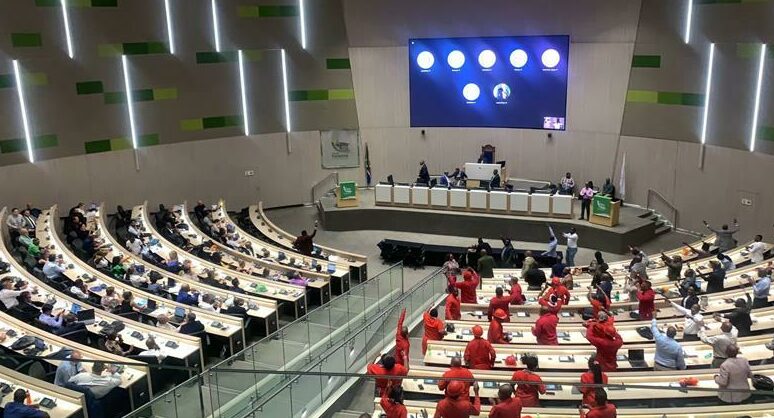
Tshwane has been granted an extension with strict directives that will have to see the city council table its mid-year adjustment budget by April 14.
One of the directives is that it implements revenue collection measures against defaulters with priority given to councillors and other metro officials.
As of March 16, the Tshwane debt spread was:
– Residential – over R10-billion
– Businesses – over R5.2-billion
– Inactive – over R1-billion
– Indigents – over R1-billion
– Government – over R974-million
– Sundries – over R888-million
– Inter-Departmental – over R29-million
– Employees – over R26-million
– Embassies – over R7.2-million
– Councillors – over R2.9-million
The total Tshwane debtor’s book stood at R20.8-billion.
The Gauteng treasury set the metro a strict deadline after it approved the metro’s application for another extension to table its mid-year adjustment budget as well as adjusted service delivery and budget implementation plan (SDBIP) to council.
Tshwane has welcomed this.
“Tshwane appreciates and welcomes the decision of the Gauteng treasury for granting an extension for the tabling of the SDBIP to April 14,” said metro spokesperson Selby Bokana.
Tshwane’s first extension was to March 24 which it failed to meet then asked for another.
Bokaba said the province has set strict timelines for the metro to implement revenue measures against defaulters whose accounts are in arrears and prioritise councillors as well as municipal officials who are in arrears, who owe the metro around R28.9-million collectively as of March 16.
He said the treasury had instructed Tshwane to table the mid-year adjustment budget and SDBIP for the current financial year, together with the 2023/2024 financial year budget.
This was all to be completed by April 14.
“For the metro to comply with the deadline set by the provincial treasury, it has to ensure that the mayor is urgently elected, and the mayoral committee (Mayco) is established so that the budget report can be tabled for council approval.
The implications of not tabling the adjustment budget are that the metro cannot move funds to cover the shortfall in key service delivery areas such as waste collection, watchmen and rudimentary services. Any expenditure incurred will be unauthorised.”
Bokaba said the metro remained confident that it would meet the new deadline.
In 2021, Tshwane’s burgeoning debtor’s book stood at R17-billion and had worsened to R20.8-billion as of March 16 due to the culture of non-payment.
The metro has blamed its inability to implement advanced technology to capacitate its collection effort of this high debt.
This debt has weighed heavily on metro finances, increasing the risk of disrupting the future supply of basic services.
Do you have more information about the story?
Please send us an email to editorial@rekord.co.za or phone us on 083 625 4114.
For free breaking and community news, visit Rekord’s websites: Rekord East
For more news and interesting articles, like Rekord on Facebook, follow us on Twitter or Instagram