Metro plans to deploy natural gas, electric buses to save cost
The metro’s Tshwane bus service requires about 244 000 litres or R4-million monthly to operate its 160 daily shifts, says its poor financial position has resulted in the inability to service commuters.
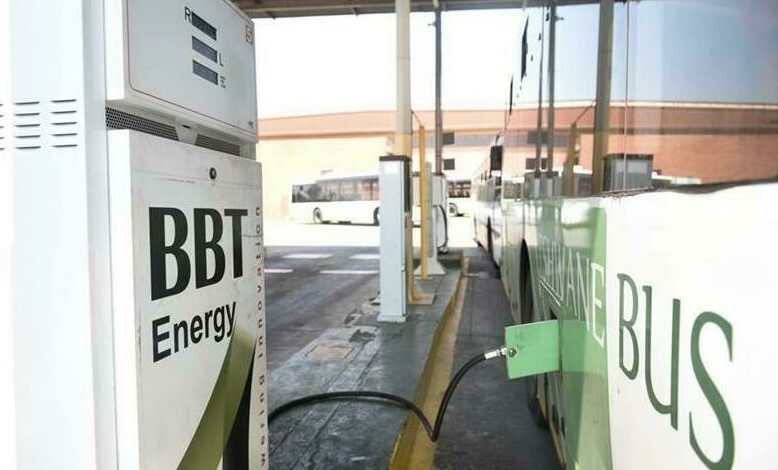
The Tshwane metro bus service (TBS) is looking into operating buses that run on electricity, compressed natural gas or hybrid technology instead of diesel.
Tshwane metro spokesperson Lindela Mashigo said the shift in thinking is a bid to mitigate fuel costs and fuel thieves, while giving the TBS the additional tools to cover the entire metro.
He said on average diesel cost the metro about R4-million a month, and this has become too burdensome.
Financial constraints and fuel theft have previously resulted in Tshwane running out of diesel.
– On April 6 the service could not run its entire fleet due to shortages of diesel
– In January, it had to temporarily suspend service due to fuel shortages
– In September 2022, more than 70 buses were grounded due to fuel shortages
– In July 2022, commuters complained that buses were overcrowded
– Earlier, labour strikes resulted in service stoppages
Senior executive at the metro’s road and transport department Joshua Montsi previously blamed TBS problems on a shortage of buses.
He said the metro needed an additional 500 buses to cover all of Tshwane’s seven regions.
On April 6, the service suspended operations, which later resumed after the metro said suppliers had delivered the fuel
Mashigo said the metro had for some time noticed that fuel was depleting quicker than anticipated, despite implementing measures to mitigate theft and misuse.
“We have noticed fuel depletion and reported the matter to metro police to investigate. The investigation is ongoing and one suspect has been arrested,” said Mashigo.
Mashigo said the TBS required 244 000 litres of fuel a month to run 160 daily shifts at an average cost of about R4-million.
He said the metro was still exploring new fleet management solutions.
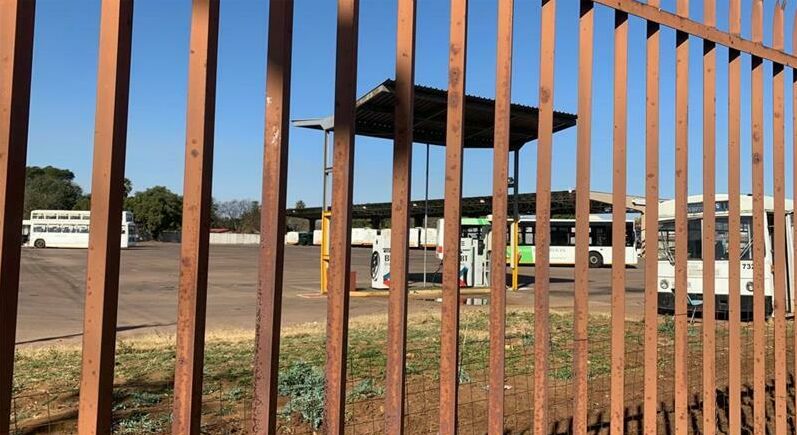
“The metro is looking into a real-time fuel monitoring system and exploring electric, compressed natural gas and hybrid buses.”
Mashigo however did not say how this additional infrastructure would be acquired.
Tshwane metro police spokesperson Superintendent Isaac Mahamba said his police were aware of diesel theft at the municipality and an employee had been arrested.
He said the employee was arrested at the C. de Wet bus depot following a few days of surveillance.
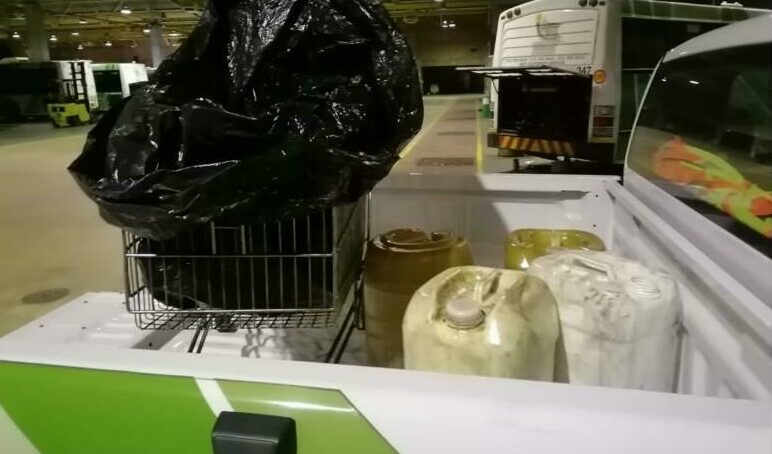
Mahamba said the man was observed siphoning diesel from buses in the depot workshop.
“When TMPD officers pounced on him, he was found in possession of about 100 litres of diesel.
“The metro would not be surprised if diesel theft was a contributing factor to the fuel shortage that the city has been experiencing. It is hoped that further police investigations will unearth more evidence and unmask those involved in the thieving,” he said.
He said the TMPD condemned the employee’s behaviour.
“The metro will not tolerate such acts of crime from any of its personnel, especially following the city’s recent fuel shortage that affected TBS operations.”
The TMPD has since warned those involved or planning to steal fuel from Tshwane to note that arrests, charges and prosecution would follow.
Do you have more information about the story?
Please send us an email to editorial@rekord.co.za or phone us on 083 625 4114.
For free breaking and community news, visit Rekord’s websites: Rekord East
For more news and interesting articles, like Rekord on Facebook, follow us on Twitter or Instagram