Living in a public library for 15 months
Last year's Mamelodi flood victims have been living in the Nellmapius library for more than a year now waiting for the Tshwane metro to move them to new accommodation.
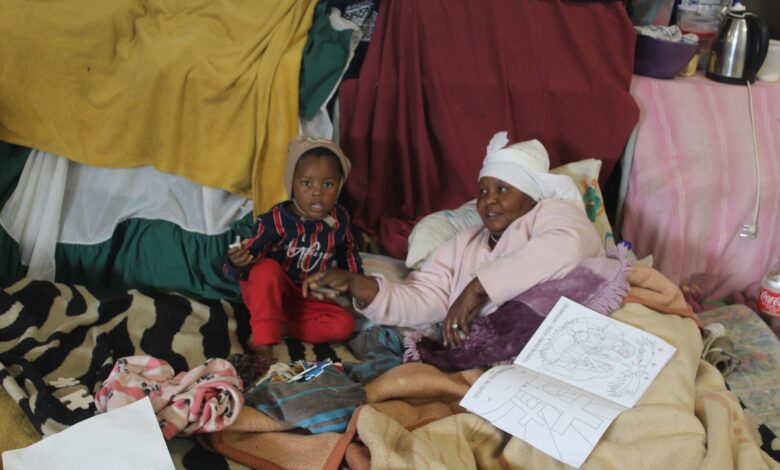
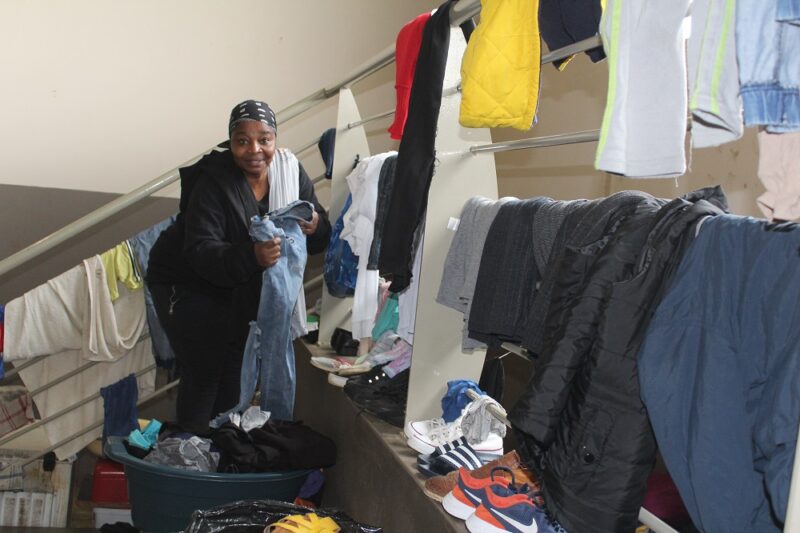
Fifteen months. That’s how long displaced Mamelodi flood victims say they have been living “temporarily” at the Nellmapius library while they wait to be moved to a safer place.
“Both the government and the Tshwane metro have completely forgotten about us,” Lydia Skosana (38), who is originally from the Youth View informal settlement, told Rekord.
“They only care about people living at informal settlements.”
In February last year, about 72 people from the Mountain View, Mavuso and Willow Farm informal settlements were moved to the library after their shacks were washed away when the river overflowed.
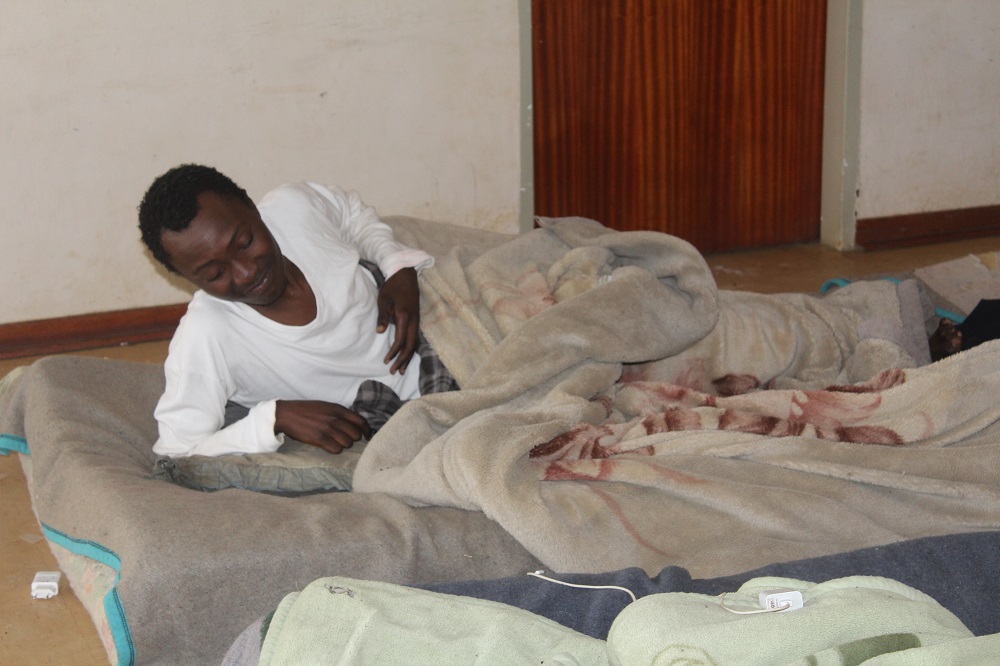
THE LIBRARY HAS BECOME THEIR PERMANENT HOME
According to them, the Tshwane metro at the time promised that they would be relocated to somewhere safe but has since then ignored them.
Today, it seems like the library has become their permanent home, according to Skosana.
“Nobody cares about us or updates us about the relocation process.
“There is no privacy at the library. We are forced to do almost everything here from bathing, cooking and doing laundry,” she said.
“We no longer want representatives. We talk for ourselves because we are the ones forced to live here under these appalling conditions.
“Our health is at risk; we are confined in a small space with small children who are sick coughing almost every day and, lately, the place is infested with rats.”
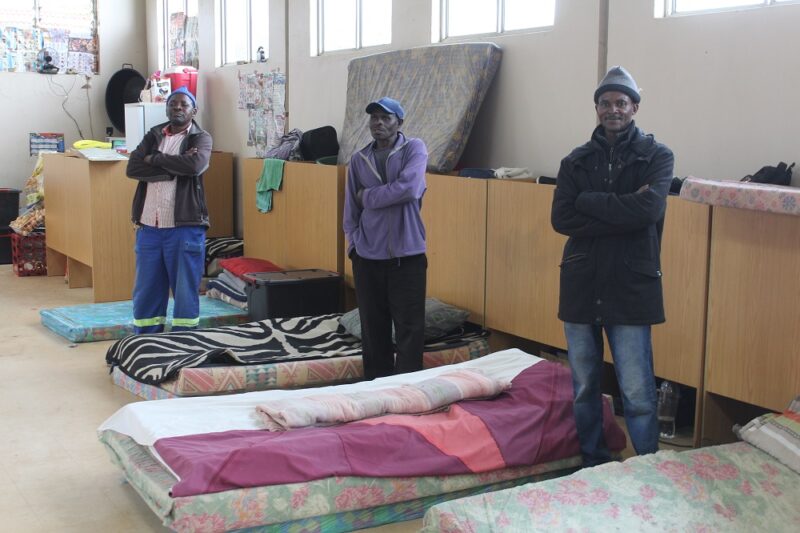
In the meantime, she said, winter has set in and “we are freezing at night”.
“We were told that the process of relocating us to a safer place process was underway,” said Samuel Simbini (66).
“We were given blankets and food while we waited for a couple of months.”
Simbini said it was “about time that Tshwane human settlements acted on their relocation process”.
“The sponges we were given after we were displaced is worn out and many people are complaining about body aches,” said Simbini.
“Some people got tired of waiting and decided to rebuild their old shacks on the flood line.”
He added that the flood victims were tired of empty promises and the alleged corruption that always delay their relocation process.
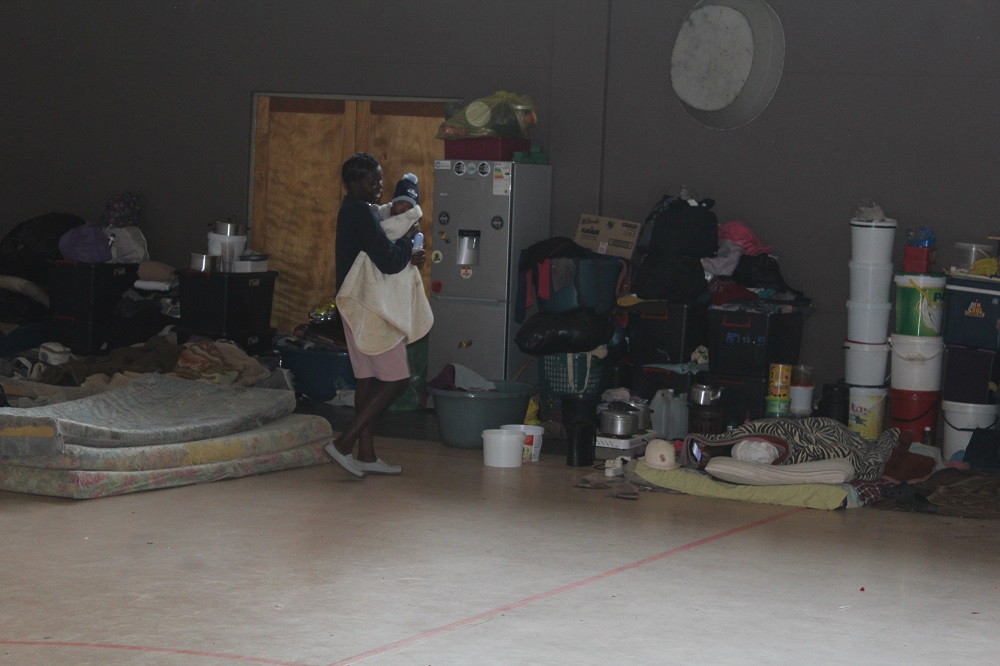
Olga Chauke, a mother of four children from the Mavuso informal settlement, said: “It’s been long”.
She pleaded with the government to relocate them to a safer place.
“Our children are getting sick almost every day. They won’t get well because almost everyone staying at the library is sick or has colds,” said Chauke.
Gauteng human settlements department spokesperson Tahir Sema said they were aware of the detailed relocation plans as well as the problems faced by the Tshwane metro.
He said the relocations by the City have already started and were ongoing as per initial community consultations.
“The department has been working with the metro by helping to fast-track this process by acquiring land initially. We will also assist the process with additional funding,” said Sema.
“We call upon the community to be patient as the metro tries to assist as many people affected by the floods as possible,” he added.
Some of the problems that caused delays in the relocation process included the availability of suitable land, financial constraints, rapid urbanisation, continued land invasion along flood lines in the city and “challenging” community consultations.
The province and the metro are currently finalising the funding and gazetting of additional funds for the metro to do further site clearances, relocations and procurement of rudimentary water, sanitation and waste management services.
This process will be concluded as soon as the business plan for informal settlements upgrading partnership grant (ISUPG) has been approved by the national Department of Human Settlements.
ALSO READ: Mams police in search of missing person (47)
Do you have more information about the story?
Please send us an email to editorial@rekord.co.za or phone us on 083 625 4114.
For free breaking and community news, visit Rekord’s websites: Rekord East
For more news and interesting articles, like Rekord on Facebook, follow us on Twitter or Instagram