Tuks performs first procedure of its sort in Africa
The veterinary academic hospital performed South Africa’s first transvenous electrical cardioversion on a horse recently.
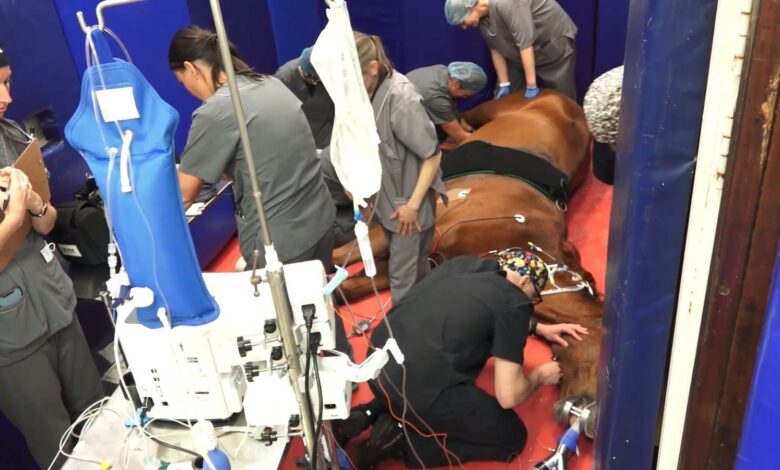
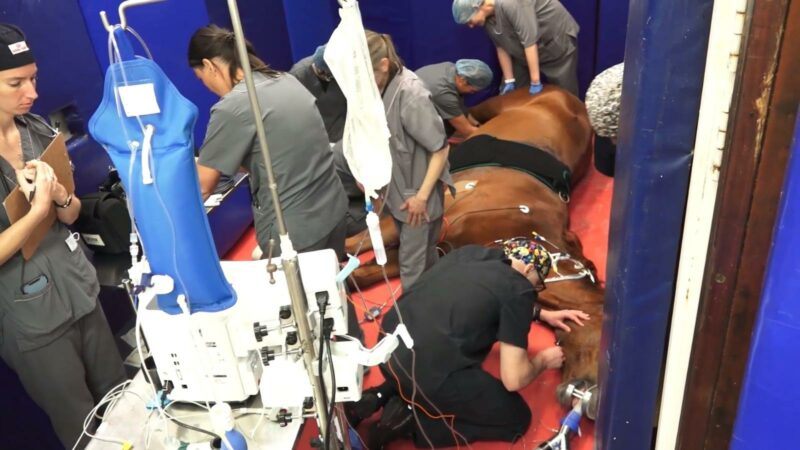
The University of Pretoria and Onderstepoort veterinary academic hospital performed South Africa’s first transvenous electrical cardioversion (TVEC) on a horse recently.
TVEC is a new and advanced treatment for horses with atrial fibrillation.
“It is believed this is the first time the procedure is performed in Africa,” according to UP senior lecturer and internal medicine cardiology specialist for horses Dr Christina Eberhardt.
Eberhardt said the first patient with atrial fibrillation that underwent TVEC was Skye, a 17-year-old Warmblood horse.
“Atrial fibrillation, causes poor performance and is often diagnosed by veterinarians in racehorses, and is the most common arrhythmia in horses.
“Horses can live with atrial fibrillation, but the disease can create risk for both rider and horse,” Eberhardt added.
Eberhardt said traditionally, atrial fibrillation was treated with quinidine sulphate, an anti-arrhythmic drug that can restore a normal heartbeat.
However, the drug has several side effects and is not suitable for all horses with atrial fibrillation.
The department of equine medicine at the UP veterinary science faculty led a team that performed the procedure on Skye.
ELECTRIC SHOCKS USED TO RESTORE REGULAR HEART RHYTHM
During the procedure, synchronised electric shocks were delivered directly to the heart to restore a normal, regular rhythm.
The team inserted a special 1,8m long catheter with electrodes through the horse’s right veins, into the heart.
“The most difficult part of the procedure was the correct placement of the catheters within the heart, the team used blood pressure measurement, ultrasound and radiography to guide the catheters.
This part of the procedure was performed on a standing but sedated horse.
Once the correct placement of the catheters was confirmed, general anaesthesia was induced so that a timed electric shock would be delivered directly to the heart which shocks the heart back into normal rhythm,” said Eberhardt.
Dr Eberhardt said Skye was successfully treated and had no complications. He is doing well after the procedure and can now return to full exercise.
“To date, this procedure is only performed by a small number of equine specialists in the world and I am excited to be able now to offer this service in South Africa,” Eberhardt.
ALSO READ: GP health opens clinics for marginalised groups
Do you have more information about the story?
Please send us an email to editorial@rekord.co.za or phone us on 083 625 4114.
For free breaking and community news, visit Rekord’s websites: Rekord East
For more news and interesting articles, like Rekord on Facebook, follow us on Twitter or Instagram