Significance of women’s triumph and unfinished fight for safety
While South African women are now visible and their voices amplified, they are still fighting an unending battle for safety and survival.

Almost 70 years since the Women’s March in Pretoria, South African women stand as a testament to remarkable progress and deep-rooted challenges in their lives.
In 1956, thousands of women peacefully marched to the Union Buildings with demands that the then government remove the pass laws and provide equal rights to women.
Activists such as Lillian Ngoyi, Helen Joseph, Rahima Moosa, Frances Baard and Sophia Williams-De Bruyn stood at the forefront of the fight against pass laws and for women’s rights.
The unity and resilience that were expressed by over 20 000 women yielded the rights to equality and left a lasting legacy for the future of women.
Today, women have proven to be the pillars of the country and have been empowered more than ever, with many actively participating in fields that were dominated by men back then, including politics, running of businesses and being leaders of big industries.
Rekord spoke to Pretoria women about how they felt about inheriting and continuing the legacy that was left by the women who fought for today’s rights.
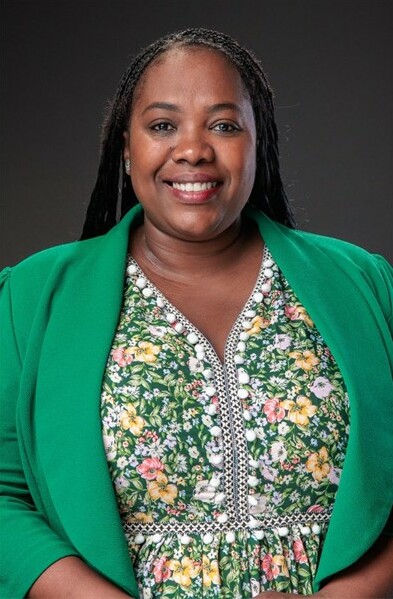
Kholofelo Morodi, a seasoned politician on Pretoria’s mayoral council, reflected on her journey of being involved in South African politics as a woman.
“I envision a politics where women are not the exception, but the norm. Where leadership is measured by integrity, not gender,” she asserted.
She said she hopes to create an environment where young girls grow up seeing women lead with strength and strategy.
“They should know that power is not something to fear, but something to wield with purpose,” she said.
She believes that attitudes towards women in politics have progressed, saying, “We’ve shattered ceilings, but the floor beneath us is still uneven. More women are visible in leadership and more voices are amplified.”
She said, however, structural inclusion remains elusive, with paternalism still persistent.
“Women are often expected to lead with softness, never with strength. We’re praised for our resilience but punished for our ambition,” she said, adding that the system still struggles to accept women as architects of power, not just caretakers of it.
Morodi shared the challenges that women face in politics.
She said some of these include gatekeeping disguised as tradition and a lack of accountability for gender equity.
“The challenge wasn’t just being underestimated, it was being invisible. Rooms where decisions were made often treated women as symbolic, not strategic,” she said.
She highlighted that she asserted her voice to not just be heard, but respected.
“I did so without compromising my dignity, my values or my collaborative spirit,” she emphasised.
Morodi further advised aspiring female leaders to know their worth before someone else tries to define it for them. “Never wait for permission to lead because the world changes when women stop asking and start acting.”
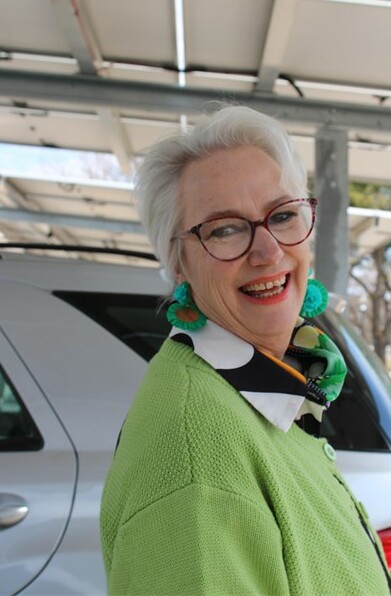
Agricultural businesswoman Laurika du Bois shared the same sentiments in the struggles that women face in fields traditionally dominated by men.
She highlighted that denied resources were persistent barriers to the progress of women.
“Many structures in the sector were not designed with women in mind, from physical infrastructure to policy frameworks and that creates a gap not only in access but also in influence,” she said.
She also shared that one of the biggest challenges women have to overcome while establishing businesses is assumptions and stereotypes in big sectors like agriculture.
“Whether it was being taken seriously in boardrooms or at farm gates, I had to constantly prove that knowledge, leadership, and passion are not gendered,” she said.
Du Bois emphasised the importance of women supporting each other, highlighting that there is undeniable progress in women’s empowerment.
“More women are entering big sectors, owning farms, leading co-operatives, and sitting at decision-making tables,” she said, adding that women are moving in the right direction.
She said, however, progress must not only be about presence, but also power and influence.
“Breaking barriers is easier when you’re not doing it alone. Women understand the challenges each other face, and through shared experience and collective strength, we become a force that lifts everyone,” she said.
While women’s voices have been amplified, the pervasive pandemic of gender-based violence (GBV) continues to haunt the nation.
“A Human Sciences Research Council study in November 2024 found that 36% or 7.8 million women had been sexually abused or physically abused during their lifetime.”
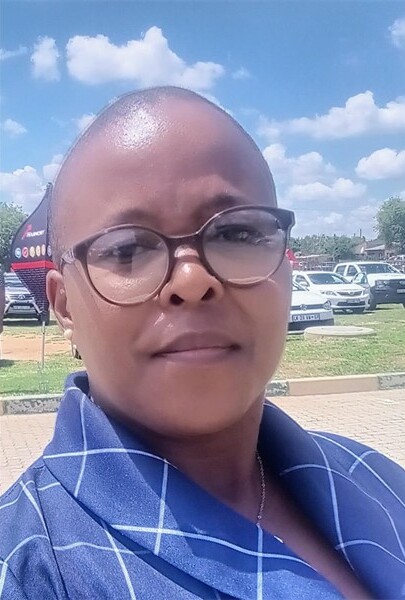
This is according to social service practitioner and GBV life coach of the 1 000 Women organisation, Cynthia Khumalo.
Khumalo said the trauma that comes with GBV is often multidimensional and long-lasting.
“Abuse causes severe trauma to women, it can overburden them and lead to depression, anxiety and long-term psychological trauma which challenges their ability to do their work with excellence,” she said.
She raised concerns regarding wrong societal attitudes that contribute to the perpetuation of GBV.
“Most communities encourage women not to open cases against abusive men for reasons like losing economic support if the man is behind bars,” she said.
She added that this attitude leads to many men believing that women belong to them.
“Society needs to understand that women are men’s equals with a God-given purpose,” she said.
She added that the slow processing of cases against GBV perpetrators by police is one of the factors that enable abuse.
“The police and the National Prosecuting Authority need to be an effective deterrent against sexual violence by quickly processing cases and putting offenders behind bars.
“They fail dismally in their task and thereby, they are complicit in the continuation of sexual offences in the country,” she said.
Khumalo added that community members also need to support victims and survivors of GBV by reporting offenders to the police and referring victims to women-led organisations spearheading the battle against GBV.
She concluded by urging all men to change their hearts and minds. “If they accept women as their equal and select to relate to women with respect, kindness and non-violence, there will be a dramatic decrease in sexual and physical violence in South Africa.”
Do you have more information about the story?
Please send us an email to bennittb@rekord.co.za or phone us on 083 625 4114.
For free breaking and community news, visit Rekord’s websites: Rekord East
For more news and interesting articles, like Rekord on Facebook, follow us on Twitter or Instagram or TikTok.