Calls for Akasia police station to be relocated to restore safety
The land acquisition process for the station’s new site is set to be completed by December 1, followed by a partial relocation of services.
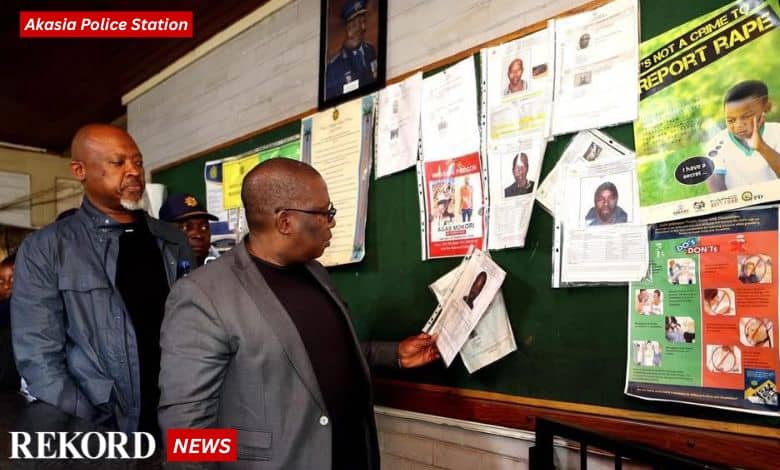
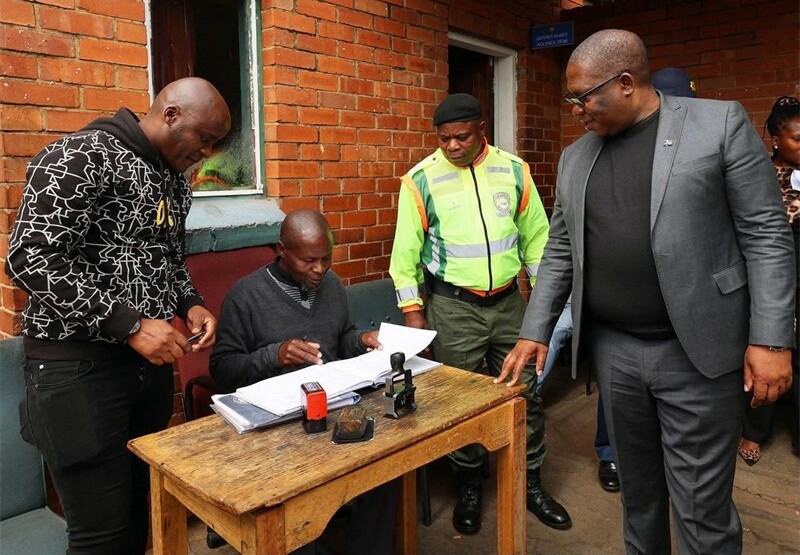
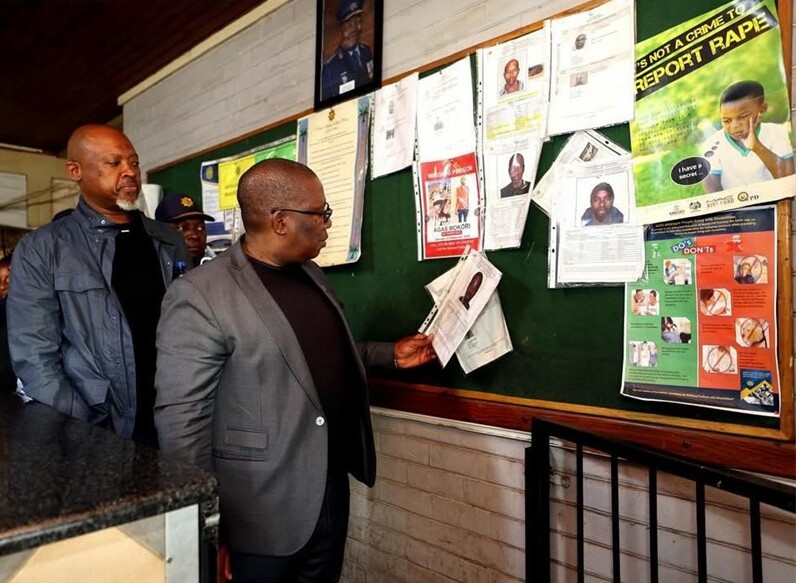
The long-neglected state of Akasia Police Station has reached a tipping point, forcing Gauteng Premier Panyaza Lesufi and provincial leaders to urgently intervene with plans to relocate the station to a new site.
For years, residents and opposition parties have raised concerns about the facility’s inability to provide effective policing.
The station, which is meant to serve over 150 square kilometres of the north of Pretoria, has been plagued by structural decay, inadequate space, and the absence of holding cells, with suspects processed in boardrooms instead of proper detention facilities.
Following a surprise oversight visit last week that laid bare shocking conditions, Lesufi has convened urgent talks with key stakeholders to finalise an alternative site for the station.
Akasia has become one of Gauteng’s most notorious crime hotspots, facing high levels of contact crimes, robberies, hijackings, and property-related offences.
Yet the police station tasked with protecting the community has been operating from a leased building owned by the metro that is neither suitable nor secure.
Residents have long complained that the environment at the station undermines service delivery. Some have opted to seek help from neighbouring stations, saying Akasia cannot meet their needs.
Lesufi, visibly frustrated during his follow-up briefing on October 1, said it was unacceptable for a priority police station to function under such conditions.
“Deliberations focused on the urgent need to address infrastructure and operational challenges faced by the station.
“I am happy that we have found an alternative site which will enable us to serve our people better,” he said.
He directed that the land acquisition process for the new site must be completed by December 1, followed by a partial relocation of services.
Lesufi mentioned that regular updates will be overseen by Gauteng Department of Community Safety HOD, Roche Mogorosi.
The crisis at Akasia has become symbolic of the broader struggles within Gauteng policing.
Despite being one of 52 priority stations, it has been constrained by infrastructure failures that have weakened the fight against crime.
Officers lack proper facilities, morale is low, and the risks of processing suspects in administrative areas have raised red flags about both safety and human rights.
The station is also under-resourced in terms of vehicles, operating with just 13 instead of the 24 required, with one patrol car routinely used as a transport vehicle for suspects.
According to Lesufi, the relocation is not only about bricks and mortar but about restoring confidence in the state’s ability to provide security.
“The aim is to develop practical, sustainable solutions to strengthen service delivery and ensure that Akasia SAPS operates at its full capacity in serving the community,” he said.
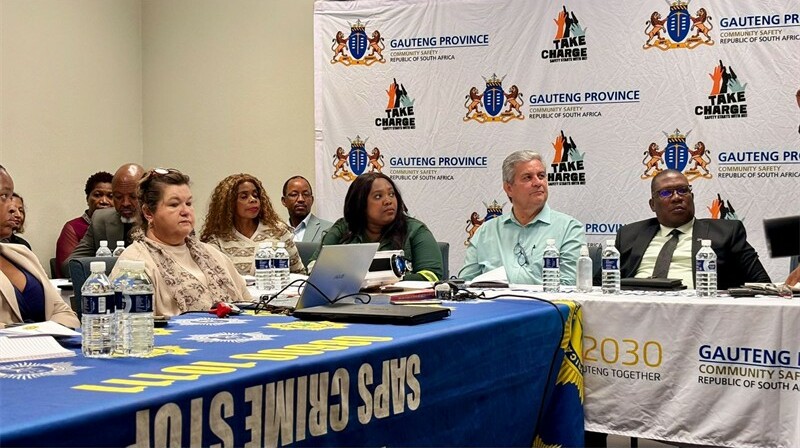
This follows the Akasia Police Station buckling under the dual weight of a rising crime rate and a crumbling infrastructure, leaving both residents and officers in an increasingly precarious position.
The Akasia station is currently managed at a brigadier level and has 242 staff members squeezed into an old, dilapidated building.
Without a victim empowerment centre or proper storage facilities, basic services are compromised.
The dire situation came into the spotlight after an oversight inspection by the DA earlier this month, followed by an unannounced visit by Gauteng Premier Panyaza Lesufi on September 26.
Both visits painted a grim picture of a police station unable to fulfil its mandate in a community struggling with high rates of contact crimes, robberies, car hijackings, and property-related offences.
Perhaps the most shocking revelation is that the Akasia station has no holding cells.
Suspects are often processed and temporarily held in administrative areas, including the boardroom, while waiting to be transferred to other police stations.
For residents, however, the situation feels like abandonment.
Resident Gomolemo Chipane said he no longer trusts the Akasia Police Station to provide effective services.
“The service at the station is bad, and the facility looks outdated. I no longer go to the Akasia police station; I prefer the one in Pretoria North because I know I will get the help I want immediately.
“This one, everything there is prolonged. People queue to certify copies outside the building, and that alone is concerning.”
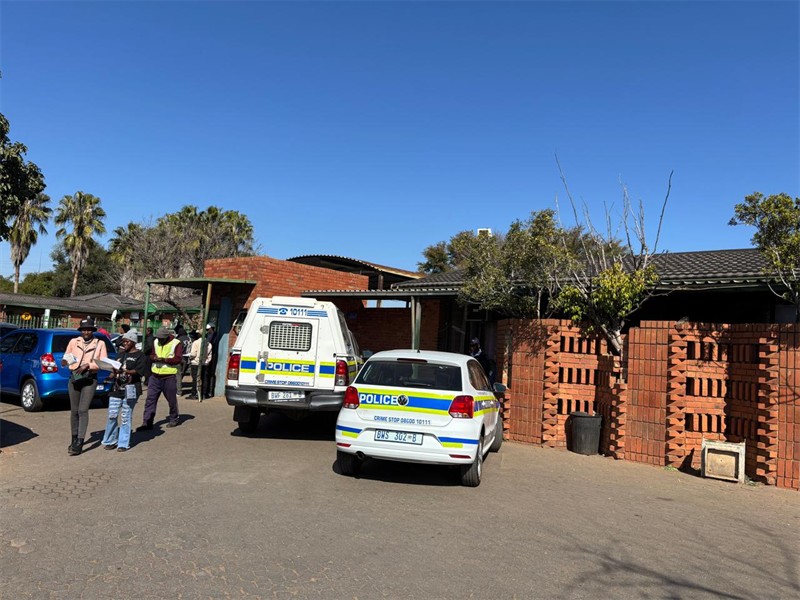
Caption: The Akasia Police Station. Photo: Trott Chaane.
Description: Two police cars in front of a building with people walking on the side and a blue car visible.
Provincial SAPS spokesperson Colonel Dimakatso Nevhuhulwi previously acknowledged the seriousness of the matter but insisted that measures are being taken.
“The management of SAPS in Gauteng is aware of the situation and has escalated the matter to SAPS National Head Office.
“National Division Supply Chain Management has intervention measures in addressing infrastructure gaps as one of the identified priorities in the SAPS five-year strategic plan,” she said.
Nevhuhulwi explained that suspects arrested at stations without holding cells are temporarily accommodated at neighbouring police stations to prevent overcrowding and ensure service delivery is not hampered.
ALSO READ: City evicts 300 people after illegal Marabastad structures dismantled
Do you have more information about the story?
Please send us an email to bennittb@rekord.co.za or phone us on 083 625 4114.
For free breaking and community news, visit Rekord’s websites: Rekord East
For more news and interesting articles, like Rekord on Facebook, follow us on Twitter or Instagram or TikTok.