Month-long sewage nightmare hits Soshanguve Block M
A sewer blockage left residents surrounded by raw waste for over a month, raising health and safety fears. According to the metro, the reason for the delay was that the team could not locate the address.
Residents of Soshanguve Block M in Ward 34 have said the Tshwane metro has abandoned them, after a sewer blockage reported in August was left unresolved for more than a month, forcing families to live surrounded by raw human waste.
The complaint was only attended to on September 29, according to metro spokesperson, Lindela Mashigo.
In that time, residents’ health and safety were at risk while they waited for the municipality to act.
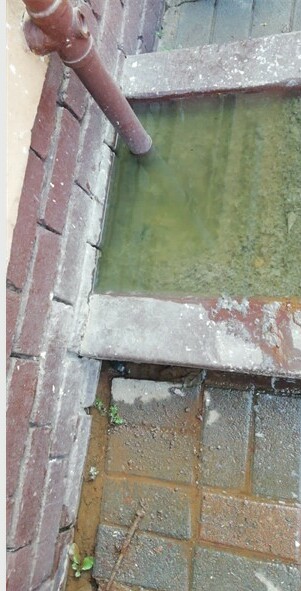
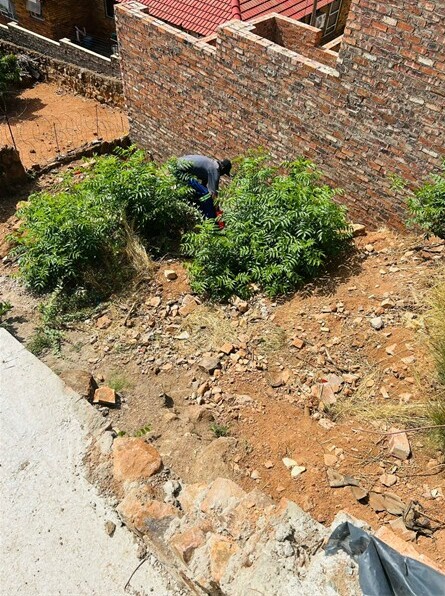
Community members told Rekord that the situation became unbearable as overflowing sewage water seeped into their yards, carrying human faeces and used toilet paper.
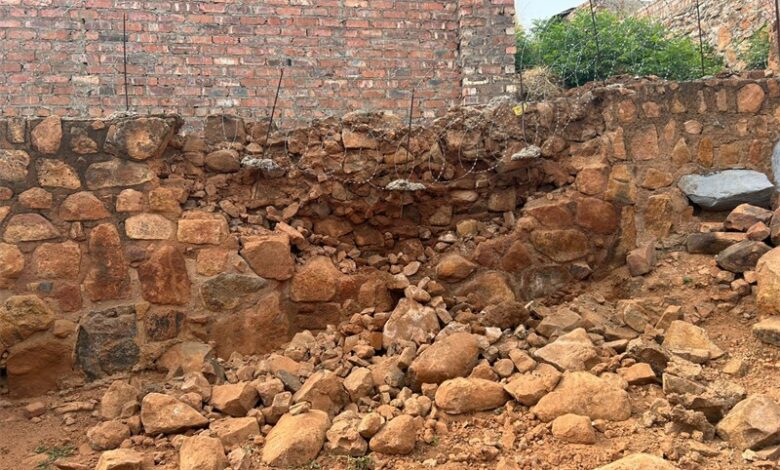
The foul smell spread across the neighbourhood, and one household reported that a wall on their property had cracked due to the constant leakage.
“It was like we were not human beings in the eyes of the metro. We reported, we followed up, but nothing happened. For more than a month, we had to live with sewage floating outside our homes.
“The stench was so bad we couldn’t even eat in peace,” said one frustrated resident, Mpho Malinga.
MelodiForum Afrika-Borwa, a civic organisation in the area, took up the matter on behalf of the residents, calling it a serious health hazard.
Lehlohonolo Malema, chairperson of the Soshanguve Zone branch said, “We were informed by the complainant that a wall cracked and is on the verge of collapse.
“It’s a health hazard for residents to be living in a place infested with floating human faeces, used toilet paper and reeking of a foul smell.”
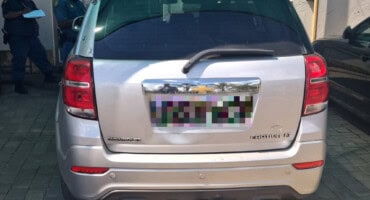
Tshwane acknowledged the delay, but attributed it to difficulties in locating the complainant.
“There were delays in resolving the above-mentioned blockage as the team struggled to locate the address and getting hold of the complainant. Eventually, the complainant was located and the blockage was cleared on September 29,” said Mashigo.
He added that the first team dispatched to the scene mistakenly closed the service request as a false alarm because they could not locate the address.
The municipality confirmed that its standard turnaround time for attending to sewer blockages is 24 hours, but admitted this case had exceeded that timeframe.
When asked if the metro was aware of the dangers residents faced while living among exposed human waste, Mashigo said Tshwane had a department dedicated to safeguarding the public from sewer spillages.
“Yes, hence there is a dedicated department which is responsible for wastewater collection to safeguard the environment and human beings against sewer spillages,” he said.
On the question of what emergency measures could be implemented to protect residents from waterborne diseases and foul odours in cases where service delays occur, Mashigo pointed back to the reporting process.
“Timeous reporting of sewer spillages and the provision of accurate information assists the metro to respond timeously. The metro continues to attend to sewer blockages on a daily basis,” he said.
While residents insist that the sewage caused damage to a boundary wall on one property, the metro pointed out that there is no evidence to support this claim.
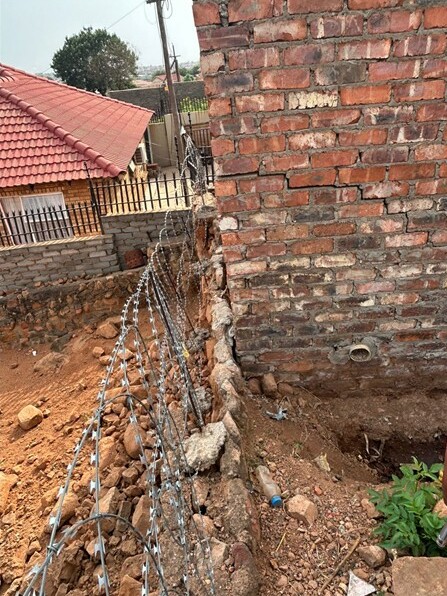
The damaged wall due to the sewer leak in Block M.
“There is no clear evidence to indicate that the wall was damaged by the sewer spillage.
The metro will assess the alleged damage and evaluate if the repairs can be conducted in-house,” Mashigo said.
The incident has reignited frustrations in Soshanguve, where residents have mentioned that sewer blockages, water leaks and electricity outages are repeatedly left unresolved for weeks or months at a time.
“This is not the first time and it won’t be the last. Every time we report a problem, we wait weeks. Service delivery here is broken,” said Malinga.
Mashigo said the municipality is working to strengthen its capacity to improve turnaround times and prevent similar delays in the future.
“The metro is currently capacitating the staff complement to improve the turnaround times of reported service requests, and the available technical teams are embarking on repairs on key areas along critical elements of the infrastructure to prevent future spillages,” he said.
Despite the metro’s assurances, residents said trust has been eroded.
“We are tired of being told to report things over and over again. We do our part, but the metro fails us. Nobody should live surrounded by sewage. It’s about dignity and respect for people’s lives,” said Malinga.
Do you have more information about the story?
Please send us an email to bennittb@rekord.co.za or phone us on 083 625 4114.
For free breaking and community news, visit Rekord’s websites: Rekord East
For more news and interesting articles, like Rekord on Facebook, follow us on Twitter or Instagram or TikTok.