Umalusi confirms matric exam readiness
Over one million candidates have been registered for this year’s matric exams. However, online schools remain unaccredited due to lacking regulations. Umalusi CEO Dr Mafu Rakometsi highlights exam integrity concerns, condemning ghost writing and unethical school practices, and urges communities to protect education during protests.
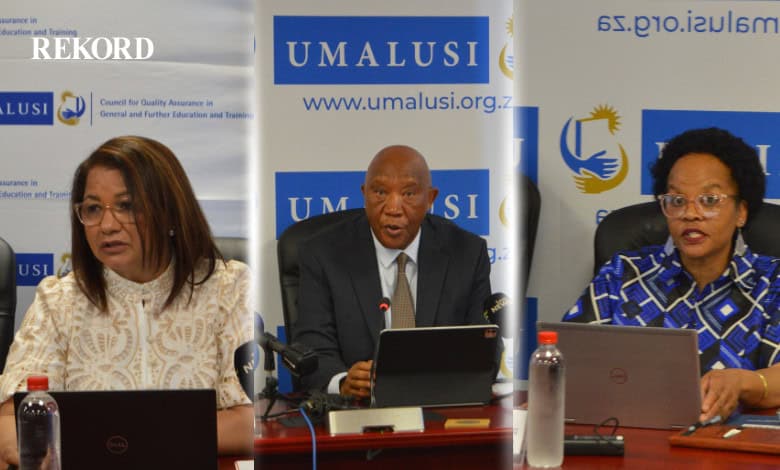
Based on an audit report presented to management, matric exam assessment organisation Umalusi is confident that, by and large, the education system is ready to administer the end-of-year national matric exams.
Umalusi is the council for quality assurance in general and further education and training, which annually audits and monitors various factors of the national matric exams.
“While challenges still exist in our examination landscape, we are confident that the structures and systems in place provide a strong foundation for credible and fair assessments. The integrity of our qualifications remains paramount,” says Dr Eva Sujee, executive manager of quality assurance and monitoring at Umalusi.
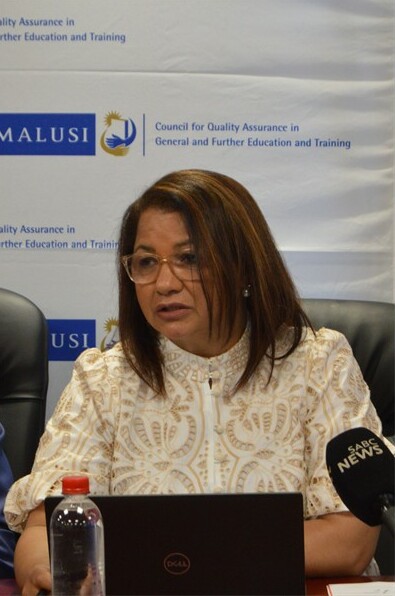
On October 15, the organisation applauded the efforts of the Department of Basic Education, provincial education departments and all other role players for doing everything humanly possible to uphold the credibility and integrity of the exams.
Umalusi CEO Dr Mafu Rakometsi says while the report flagged areas of concern, the issues are not systemic in nature and will not compromise the overall credibility and integrity of the November exams.
All the concerns have been brought to the attention of the relevant heads of provincial education departments, as well as other role players.
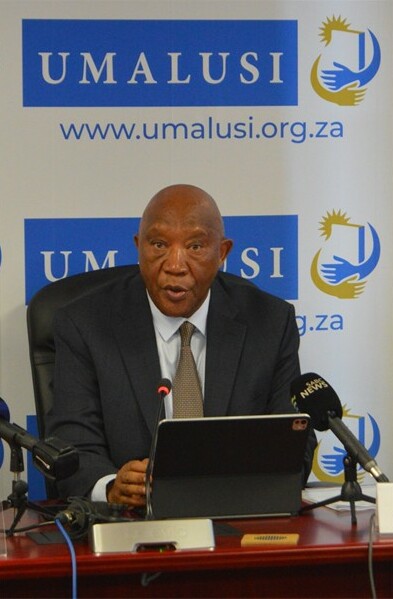
Umalusi management has confirmed that successful candidates will receive their certificates within three months after the approval of the results’ release by the organisation’s executive committee, provided certification data is submitted on time by assessment bodies.
However, despite this encouraging progress in exam readiness, the organisation has reiterated its stance on the non-accreditation of online schools. This remains a critical and unresolved issue in the education sector.
“We have previously indicated that Umalusi does not yet accredit online schools,” says Rakometsi. “The reason is that there is currently no regulatory framework for online education. The Department of Basic Education has been working on interim measures for the purpose of regulating online schools.”
Rakometsi adds that there are still unresolved questions around critical components of the online schooling model, particularly when it comes to exams and record-keeping.
He also cautions against ignoring the broader implications of online education.
“To me, it is also important that the social aspect of the development of learners not be forgotten. It is a very complex space of education to navigate. It is not that Umalusi does not have the appetite to navigate this minefield, but we do have non-negotiables on this, of which one is that the National Certificate exams must be written physically.”
This insistence on physical examinations highlights Umalusi’s commitment to maintaining the credibility and integrity of the qualification system.
With over one million candidates expected to sit for this year’s end-of-year national examinations, vigilance is more crucial than ever.
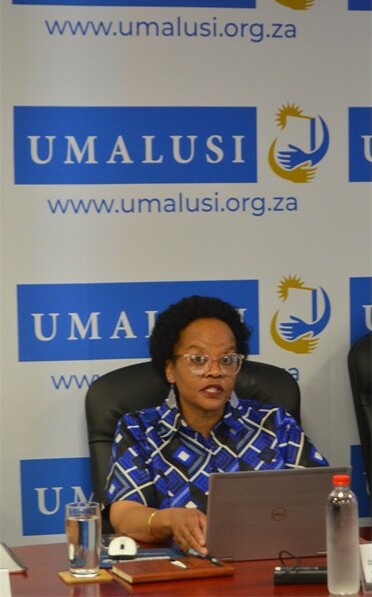
Caption: Umalusi senior manager: Quality Assurance of Assessment: post School Qualifications dr Mary Antoinette Dliwayo
Description: Female with blue dress.
According to Dr Mary Antoinette Dliwayo, senior manager: Quality Assurance of Assessment at Umalusi, the audit process for exam readiness was conducted between August 11 and October 9 across all nine provincial education departments.
“The overall goal of the audit process has been to determine whether the measures put in place by each of the four assessment bodies are adequate to ensure the credibility and reliability of the assessment outcomes,” she explains.
The final registration data received from assessment bodies indicates that over one million candidates are registered across the four assessment bodies.
All National Senior Certificate candidates have already received their exam admission letters.
These exams will be conducted at about 9 400 centres across the country.
Umalusi has completed audits of these centres, as well as the storage points for exam materials, including answer scripts.
While the details of the security protocols remain classified, the organisation has expressed satisfaction with the plans in place to protect the integrity of the entire exam value chain.
Rakometsi acknowledged that mistakes, such as the distribution of the wrong exam papers, have occurred.
“There are many challenges around the process, of which the rewriting for various reasons, like the wrong paper being given to students, was but one,” he says.
“But we believe that through close monitoring and feedback to the departments responsible, it will improve. We are saying to education bodies and schools: Strengthen your processes. And the good news is we are observing steady improvement.”
He explains that exam centres are assessed and ranked according to risk: low, medium, or high.
“With low risk, there is the potential that something might go wrong. Medium-risk centres are marked as such where there have been incidents, and high-risk centres are the repeat offenders. In these centres, outside monitoring will be a way to mitigate the risk,” he said.
Rakometsi is especially outspoken about schools that manipulate exam outcomes to protect their reputation. He warns against the practice of advising learners to skip exams if their marks are not high enough.
“This is criminal, and it is the duty of parents and learners to report this, should this be the case. It should not be done at the expense of learners.”
He also condemns the act of ghost writing, where someone else writes an exam on behalf of a candidate.
“Enough measures are in place to catch out the ghost writers,” he assures.
In light of past incidents where community protests disrupted exam venues, the organisation is also calling on the public to act responsibly during this critical period.
It has strongly discouraged communities from using the exams as leverage in protest actions, adding that it is everyone’s duty to safeguard the education of South Africa’s youth.
Do you have more information about the story?
Please send us an email to bennittb@rekord.co.za or phone us on 083 625 4114.
For free breaking and community news, visit Rekord’s websites: Rekord East
For more news and interesting articles, like Rekord on Facebook, follow us on Twitter or Instagram or TikTok.