OUTA warns motorists of rising ‘ghost fine’ scams ahead of AARTO rollout
As the national rollout of the AARTO system approaches, motorists are being warned to stay vigilant against a growing wave of fake traffic fine scams exploiting public confusion.
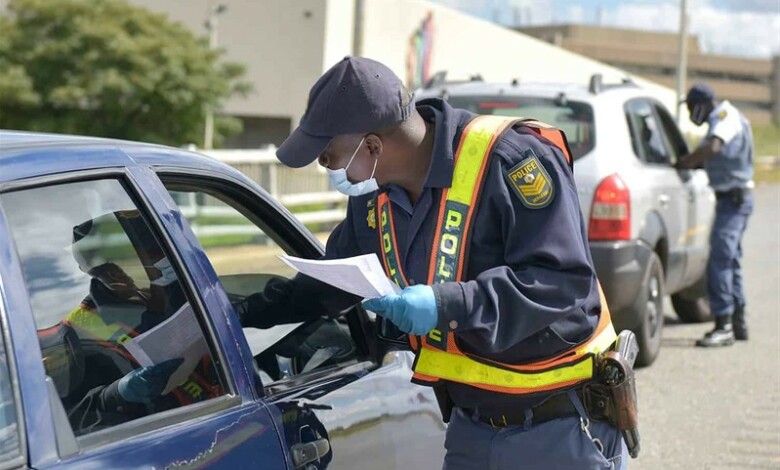
As the Administrative Adjudication of Road Traffic Offences (AARTO) Act is set for implementation on December 1, concerns are mounting over a surge in fraudulent traffic fine notifications, commonly known as ‘ghost fines’.
These scams mimic legitimate traffic fine alerts often sent via SMS or email and redirect unsuspecting motorists to cloned payment websites, resulting in financial loss and widespread confusion.
According to Fines SA, the scammers are capitalising on uncertainty surrounding the new AARTO process, which will initially launch across 69 major metros before expanding nationally in 2026.
Pretoria resident Dylan Moss said he received what appeared to be a fine from the Johannesburg Metropolitan Police Department (JMPD), despite having no connection to the alleged offence.
“It came up about two months ago,” Moss recalled.
“The email said it was from JMPD, but it was for a car I’ve never owned caught speeding in Sandton during peak hour.”
He said the second email even had a photo of the car, which confirmed it wasn’t his.
“I was at work in Pretoria at that exact time,” said Moss.
Organisation Undoing Tax Abuse (OUTA) chief executive Wayne Duvenage confirmed that complaints of this nature have started reaching the organisation.
“We are beginning to get complaints about ghost fines and need to engage with the Road Traffic Infringement Agency (RTIA) on these issues,” Duvenage said.
“More concerning is that RTIA is loading old fines that did not follow due process, which should have been removed from motorists’ records.”
He said this creates stress and anxiety for drivers who suddenly find themselves blocked at roadblocks or during licence renewals.
According to Duvenage, this is tantamount to an extortionist approach.
Duvenage warned that the digital rollout of AARTO could heighten public vulnerability to scams if not managed properly.
“When administrative processes are cumbersome and contain significant challenges, they open the door to unfair treatment,” he said.
“Authorities are not dealing robustly with cloned number plates, which often leads to unresolved disputes and growing frustration for motorists.”
He advised motorists to scrutinise all traffic fine notifications carefully before paying.
“If the vehicle shown in the photo is not yours, or if you can prove you weren’t in the area where the infringement allegedly occurred, contact the issuing authority and request that the fine be cancelled,” Duvenage said.
He also criticised government communication around the AARTO rollout, saying motorists remain largely unprepared.
Duvenage said, “There are still too many unanswered questions about dispute resolution, administrative processes, and unlawfully processed fines that remain on motorists’ profiles long after they should have been cleared.”
He urged the RTIA to act swiftly against fraudulent activity before the new system goes live.
“They need to investigate all complaints of illegally or fraudulently issued traffic fines,” he said.
“An anti-fraud task team should be appointed to trace how these scams occur and collaborate with the public to stop them. If they don’t, the entire scheme risks failure due to illegitimacy and administrative burdens.”
Motorists are encouraged to verify fines directly with official channels such as www.aarto.gov.za, the RTIA call centre, or by visiting a municipal traffic department before making any payments online.
Do you have more information about the story?
Please send us an email to bennittb@rekord.co.za or phone us on 083 625 4114.
For free breaking and community news, visit Rekord’s websites: Rekord East
For more news and interesting articles, like Rekord on Facebook, follow us on Twitter or Instagram or TikTok.