Local Fashion Police movement revives pride in South African craftsmanship
Through workshops and roadshows, Proudly SA is inspiring designers and consumers to back local brands and preserve jobs in the fading clothing sector.

The South African fashion industry has always been rich with resilience. Yet, in the past decade, it has faced one of its toughest battles: the mass import of cheap, fast-fashion items from global e-commerce retailers.
These platforms, while offering convenience and affordability, have quietly eroded the foundations of the local textile and clothing industries.
Against this backdrop, the NPO Proudly South African (Proudly SA) is taking a bold stand, reigniting pride in homegrown fashion and pushing forward a campaign that educates consumers.
Through its flagship initiative, the Local Fashion Police (LFP), the organisation is not only raising awareness about the power of buying local but also stimulating revival in the country’s fashion sector.
To mark the fifth anniversary of this ground-breaking LFP project, Proudly SA has announced a travelling roadshow and masterclass series with events lined up in Pretoria, Durban, and Cape Town aimed at inspiring fashion students, industry players, and the public.
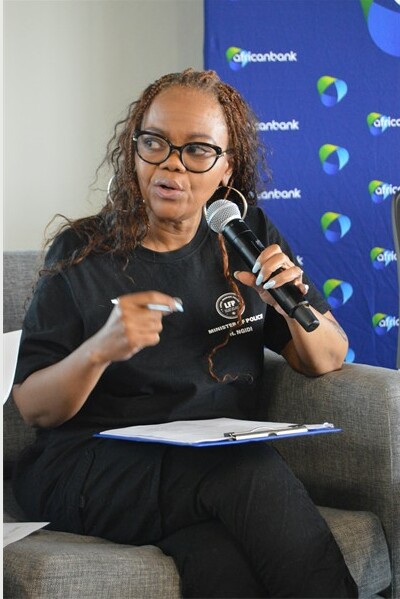
The Local Fashion Police Masterclass in Pretoria was hosted at Stadio University in Centurion on October 24.
The event brought together fashion mentors, industry experts, and emerging designers for a day of insight and inspiration.
“The e-commerce clothing lines were an onslaught on our local industry from the beginning,” said Happy MaKhumalo Ngidi, chief marketing officer of Proudly SA. “Our promotion started five years ago to flip the script and create newfound pride in local labels.”
Ngidi recalls how, when she first discussed the concept with renowned designer David Tlale, the goal was simple yet ambitious: to build a movement that connected fashion to identity and national pride.
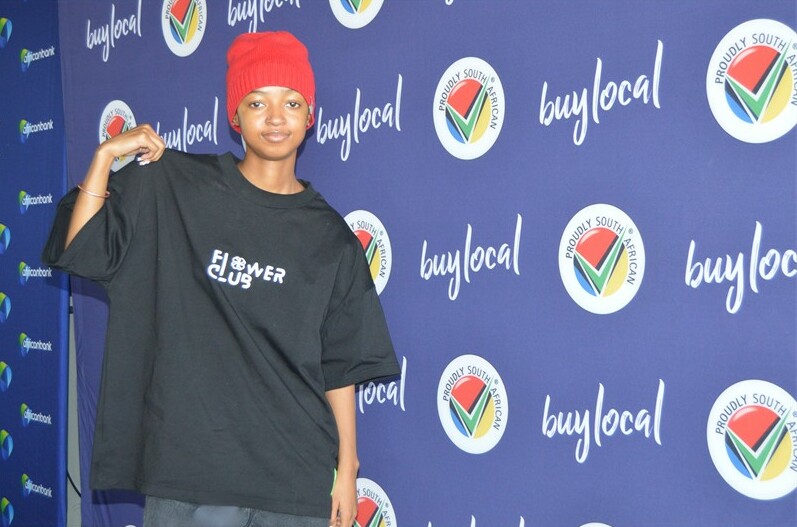
What started with four winners each taking home R40 000 has now grown into a prestigious competition with 30 shortlisted fashion-conscious South Africans competing for a share of R350 000 and the chance to walk the runway in the clothes of seven leading local brands.
For Ngidi, the message is clear. South Africans must reconnect with their roots and understand the value of supporting local craftsmanship.
“Every imported item of clothing that gets purchased represents a job lost somewhere in our local industry,” she warned. “We cannot afford to trade our livelihoods for cheap fashion.”
Her concerns are echoed by Lesedi Leketi, head facilitator for skills and leadership training in South Africa’s textile industry and an alumna of Stadio’s School of Fashion, Arts, and Design.
Having witnessed first-hand the collapse of clothing factories in rural areas, Leketi highlights the urgent need for consumer education.
“When the market shifted to foreign brands, factories closed down, and countless women, especially single mothers, lost their livelihoods,” she explained.
Her training subsidised organisation, M-Seta, now travels to rural areas to train women in sewing and garment design, offering stipends to help them sustain themselves while learning.
“If consumers knew what goes into making a local garment, they would think twice before clicking ‘buy now’ on an overseas website,” she added.
Award-winning designer Greg Wallis added another dimension to the conversation on gamechangers, namely professionalism and discipline.
“This business of fashion will only survive the onslaught if we are all professional, accountable to the taxman, and not in it to massage our egos,” he said.
For Wallis, the fight for local fashion is all about building a respected, self-sustaining industry capable of global excellence.
In this year’s LFP campaign, Proudly SA also celebrates designer voices like Prince and Warren Meko, the twin designers behind the brand Madonsela.
Once two ambitious kids from Katlehong, they have turned their dream into a thriving label rooted in identity and authenticity.
“We built Madonsela not just to be a perception of fashion but to tell our story,” said Warren. “Our signature leather jackets represent strength. This is the strength of our people and our culture. When you wear one, you are clothed in pride, not just a product.”
Proudly SA’s Local Fashion Police promotion will soon announce the winners to go through to the grand finale of their promotion.
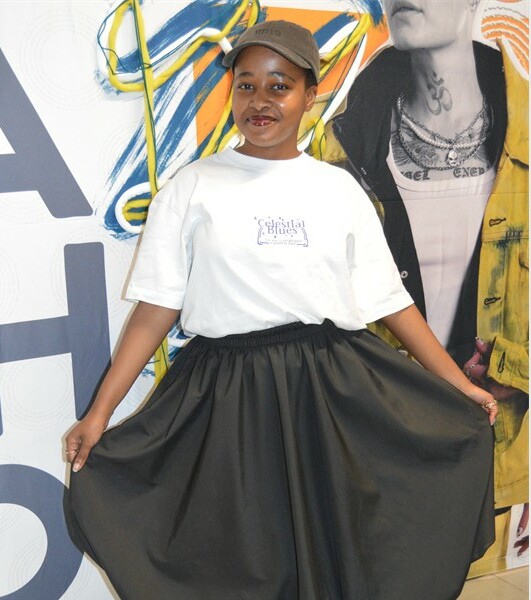
These are the everyday South Africans identified through social media for their authentic local style by the public.
Competition participants had to tag themselves in a garment on social media to catch the judges’ attention.
The grand finale (date still to be announced) will not only honour the winning designers but will also feature live runway presentations by designers in a celebration of style.
Do you have more information about the story?
Please send us an email to bennittb@rekord.co.za or phone us on 083 625 4114.
For free breaking and community news, visit Rekord’s websites: Rekord East
For more news and interesting articles, like Rekord on Facebook, follow us on Twitter or Instagram or TikTok.