City battles wave of infrastructure theft draining key resources
Relentless theft and vandalism of electrical infrastructure are not only costly but also hinder efforts to deliver reliable services to residents, according to the metro.
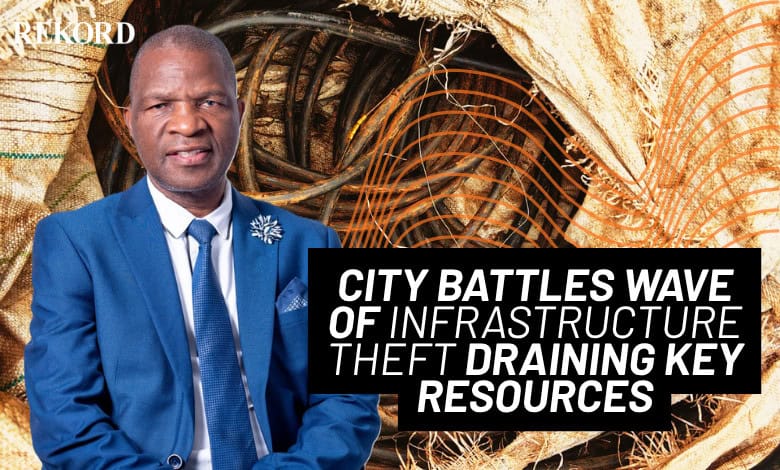
Cable theft and infrastructure tampering continue to take a devastating toll on the metro, with losses estimated between R8-million and R10-million every year.
The Tshwane Metro said these criminal acts not only drain public resources but also severely disrupt service delivery and undermine efforts to provide reliable power to residents.
MMC for Utility Services Frans Boshielo said the problem has reached alarming levels.
“These criminal acts cost the city an estimated R8–10-million annually, directly affecting ratepayers and undermining efforts to provide reliable services.”
The city records about 2 000 unplanned power outages across its seven regions each month. The central region (Region 3) experiences the highest number of incidents, followed by the southern region (Region 4) and the north-western region (Region 1).
Boshielo emphasised that these disruptions have a significant effect on thousands of households and businesses that depend on a stable electricity supply.
“Theft and vandalism of electricity infrastructure are among the primary causes of unplanned power interruptions.
“These crimes not only plunge communities into darkness but also accelerate the deterioration of critical equipment, leading to repeated failures and costly repairs,” he explained.
Boshielo said the problem has now extended to the theft of electrical protection equipment, including tripping batteries, network control cables, and earthing conductors at substations.
“The removal of earthing conductors and tripping units compromises the protection of downstream networks, allowing electrical faults to persist longer than they should before being cleared at the primary substation.”
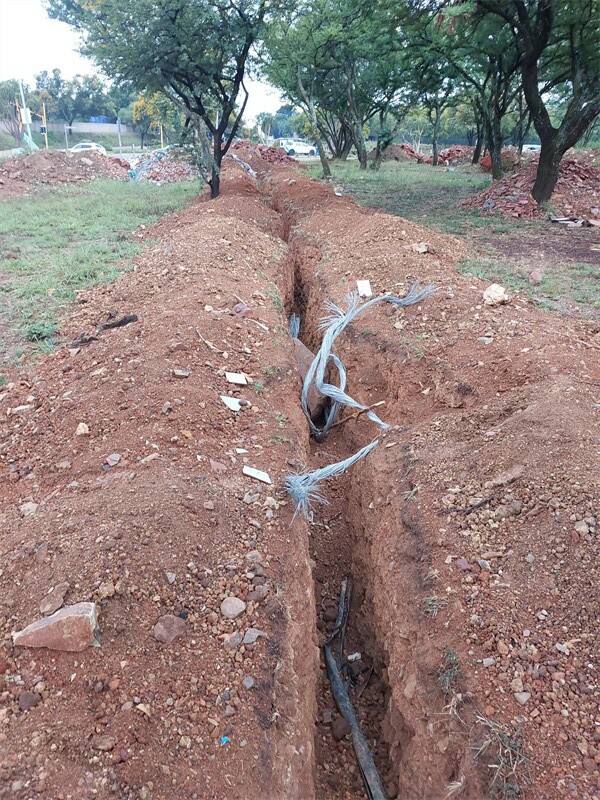
He said this means that more consumers are unnecessarily affected by power outages that could have been avoided if the integrity of the secondary network protection had remained intact.
He warned that in severe cases, the ongoing theft and vandalism of electrical protection equipment pose a risk of serious injury, fatalities, and large-scale destruction of substations due to overheating of unprotected equipment.
“Analysis by the city shows that electrical faults account for about 50% of all service disruptions, with theft and vandalism contributing an additional 40% of total outages.”
According to Boshielo, emergency response costs, overtime labour, increased security measures, service interruption impacts, and administrative expenses all contribute to the annual financial loss.
The funds could have been redirected towards infrastructure upgrades, service improvements, and critical community development projects, he said.
To combat cable theft and infrastructure vandalism, the metro has intensified its efforts and implemented several interventions.
These include increased security patrols in high-risk areas, particularly in Regions 3, 4, and 1, as well as strengthened collaboration with law enforcement agencies and specialised units to target organised syndicates.
The investigation and introduction of theft-deterrent technologies, such as smart cables, real-time monitoring systems and intelligence-driven operations to identify and dismantle criminal networks involved in cable theft, are also being put into place.
Ongoing community awareness campaigns to educate residents on the social and economic impact of infrastructure crime are ongoing.
Accelerated response protocols to ensure rapid restoration of damaged infrastructure and minimise service disruption have been put in place.
Boshielo called on all residents to become active partners in protecting the city’s shared infrastructure.
“The R8–R10-million we lose annually to theft and vandalism is money that belongs to our residents. It is money that should be improving our infrastructure, expanding our services, and building a better city for all. We cannot allow criminals to destroy what is meant to serve our communities,” said Boshielo.
He urged residents to remain vigilant and to report any suspicious activity around electrical infrastructure by contacting the TMPD or the city’s 24-hour call centre.
“Protecting public infrastructure is a shared responsibility, and together, we can ensure a more reliable and resilient electricity network for all.”
ALSO READ:
- Streetlight project on Delmas Road halted due to funding shortage
- Vandalism of R55 infrastructure just days after restoration
- Nine arrested as copper cable theft syndicate is dismantled
Do you have more information about the story?
Please send us an email to bennittb@rekord.co.za or phone us on 083 625 4114.
For free breaking and community news, visit Rekord’s websites: Rekord East
For more news and interesting articles, like Rekord on Facebook, follow us on Twitter or Instagram or TikTok.