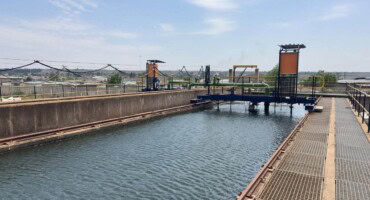
Ageing infrastructure driving Tshwane's R2.2bn annual water loss
Almost 45% of treated water is not generating revenue for the metro, with officials blaming ageing infrastructure, leaks and illegal consumption while rolling out measures to improve water security and reduce losses.
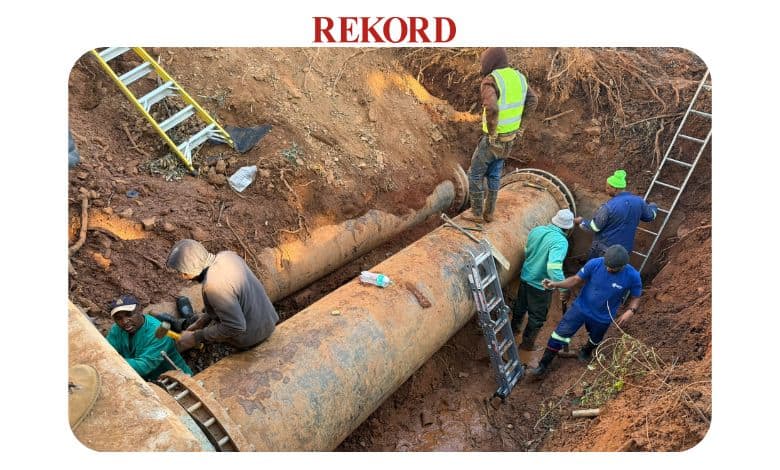
The Tshwane Metro has stated that ageing water infrastructure and water theft are responsible for the bulk of its water losses, with almost half of all treated water not generating revenue for the municipality.
According to the city’s latest water balance for April 2026, Tshwane is losing about 45% of its treated water, an estimated 165-million kl a year, with the loss costing the metro about R2.2-billion annually.
Metro spokesperson Lindela Mashigo said the high level of non-revenue water continues to place significant pressure on the municipality’s finances and its ability to provide reliable water services.
“The water losses were calculated at approximately R2.2-billion per annum during the second quarter. This significantly limits the city’s ability to provide reliable water services to residents,” Mashigo said.
He said ageing infrastructure remains the single biggest contributor to water losses.
“According to the April 2026 water balance, real losses caused by ageing infrastructure and leaks account for 34% of the metro’s total water losses.”
Mashigo said other contributing factors include illegal connections and unauthorised water consumption (4%), theft and other unbilled consumption (4%), and meter inaccuracies or faulty meters (3%).
“The overall water loss currently stands at [about 45%], which is equivalent to approximately 165.6-million kilolitres of water per year.”
Mashigo said that to reduce these losses, the metro has implemented a range of interventions aimed at improving infrastructure, reducing leaks, and strengthening water management.
“The metro is replacing worn-out water pipes, implementing pressure management, repairing leaks, removing illegal connections and fixing leaking reservoirs.”
He said public education also forms part of the strategy.
“We continue to educate residents on responsible water use and are conducting awareness campaigns to encourage water conservation.”
Mashigo added that the metro is also working closely with Rand Water and the City of Aarhus, Denmark, to improve water conservation and demand management.
The metro has also set annual targets to gradually reduce non-revenue water over the next five years.
“Our target is to reduce non-revenue water from 40.2% in 2025/26 to 39.4% in 2026/27, 39% in 2027/28, 38.8% in 2028/29, 37% in 2029/30, and ultimately 36% by 2030/31,” Mashigo said.
To support these targets, Tshwane has allocated hundreds of millions towards infrastructure upgrades and water-loss reduction programmes during the 2026/27 financial year.
Mashigo said the city has budgeted R120-million for water conservation and demand management initiatives, including meter replacement and alternative water supply projects.
Of that, R101-million is for replacing ageing water pipelines, with R20-million for pressure management initiatives aimed at reducing leaks.
Another R20-million is allocated to installing telemetry systems, bulk meters and control equipment at reservoirs, and R700 000 for relining and upgrading the Klapperkop Reservoir.
“The investments are aimed at improving the reliability of the metro’s water network while reducing losses caused by ageing infrastructure and operational inefficiencies.”
Mashigo said Regions 1, 4, and 6 are currently experiencing the highest water losses and have therefore been prioritised for intervention.
“In these regions, we are increasing pipe replacement, pressure management, leak repairs, the removal of illegal connections, repairs to leaking reservoirs and consumer awareness campaigns.”
Technology is also playing an increasingly important role in the city’s water loss reduction strategy.
Mashigo said smart meters, pressure management systems, leak detection technology and automated monitoring systems enable the municipality to identify problems much faster.
“These technologies assist Tshwane in detecting leaks, illegal connections and overflowing reservoirs. They also allow faults to be identified and, in some instances, addressed without human intervention.”
He said the municipality measures non-revenue water using the International Water Association (IWA) Water Balance Methodology, with the data reviewed every two weeks and published monthly.
Mashigo urged residents to play their part in reducing water losses by using water responsibly and reporting illegal activities affecting the city’s water network.
“We encourage residents to support the metro’s efforts by reducing unnecessary water consumption, reporting leaks and illegal connections, and paying for municipal services on time.”
He said tackling water losses requires a joint effort between the municipality and Tshwane Metro residents to improve water security and ensure a more reliable water supply for the future.
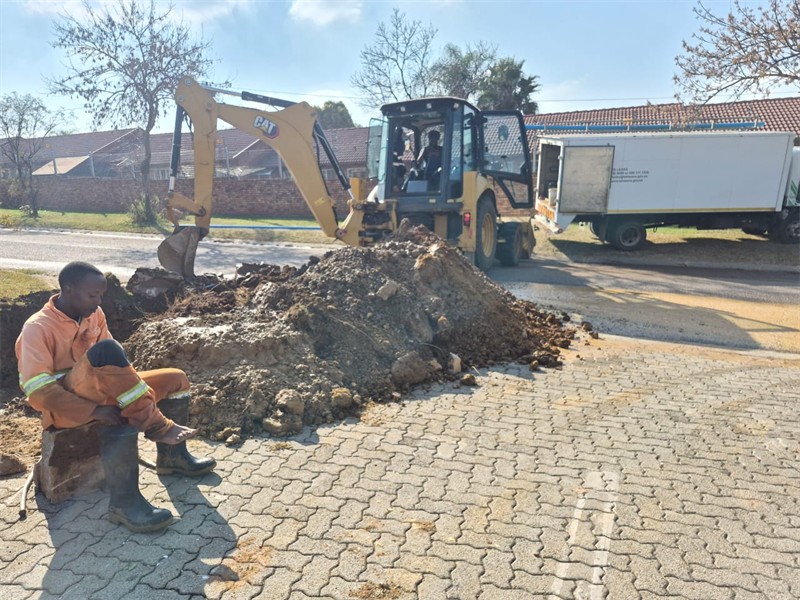
ALSO READ: Metro plans major wastewater infrastructure maintenance programme
Do you have more information about the story?
Please send us an email to bennittb@rekord.co.za or phone us on 083 625 4114.
For free breaking and community news, visit Rekord’s websites: Rekord East
For more news and interesting articles, like Rekord on Facebook, follow us on Twitter or Instagram or TikTok or WhatsApp Channel