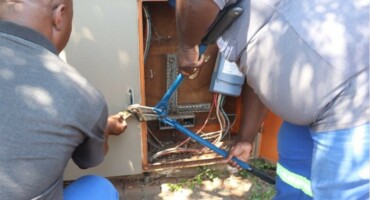
Over 700 Ga-Rankuwa households relocated as metro upgrades informal areas
Hundreds of families are being moved to pegged and serviced stands in Ga-Rankuwa as the metro rolls out a phased relocation to improve safety and living conditions.
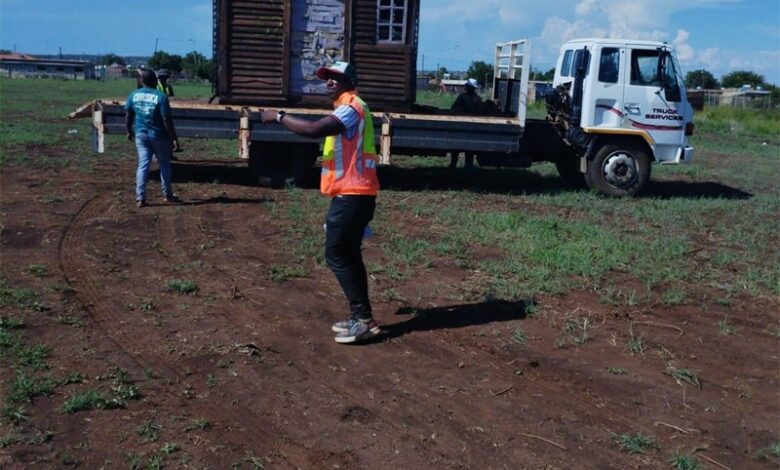
The Tshwane metro has officially begun the relocation of 752 households in Ga-Rankuwa Units 23 and 25, marking a major milestone in its efforts to provide residents with safe, serviced, and dignified land.
The relocation project, which kicked off earlier this month, forms part of the metro’s ongoing urban renewal initiatives aimed at upgrading informal settlements, improving safety, and ensuring access to essential services.
According to MMC for Human Settlements Alderman Aaron Maluleka, the first phase involves 369 households from Ga-Rankuwa Units 23 and 25, also referred to as Unit 26.
These families are being moved to stands through a carefully planned spatial reconfiguration process.
The arrangement is designed to create order, enhance safety, and improve access to roads, electricity, sanitation, and other essential municipal services.
“In Units 23 and 25, the re-arrangement into pegged stands will enhance safety, create better layouts, and improve access to basic services for all residents,” said Maluleka.
He stressed that the relocation is part of the metro’s broader strategy to upgrade informal settlements and create sustainable communities.
The relocation also includes 200 households from Brengaville, who were previously living under Eskom servitudes and within flood-prone areas.
These residents had long faced safety and health risks due to flooding and exposure to high-voltage servitudes.
“This follows the Ga-Rankuwa shutdown that took place two months ago, during which the metro pledged to prioritise the safe resettlement of affected communities,” explained Maluleka.
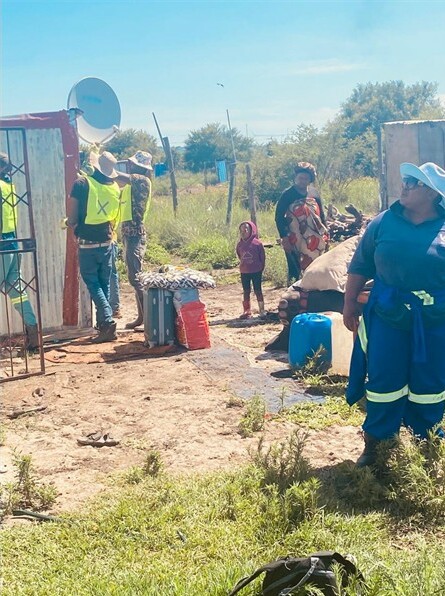
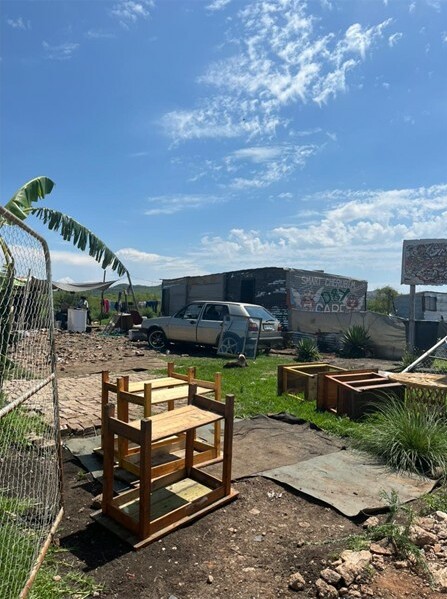
A further 183 households from Ga-Rankuwa View Ext 1, commonly known as Beverly Hills, are also set to be relocated.
Their move will allow the metro to finalise the township establishment process and make way for critical infrastructure projects, including roads, parks, and community facilities.
Maluleka emphasised that the relocations are a crucial step toward achieving a well-planned, orderly urban environment.
Residents expressed relief and optimism about the relocation, describing it as a long-awaited solution to years of difficult living conditions.
Mpho Dlamini from Unit 23 said, “We have been living in difficult conditions for years, especially during the rainy season when flooding would damage our homes.
“Now, we have proper stands and access to water and electricity. I feel relieved and hopeful for my family’s future.”
Thabo Mokoena, a resident from Brengaville, added, “Our previous home was in a flood zone and under an Eskom servitude. Every rainy season brought fear for our children. The new site is safer, organised, and provides a proper space for families to live with dignity. We are grateful to the city for making this happen.”
Maluleka urged residents to co-operate with the relocation process and avoid interfering with the work on the ground.
“We are asking all affected residents to remain patient and allow the processes to unfold as planned. Any interference could delay progress and affect the timely completion of this important project,” he said.
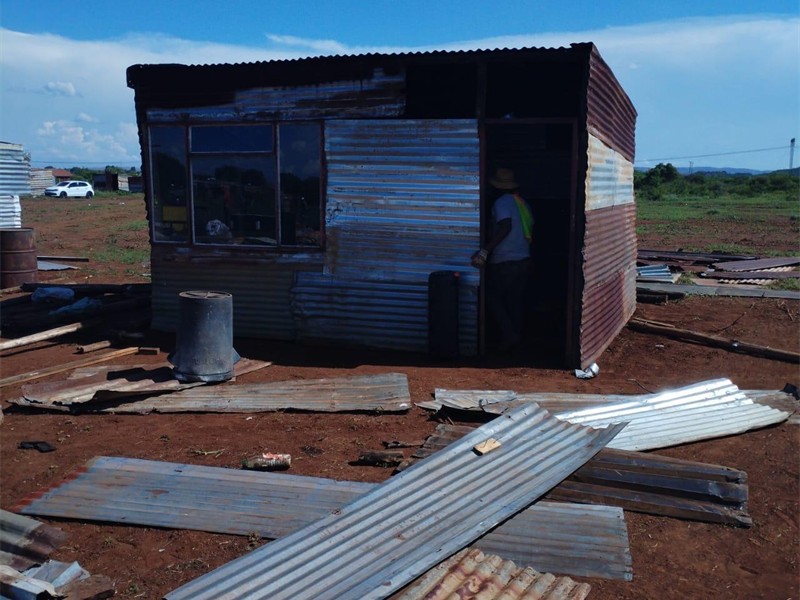
The relocation project also addresses long-standing challenges associated with informal settlements, including overcrowding, lack of access to basic services, and environmental risks such as flooding.
By moving families to pegged and serviced stands, the metro aims to provide a safer, more organised living environment while fostering sustainable community development.
The metro officials confirmed that the relocation is being implemented in phases to ensure that residents are adequately supported throughout the process.
Access to essential services such as water, electricity, and sanitation is being prioritised, while the spatial reconfiguration of the stands allows for orderly layouts and safer communities.
“This project is about more than just moving people from one location to another. It is about building sustainable communities where residents can live with dignity, safety, and access to services that support their well-being.
“The relocations are part of our long-term vision for urban renewal in Ga-Rankuwa and across Tshwane.”
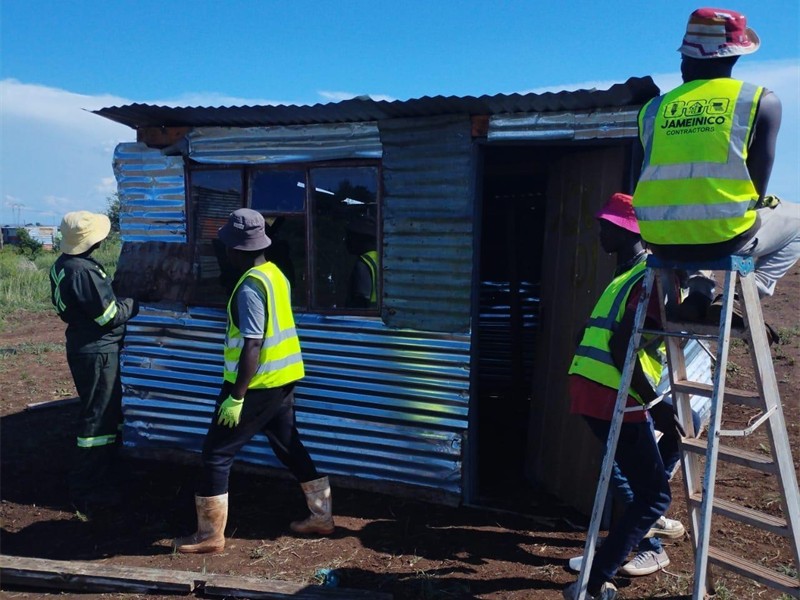
The project has also highlighted the importance of municipal engagement with communities, as residents are encouraged to actively participate and support the relocation process to ensure smooth implementation.
With co-operation between the metro and residents, the relocation of 752 households in Ga-Rankuwa is set to improve living conditions for hundreds of families and establish a strong foundation for future township development.
Do you have more information about the story?
Please send us an email to bennittb@rekord.co.za or phone us on 083 625 4114.
For free breaking and community news, visit Rekord’s websites: Rekord East
For more news and interesting articles, like Rekord on Facebook, follow us on Twitter or Instagram or TikTok.