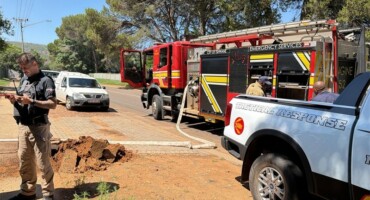
Metro spends millions to secure electricity and water systems from crippling theft
In a bid to stabilise services, the metro has rolled out a multi-million rand security drive to protect electricity and water networks.
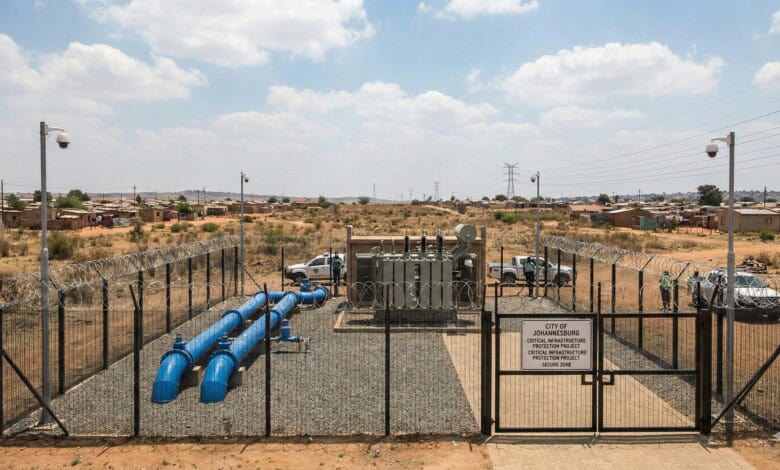
The Tshwane municipality has spent more than R200-million to strengthen security around its vulnerable electricity and water infrastructure throughout the city.
The metro said this is one of several interventions to curb rampant theft, vandalism, and sabotage.
This investment was first announced in May, when Deputy Mayor Eugene Modise presented the 2025/26 budget, and indicated that the city would allocate R565.4-million toward a consolidated asset-protection strategy.
At the time, Modise said the metro would invest in physical security upgrades, CCTV surveillance, motion-detection systems, smart tools, additional security personnel, and the recruitment of 200 new metro police officers to reinforce enforcement and reduce crime-related service interruptions.
Last month, MMC for Utilities Frans Boshielo further highlighted the scale of the problem, revealing that criminals cost the metro between R8–10-million annually, with cable theft and infrastructure vandalism. This results in about 2 000 unplanned outages each month across Tshwane’s seven regions.
Region 4 remains among the most heavily affected, following Region 3.
In response, the city now reports significant progress in rolling out the R565-million asset-protection programme, with more than R224-million already spent.
Tshwane mayoral spokesperson Samkelo Mgobozi told Rekord that the current administration inherited infrastructure that had been left severely underfunded and inadequately protected by the previous government.
“For years, essential electricity and water networks were exposed to theft, vandalism, and organised criminal activity,” he said.
He emphasised that this exposure led to repeated service interruptions, rising operational losses, and damages estimated to have cost the metro close to R1-billion.
According to Mgobozi, the multi-party coalition government has since taken strong and urgent action to correct years of neglect, and the allocation of R565.4-million represents one of the largest and most deliberate security investments made in recent years.
“This reflects our commitment to stabilising service delivery, protecting essential infrastructure, and building a safer and more reliable capital city,” he stated.
Mgobozi confirmed that more than R224-million has been spent to date, including the payment of October invoices.
He stated that the funds were used to deploy security personnel, guard services, patrols, and other protective measures across all seven regions.
He explained that these interventions were urgently needed to address the historic underfunding that left infrastructure vulnerable to criminal activity.
“Progress includes strengthened security at priority sites, the expansion of protection to previously unfunded locations, improved co-ordination with TMPD and SAPS, and the early stages of introducing modern security technology to detect and deter criminal incidents,” he said.
Mgobozi noted that Region 4, one of the most targeted regions for infrastructure-related crime, receives about 12.5% of the total allocation.
“To date, Region 4 has spent just under R28-million, which has been allocated to security personnel, increased patrols, monitoring of high-risk sites, and responses to theft, tampering, and vandalism,” he explained.
He added that, like the rest of the metro, Region 4 had previously been significantly under protected and is now receiving investments that should have been made years ago.
Current targeted measures in the region include enhanced patrols along electricity and water networks, joint operations with TMPD and SAPS, rapid-response interventions, and preparatory work for installing modern security technology.
While theft and vandalism remain pressing challenges, Mgobozi said there are early signs of progress, such as improved response times and better coverage of high-risk sites.
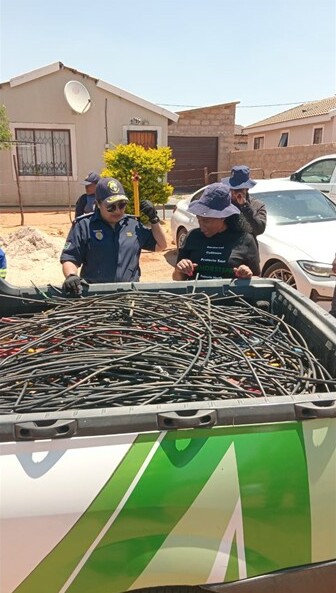
Image: TMPD
He confirmed that TMPD Deputy Chief Revo Spies is finalising a detailed analysis to further refine interventions and guide future investment.
“The city is implementing a modern, integrated security system that will include CCTV cameras, intruder alarms, motion detection, perimeter beams, and continuous monitoring supported by armed response services,” he said.
He emphasised that the previous administration failed to modernise or invest in these systems and that the current multi-party coalition government is addressing this through a carefully planned and disciplined rollout.
Mgobozi confirmed that the city is working closely with SAPS, TMPD, the Gauteng Department of Community Safety, and community-based crime-prevention partners.
He said these partnerships are central to the Reclaim Our City initiative, which is driving visible improvements in safety and enforcement throughout the metro.
“Residents and businesses in Region 4 can be assured that continuous patrols, visible policing, targeted operations, and rapid-response teams are active across the region. Modern security technology is being rolled out, and co-ordination between law enforcement agencies has been significantly strengthened,” said Mgobozi.
He added that the metro is making its strongest investment yet in asset protection because it can no longer afford the costs of previous neglect.
“The current multi-party coalition government is rebuilding a safe, reliable, and well-protected capital city so that residents and businesses can once again depend on stable and predictable services.”
Do you have more information about the story?
Please send us an email to bennittb@rekord.co.za or phone us on 083 625 4114.
For free breaking and community news, visit Rekord’s websites: Rekord East
For more news and interesting articles, like Rekord on Facebook, follow us on Twitter or Instagram or TikTok or WhatsApp Channel