Discover Pretoria’s diverse nature reserves perfect for wildlife and day outings
From popular reserves like Rietvlei to hidden gems like Skuilkrans, Pretoria offers a mix of wildlife, birding and nature-trail experiences for all ages.
Nature Reserves in Pretoria
Rietvlei Nature Reserve
Classed as a ‘critically endangered’ ecosystem, the Rietvlei Nature Reserve has been a conservation area since 1929, but was only proclaimed and opened to the public in 1948.
It covers 4 000 hectares, making it a large nature reserve by urban standards, and is home to around 350 bird species and 2 000 animal species.
Animal species to watch out for are rhino, buffalo, black wildebeest, and, if you’re lucky, you might spot a cheetah.
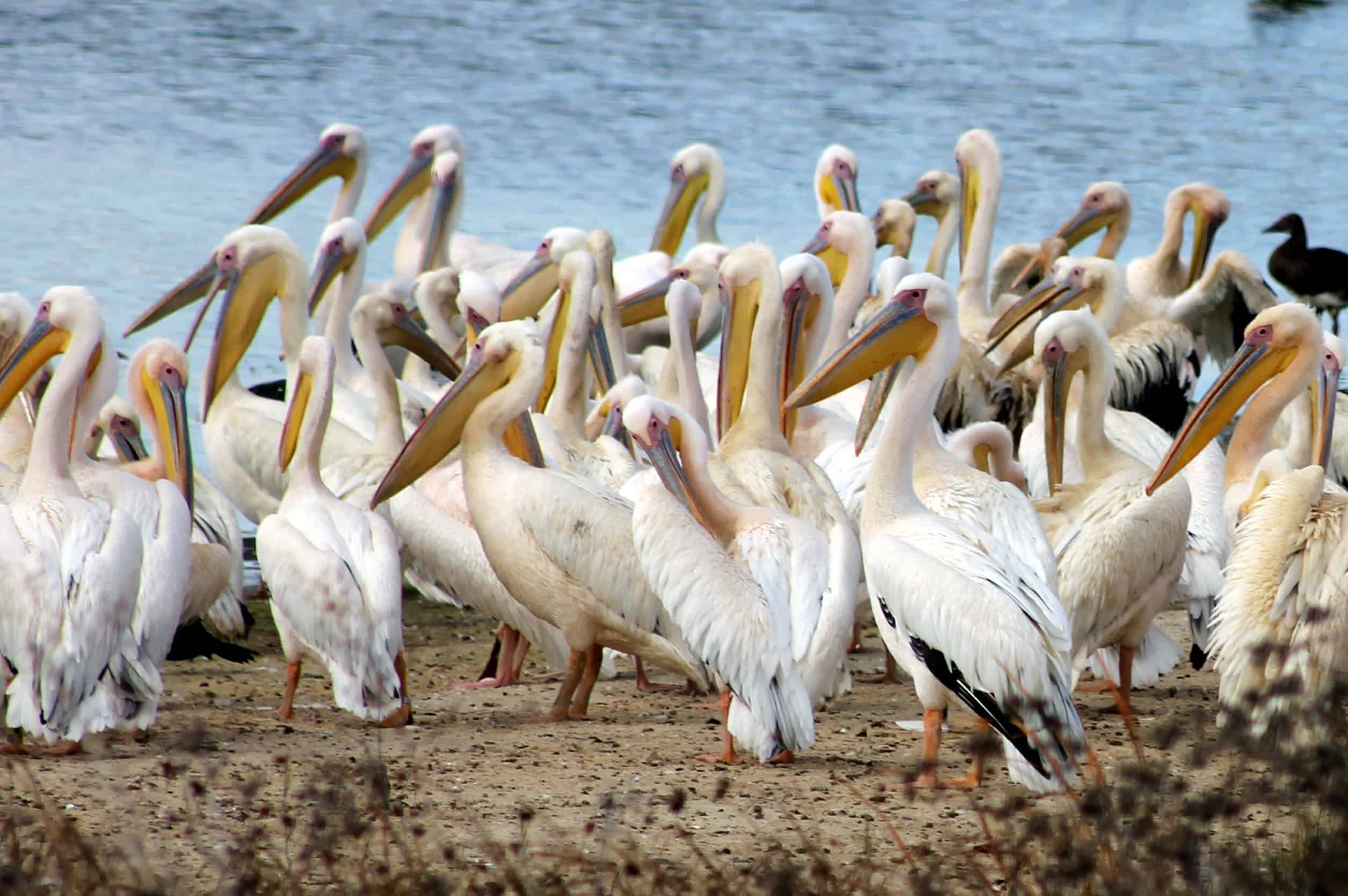
There are six bird hides in the reserve, and notable water birds like the African fish eagle, half-collared and giant kingfishers are particularly notable.
There is a privately run coffee shop in the reserve, and if you are looking for more active things to do, there are guided day walks, one- or two-day hikes, or game drives. Except for the coffee shop, all of these require booking in advance.
Hours are 05:30–17:00 in summer, and 06:00–16:00 in winter. No entry is allowed one hour from closing, and only 100 vehicles are allowed in at a time.
For more information, including pricing, call 012 358 1811/1812, email rietvlein@tshwane.gov.za, or visit www.tshwane.gov.za/?page_id=5505.
Groenkloof Nature Reserve
Just 5km from the Pretoria CBD is the Groenkloof Nature Reserve, originally inhabited by the San. During the 1820s, it became the site of two cities in the kingdom of Mzilikazi KaMashobane during the 1820s.
It was proclaimed as the first official nature reserve in Africa in 1895 by then-President Paul Kruger.
During the 1950s, ownership was passed to what was then the city of Pretoria, and in 1994 it was re-proclaimed and transferred to the Department of Nature Conservation.
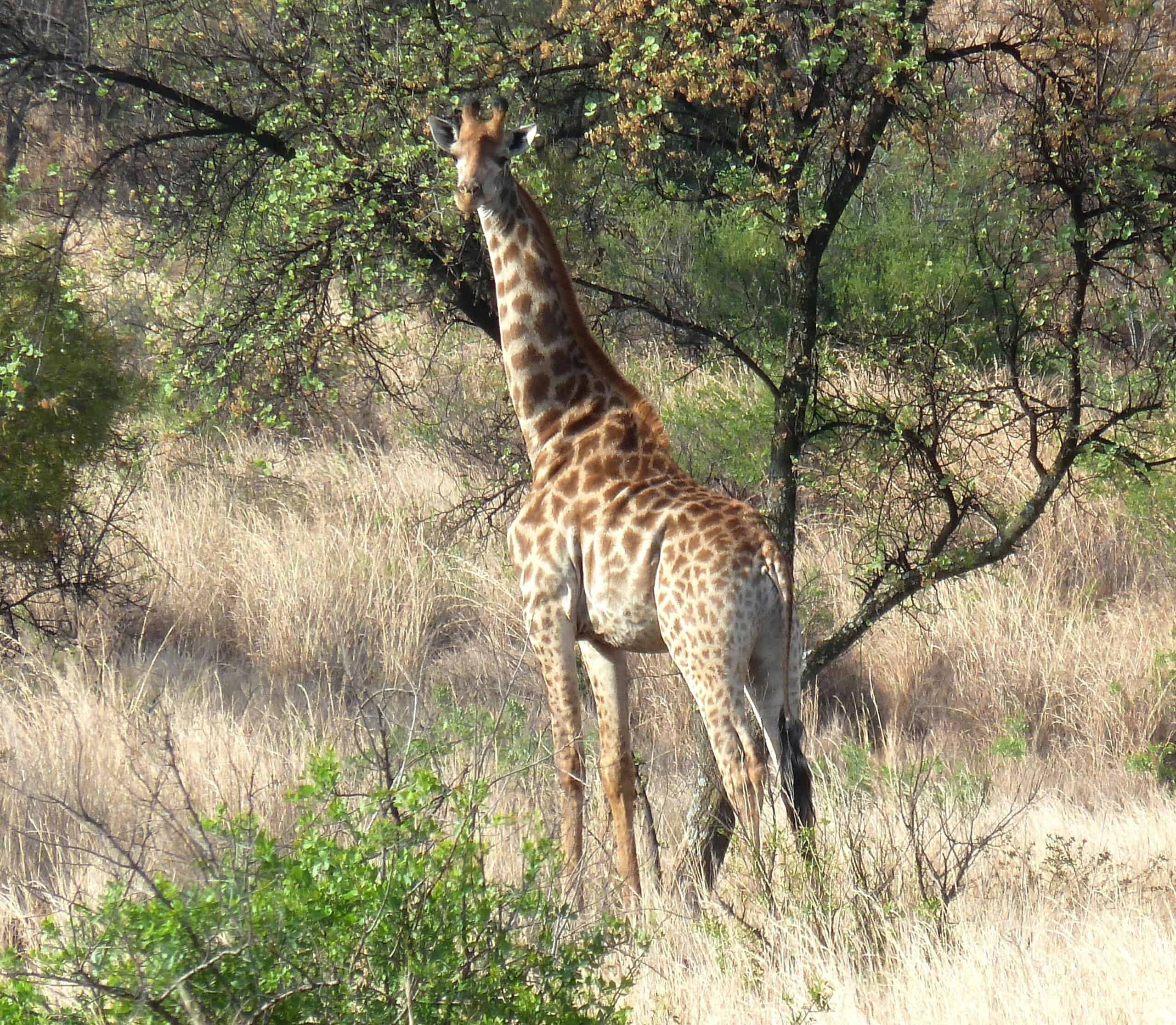
From 1999 onwards, wildlife has been reintroduced, including impala, blue wildebeest, ostrich, giraffe and red hartebeest.
There are several hikes, overnight huts and a 5km car game-drive route, as well as 14km of 4×4 trails.
The reserve is open from 06:00 to 18:00, and entrance fees vary depending on the activity. Contact the reserve on 012 358 1757, 012 358 8188, and 012 358 0473, or email groenkloofnaturereserver3@tshwane.gov.za. The website can be found at www.tshwane.gov.za/?page_id=5291.
Faerie Glen Nature Reserve
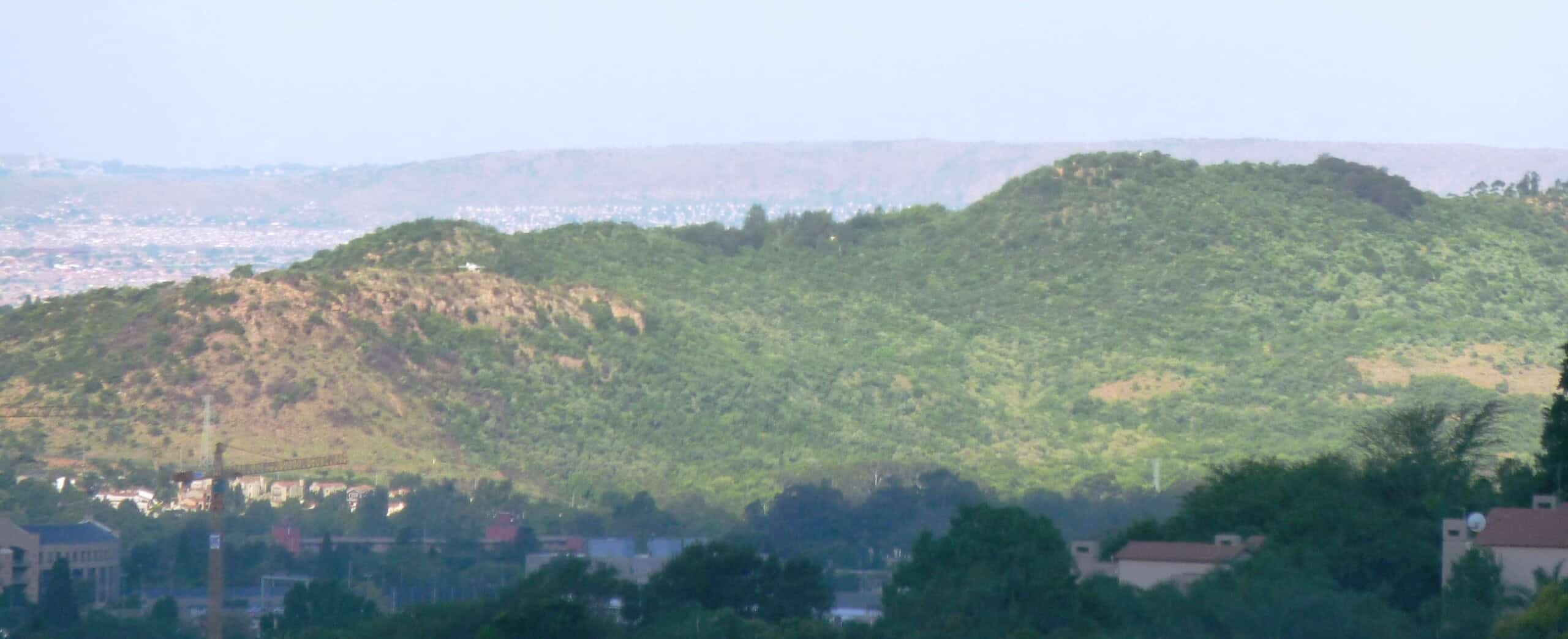
The Faerie Glen Nature Reserve, declared in 1980, was originally a farm. The flood plain was used for crops, and cattle grazed on the rest of the land.
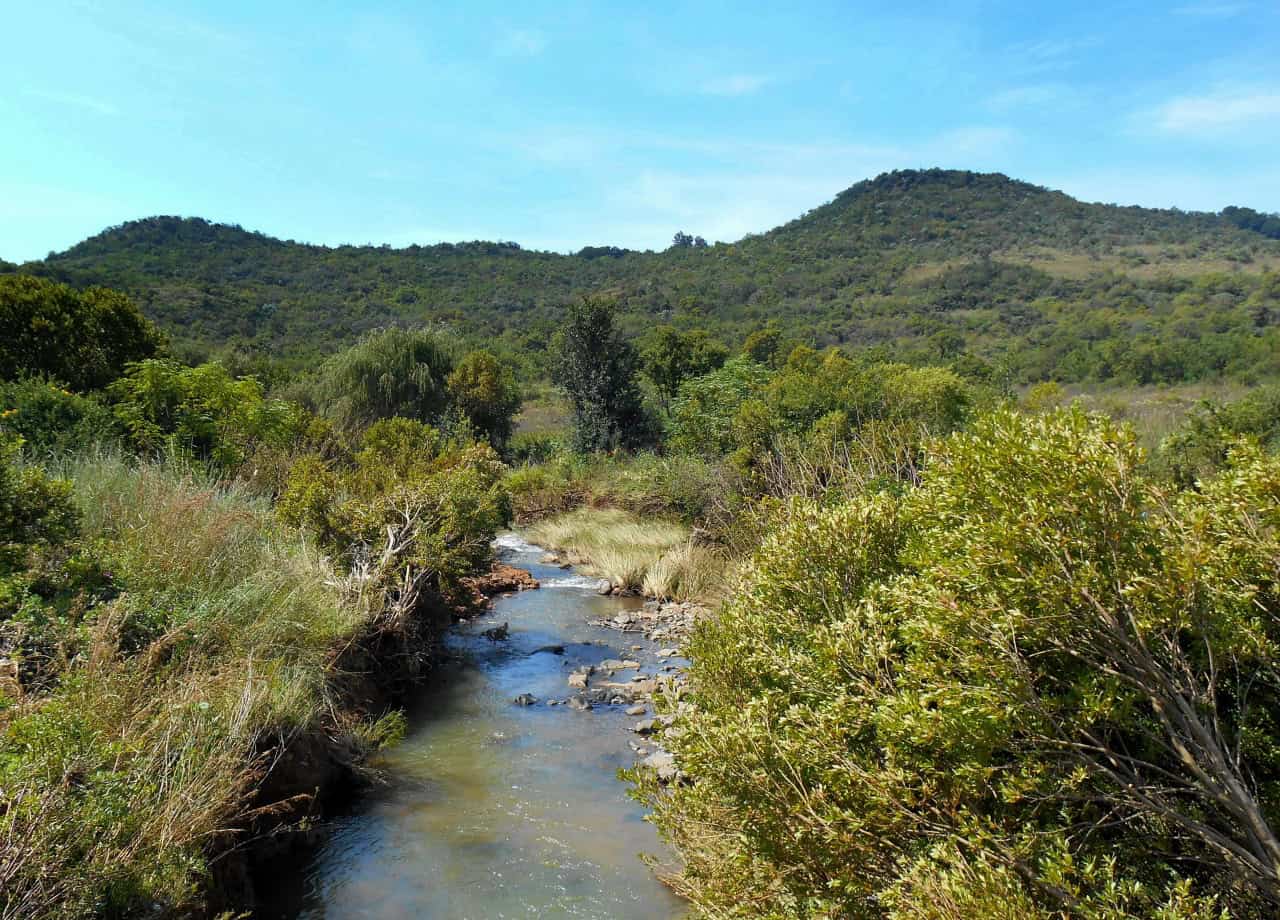
Many smaller animals (including the Cape clawless otter) and several bigger mammals, including impala, hartebeest, and zebra, make their homes here. With two bird-hides, there is also diverse birdlife, including the spotted eagle-owl.
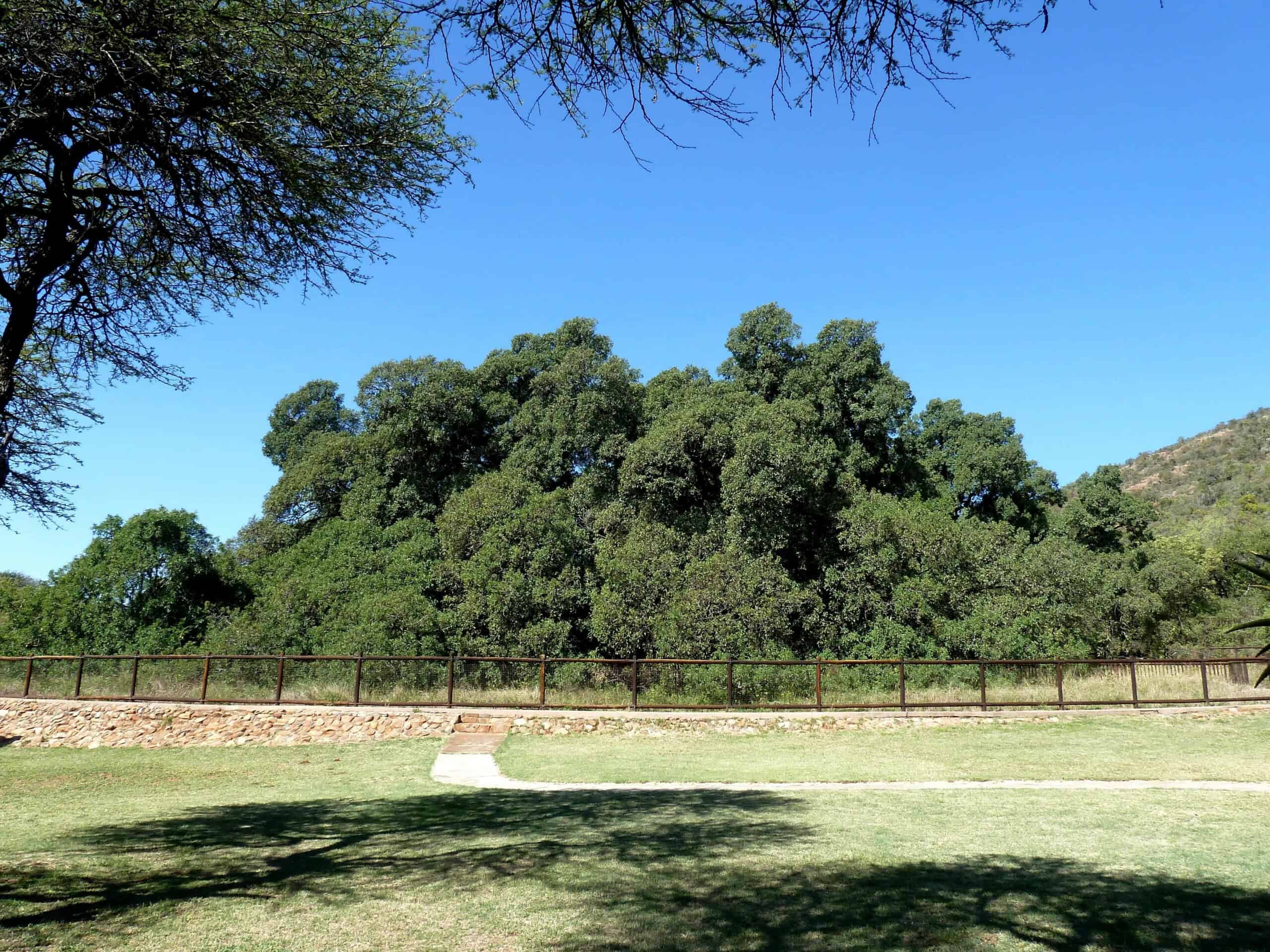
There are three hiking trails, and dogs are allowed on a leash and with a permit that can be bought at the cashier’s office. Braaiing is not allowed, but there are several informal picnic spots.
The reserve is open year-round from 06:00–18:00, with no entrance after 17:00.
For information, call 012 358 1510, visit the website at https://www.tshwane.gov.za/?page_id=5493, or email natashaz@tshwane.gov.za.
Wonderboom Nature Reserve
This nature reserve in the north of Pretoria was declared on December 28, 1949.
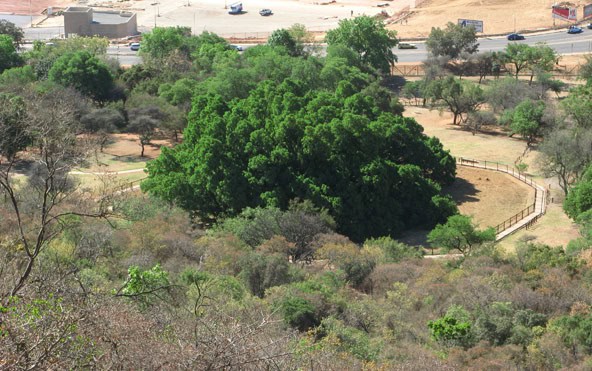
The wild fig tree that this reserve surrounds is truly massive, and one of the reasons for its size, as claimed by locals, is that a chieftain was buried among its roots, and his body feeds it to this day.
It was rediscovered by Hendrik Potgieter in 1836. It was much bigger at the time, easily able to shade 1 000 people.
Unfortunately, a fire set by a hunting party in 1870, and a fungal infection from 1985–2003 destroyed a large portion of it.
Today, it consists of a mother trunk, about 25m high and 5.5m across. Branches from this trunk have grown out, then sunk under their own weight, touched the ground, and rooted. Today, there are 13 daughter trunks, covering an area of about 55m across.
The reserve is home to more than 200 species of birds, including a nesting pair of black eagles. Large animals found here include impala and zebra.
The reserve is open 07:00–17:00 year-round, with no entrance after 16:00. For more information, call 012 358 1792, email wonderboom@tshwane.gov.za or visit https://www.tshwane.gov.za/?page_id=5481.
Skuilkrans Nature Reserve
The Skuilkrans Nature Reserve is made up of three properties – Skuilkrans Kopje, Meyerspark Bird Sanctuary, and Moreleta@Skuilkrans. They were merged in the late 90s after residents of the area protested against the planned development of townhouses on the kopje, who then agreed to safeguard the reserve on behalf of the Pretoria City Council. It now forms a 20km greenbelt in the far east of Pretoria.
Unlike the four previous reserves, access to Skuilkrans is restricted to members of the Friends of Skuilkrans, an approved public benefit organisation. Membership is paid annually, and entitles you to access during the day, and includes six vouchers for access to the other reserves in this article.
There are many hiking routes along both the length of the reserve and surrounding the kopje. Along these routes are around 30 tagged trees and plants, including aloe, wild apricot, wild pear, stinkwood, and yellowwood. The reserve is particularly proud of its bridge art.
The bird life here is also impressive, and barn owls, spotted eagle-owls, African hammer-hawk, two species of kite, and two species of bishop bird make their homes here.
For more information, visit www.skuilkrans.org.za or email friends@Skuilkrans.org.za for more information.
Moreleta Kloof Nature Area
The Moreleta Kloof Nature Area was originally part of the farm Garsfontein, and covers 100 hectares in the east of Pretoria.
The vegetation in the north-western park of the reserve is gold reef mountain bushveld, and has ridges of quartzite rock. The south-eastern part of the reserve is a mix of Marikana bushveld and Acacia Karoo bushveld.
There is a network of hiking trails totalling about 7.5km, and a sensory trail for the disabled.
A house, built in the late 1870s, was later converted into a chapel, which is still in use as a wedding venue. Another house was built in 1903, which now operates as a restaurant.
Animals making their homes here include impala, blesbok, and zebra. Bird species include ostrich, marsh owl, and Marico sunbird.
Entry year-round is between 06:00 and 18:00, with no entrance allowed after 17:00. Because of the animals, no dogs are allowed.
For more information, contact 012 358 1510 or visit moreletakloof.co.za.
Pretoria National Botanical Garden
Established in June 1946, this 76-hectare zoo was originally owned by the University of Pretoria and was sold to the Department of Agriculture. It later had to be abandoned because of a plant that is poisonous to wildlife.
The park was officially opened in October 1958, but access was by arrangement only, as it was mainly a research facility. It only opened to the public on a daily basis in 1984.
The western section of the park contains several gardens. Among these are the cycad garden, the succulent garden – visit in summer to see the flame creeper blossoming in bright red – and the medicinal garden – visit in spring to see the bulbs, dormant in winter, burst into flower in dazzling colours.
The eastern section is less developed and contains an arboretum and a natural grassland. The paved Dassie walking trail makes for a scenic walk along the ridge at the centre of the park.
The park is home to over 220 species of birds, including several species of raptors. A variety of small mammals and some reptiles also find a home here.
An annual spectacle is the migration of the brown-veined white butterfly between December and February, during which thousands of butterflies pass through the park.
For more information, visit www.sanbi.org/gardens/pretoria/, call 012 002 5201, or email pretoriagarden@sanbi.org.za.
Wolwespruit MTB and Trail Park
Established in 2014 and covering 90 hectares, Wolwespruit MTB and Trail Park is a project run by the Friends of Wolwespruit public benefit organisation.
It aims to provide a safe, clean environment in the eastern suburbs of Pretoria where nature-lovers can cycle, run, and climb.
There are currently around 23km of MTB trails, 10km of run or walk trails, and 300m of climbing available. For adrenaline junkies, there is also a pump track, a jump line, and trails that include berms and obstacles. Dogs on leashes are welcome.
Friends of Wolwespruit also organise monthly clean-ups that help with their goal of cleaning the area and increasing biodiversity in the park.
There are also a number of businesses run within the park, including a restaurant and several sporting and fitness stores.
The park itself is open 365 days a year, but opening and closing times vary, so check their website for details.
The park can be reached on 012 054 5448 and their website is wolwespruit.co.za. Friends of Wolwespruit has a website at www.friendsofwolwespruit.co.za.