Keep pesky pests away without poisoning your pets
Want to enjoy summer pest-free but still keep your pets safe? Here are some natural ingredients that double as insect repellent.
Everybody loves summer: warm, sunny days, relaxing by the pool. But there is one thing everyone hates: mosquitoes!
Pretoria’s rainy season (usually between October and April) also brings with it the onslaught of these pesky pests.
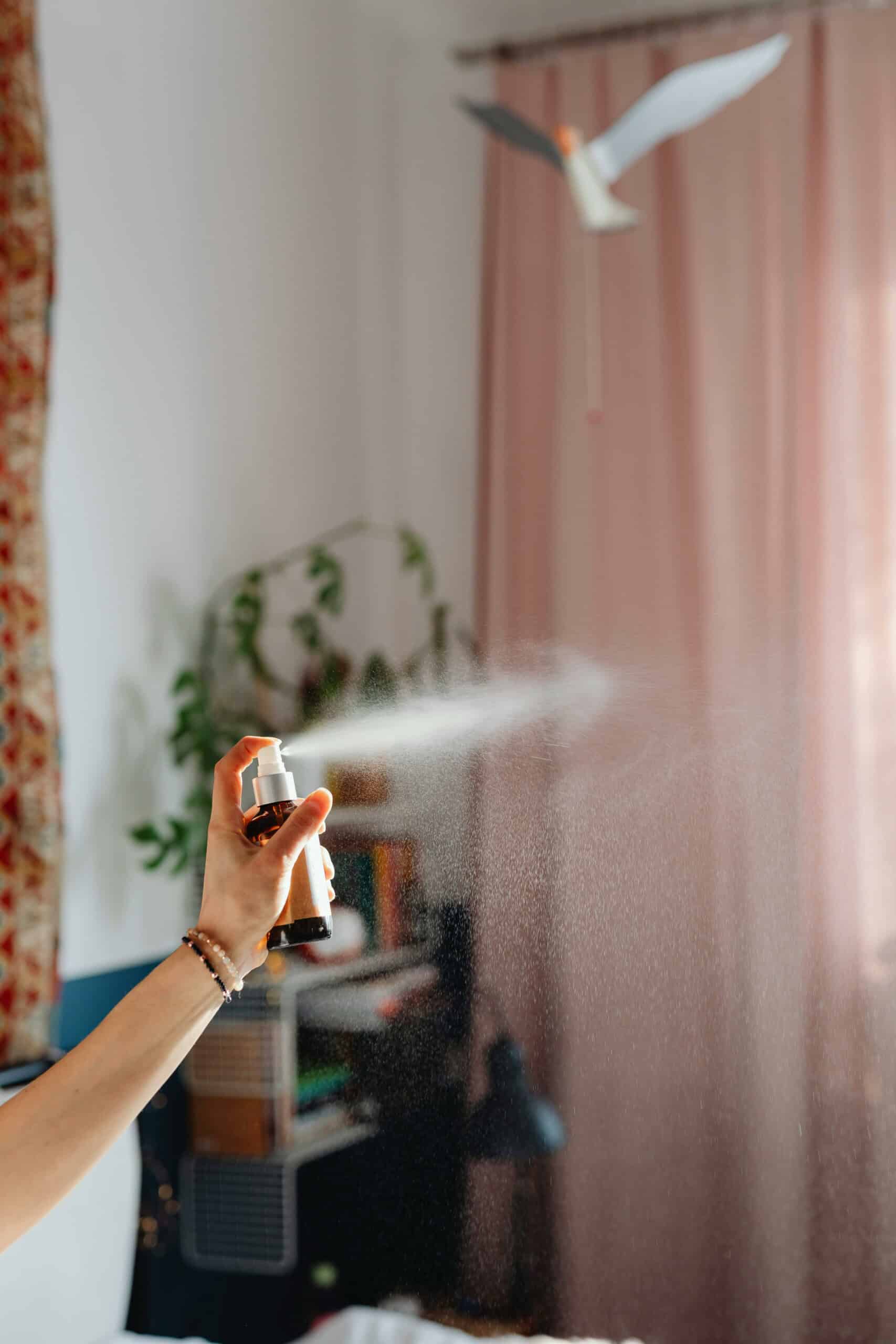
But before you bring out the bug spray, stop and take heed of the following:
If you have pets, DEET IS A DON’T!
Deet (or diethyltoluamide) is commonly found in most bug sprays but can be very toxic to cats and dogs. It causes vomiting, staggering, seizures, and other concerning problems (preventivevet.com). It is also very harmful to bees as it doesn’t break down easily in the environment (balmyfox.co.uk).
So, how can you stay bite-free without poisoning your pets?

Luckily, there are several natural ingredients to keep those pesky pests at bay.
Basil – repels flies and mozzies. According to preventivevet.com, it works by interfering with the mosquito’s heat and carbon dioxide sensors, making it difficult for them to recognise their next meal!
Catnip oil – repels cockroaches and mozzies. Catnip is a member of the mint family. According to www.chemist-4-u.com, a sprig of catnip is all you need if you want to be protected for half an hour. Rub it vigorously between your hands to release the botanical compounds. Once you have done this, rub it on your exposed skin.

Research published in Science Daily has also revealed that the essential oil (nepetalactone) in the plant is 10 times more effective than DEET at repelling mosquitoes because it takes about one-tenth as much nepetalactone as DEET to have the same effect.
Citrus juice: Mozzies hate the smell of citrus.
You can make your own lemon juice spray. It’s easy! Just combine the juice from six freshly squeezed lemons and four cups of water in a pot. Put it on the stove, bring to a boil and let it steep for an hour. Once it cools down, pour it into a spray bottle and voilà! A natural insect repellent, thanks to www.animalhumanesociety.org.
However, avoid citronella as it is extremely toxic to pets. Your pets can develop breathing problems. Exposure after pets eating it in large amounts can also cause rashes, vomiting and weakness, according to www.zoetispetcare.com.

Other toxic plants that you should rather avoid are geraniums, peppermint, lavender, certain varieties of marigolds, and garlic – all of which can be harmful to animals if eaten. Garlic can cause damage to your pet’s red blood cells (animalhumanesociety.com and preventivevet.com).
However, you can apply small amounts of geranium and soybean oils to your pet’s coat to ward off mosquitoes. While geranium plants are toxic to cats and dogs, the oil is safe.
Vanilla diffusers can be used, but make sure they are diluted. Concentrated essential oils can be toxic to pets. Keep it out of reach of pets by placing it on a high shelf and make sure there is enough ventilation.
However, beware essential oils. Cats are especially sensitive and can get upset stomachs, central nervous system depression and liver damage. For example, tea tree oil is a big NO-NO as it is extremely toxic to cats.
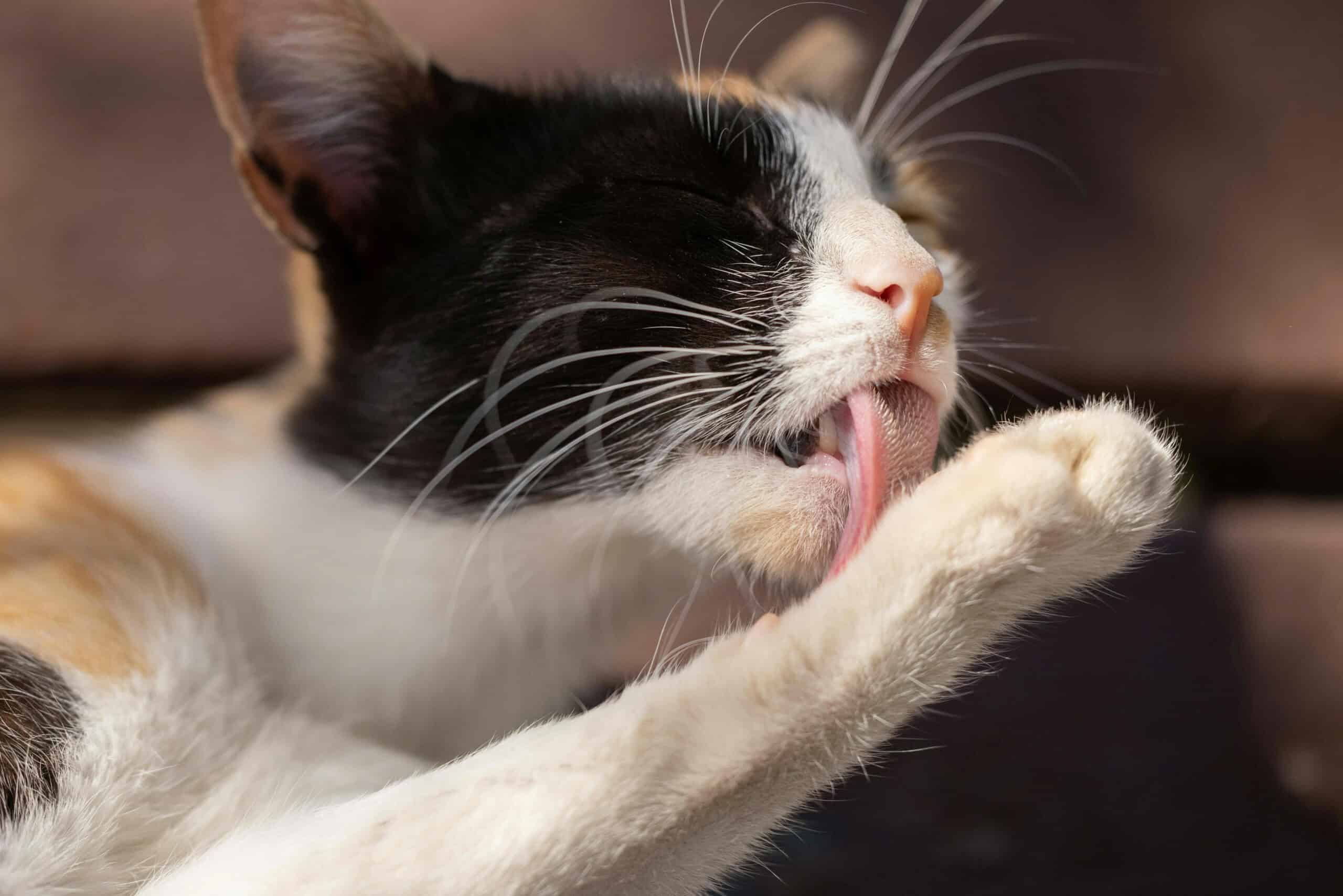
Watch for these symptoms:
If, perhaps, you did not know and used some of the taboo products mentioned above, look out for the following symptoms: salivation, watery eyes, vomiting, trouble breathing, urination and defecation. These are all signs that your pets are suffering from toxicity (www.familyhandyman.com).
Rush your pet to the vet and bring the product along, so vets will know what they are dealing with.

Another tip: Pets can absorb toxins through their skin or by licking their paws after walking on treated surfaces. Keep them away from the area being treated until the product has dried (www.familyhandyman.com).
For more information, visit:
- www.preventivevet.com/pets/keep-insects-off-your-dog-safely#plant-based-mosquito-repellents-for-dogs-cats
- www.chemist-4-u.com/guides/travel/8-natural-insect-repellents-to-try-this-summer/
- Catnip Repels Mosquitoes More Effectively Than DEET www.ScienceDaily.com/releases/2001/08/01
- https://balmyfox.co.uk/deet-toxicity-the-case-for-safer-natural-insect-repellents/
- www.animalhumanesociety.org/resource/pet-friendly-mosquito-repellents-humans-can-use-too
- www.zoetispetcare.com/blog/article/pet-safe-mosquito-repellents
- www.familyhandyman.com/list/pet-safe-pest-control-products