Year in review: Major Pretoria Central developments that impacted residents
Community protests, eviction battles and ongoing inner-city revitalisation shaped Pretoria Central this year, revealing residents’ resilience and the metro’s heightened focus on law enforcement and redevelopment.
With 2026 rapidly approaching, here is a look at the top three stories that occurred and affected Pretoria Central residents this year.
Khoisan removal
The long-standing Khoisan sit-in protest at the Union Buildings came to an end.
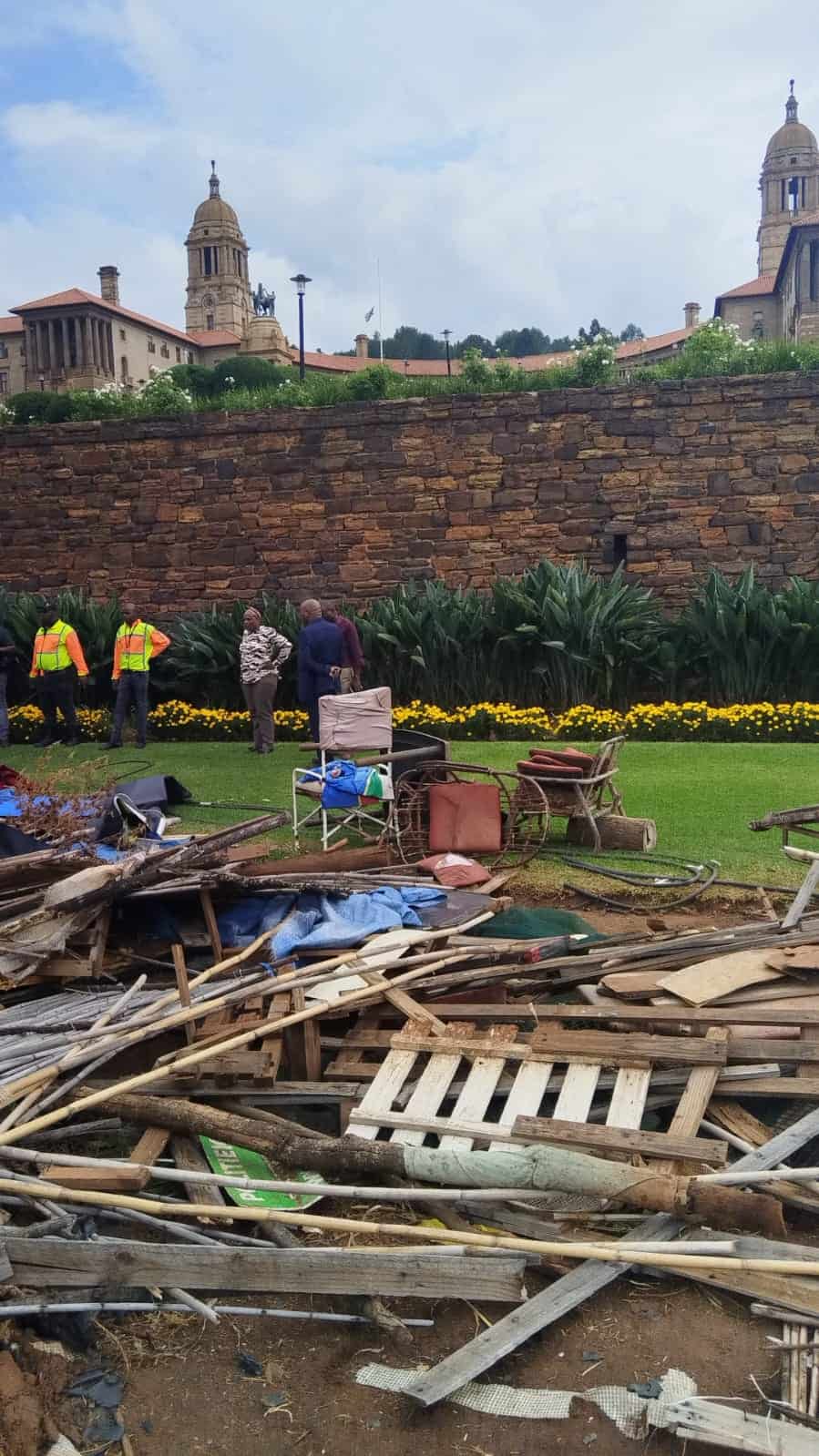
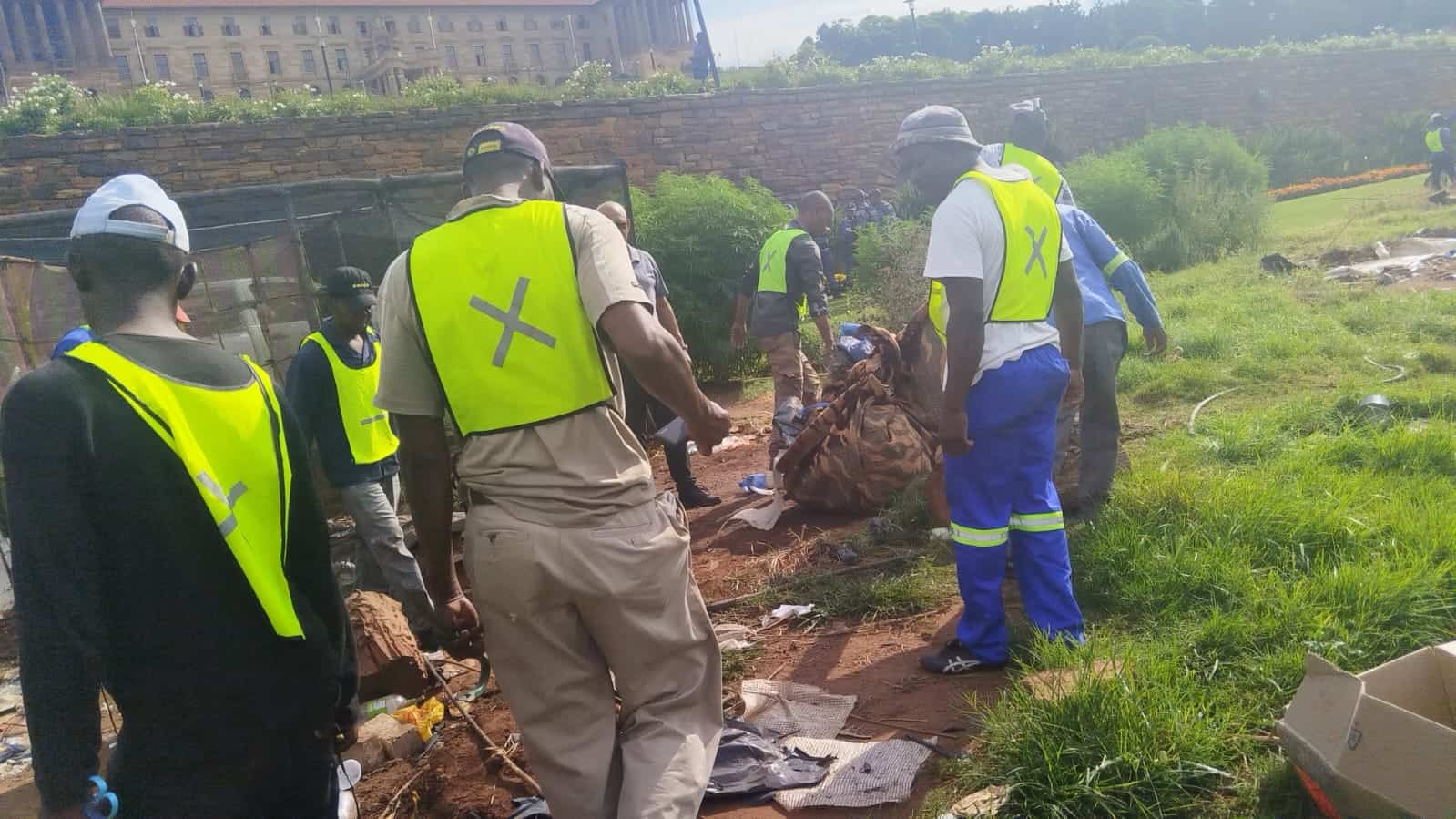
After nearly seven years of protesting, the Khoisan encampment at the Union Buildings was dismantled and removed by the Department of Public Works (DPW) on February 10.
This comes after the DPW obtained a court order from the Pretoria High Court approving the removal of the Khoisan members from the national key point. The protesters left the Eastern Cape on November 17, 2018, and arrived at the Union Buildings on December 5, 2018.
Since then, they have been the subject of much controversy over the years.
The original eviction was meant to take place on January 11; however, KingKhoisan SA and five others were involved in a car accident on the N9 between Colesberg and Noupoort on January 10, which claimed the life of Queen Khoisan Cynthia Triagaardt (54).
The DPW then extended the eviction notice for three weeks out of compassion for the Khoisan community.
A month later, the time had arrived for the order’s execution, and hundreds of police members arrived around 05:00 on February 10 to dismantle and remove the encampment.
The King maintained that the efforts taken by the government do not constitute a loss for the Khoisan, as their fight is far from over and their members’ struggles will not be in vain.
The Khoisan demands include first nation recognition, their language to be part of the country’s official languages, engagement with the government over land, and the coloured identity to be scrapped.
Baghdad Informal Settlement protests
Residents of the Baghdad Informal Settlement found themselves embroiled in continuous legal disputes with the Department of Public Works and Infrastructure (DPW) over the Salvokop Development Project. The project would see the demolition of the informal settlement to make way for a road linking Kgosi Mampuru Prison to Salvokop.
On March 7, residents and supporting organisations staged a large protest at the DPW offices.
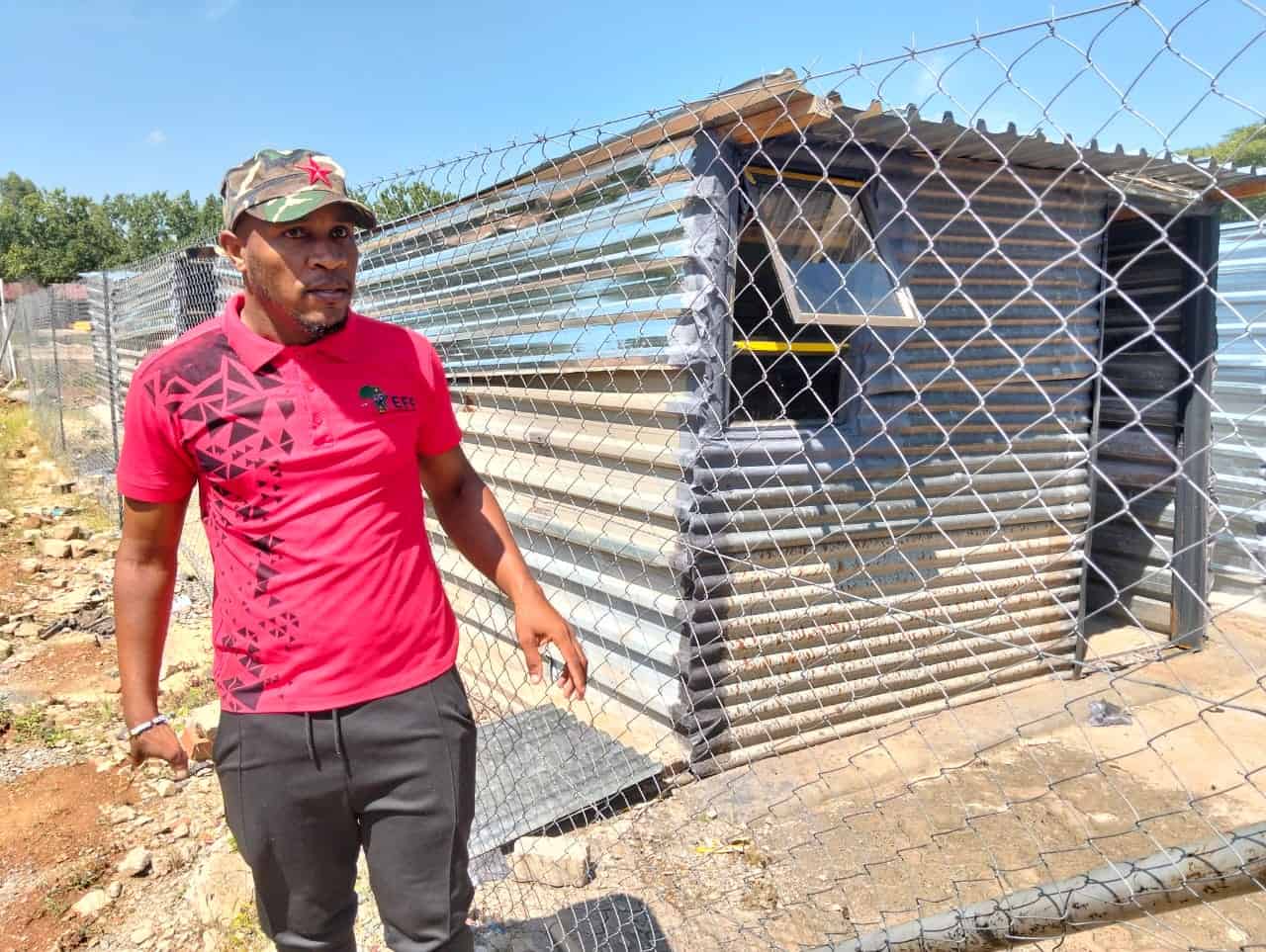
Though the construction has begun, Baghdad residents were adamant that they were staying put and should they be moved, it would be to adequate and formal housing only. Not too far from the informal settlement, the government has begun erecting homesteads out of zinc sheets for the residents to be relocated.
The community felt that these homesteads were not habitable for humans and didn’t even have windows.
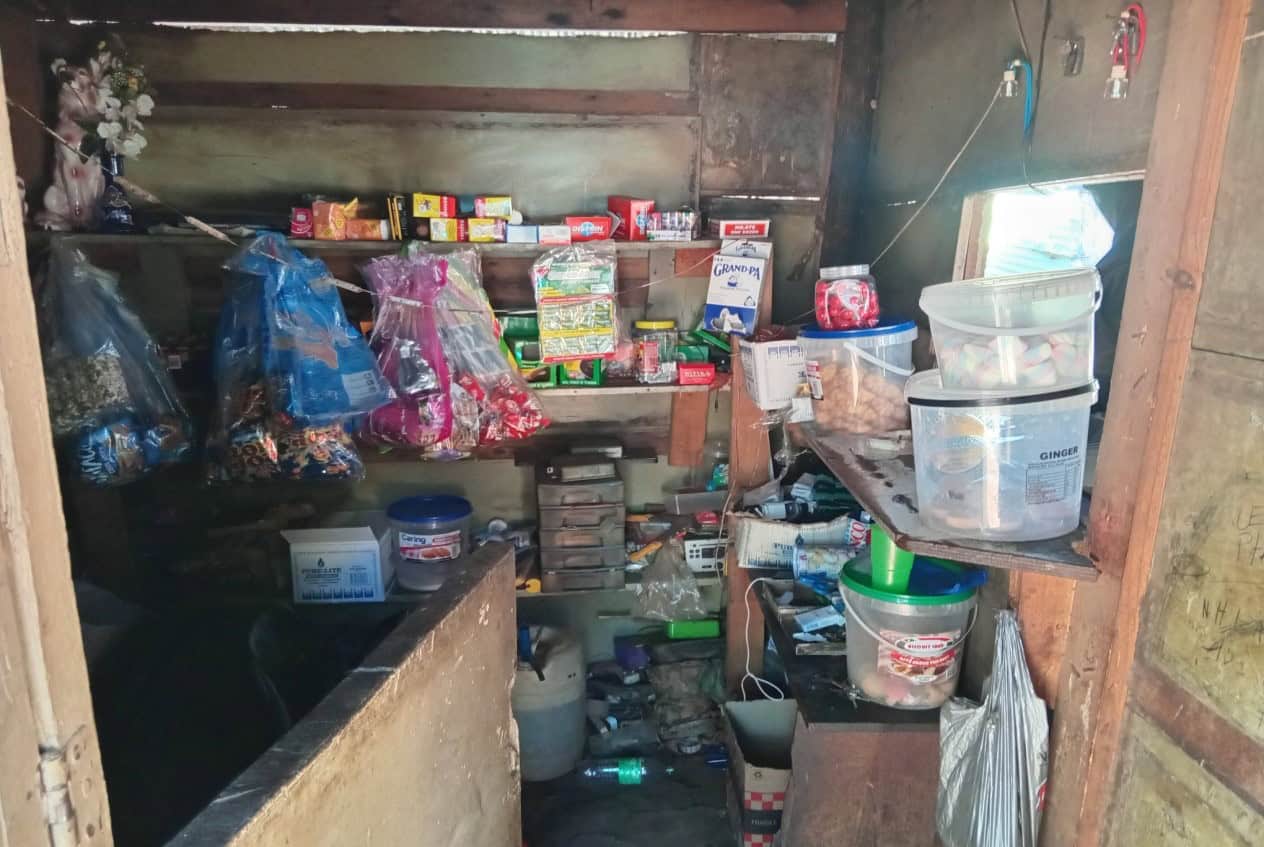
The disgruntled group handed over a memorandum of understanding to a department representative.
In the most recent update, in October, the South African Select Committee on Public Infrastructure said that the relevant departments involved with the Salvokop Development Project must honour their commitments to the precinct for the project to continue successfully.
The call was made on October 23, during the committee’s second day of oversight visits in Gauteng, which included an inspection of the Salvokop precinct site.
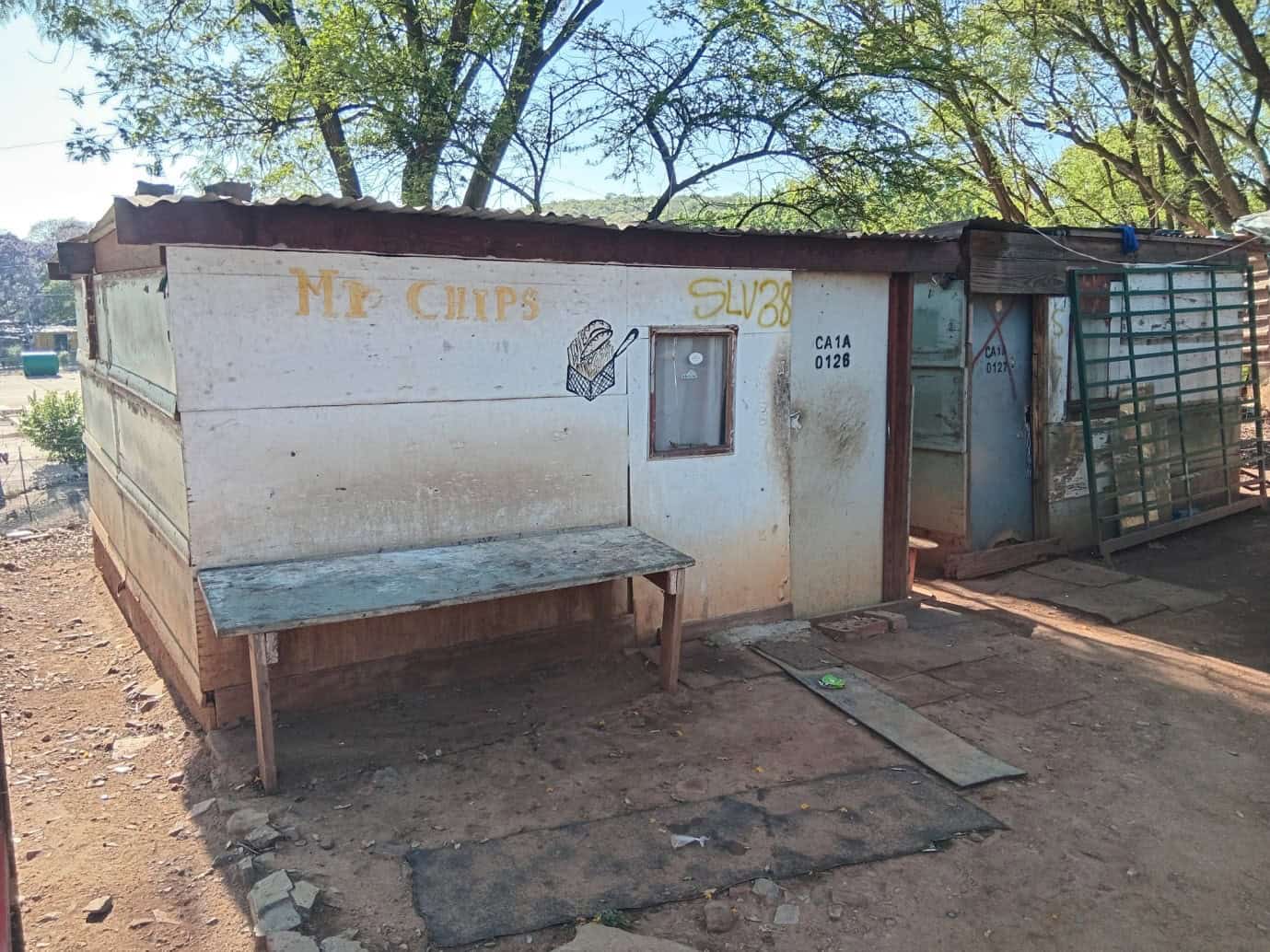
Committee Chairperson Rikus Badenhorst said the precinct tells a bigger story about what can be achieved when government invests with purpose, creating jobs, supporting SMMEs and transforming underused public land into a modern, functional space that works for people.
The Bad Buildings Mayoral Sub-Committee
One of the most talked and written about stories this year was the formation of the Bad Buildings Mayoral Sub-Committee in February.
Chaired by the MMC for Corporate and Shared Services, Kholofelo Morodi, the committee has been running weekly by-law operations in the CBD to address lawlessness within the area and clamped down on hijacked, abandoned, and derelict buildings.
Since its formation, the committee has leased, revitalised and identified several inner-city buildings, which form part of the metro’s larger economic revitalisation plans.
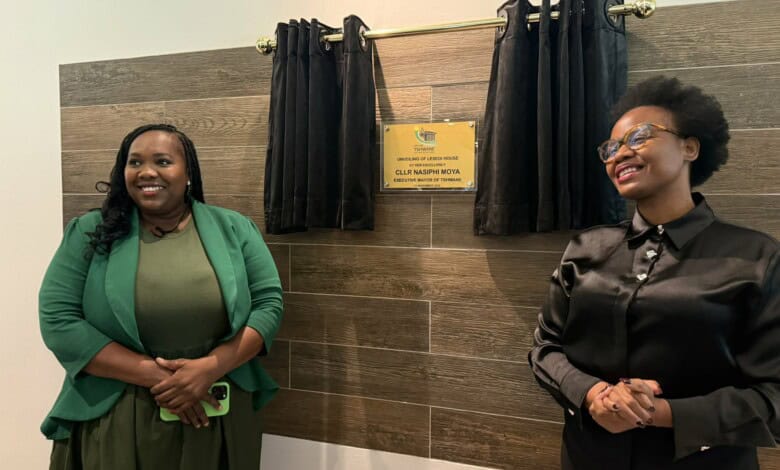
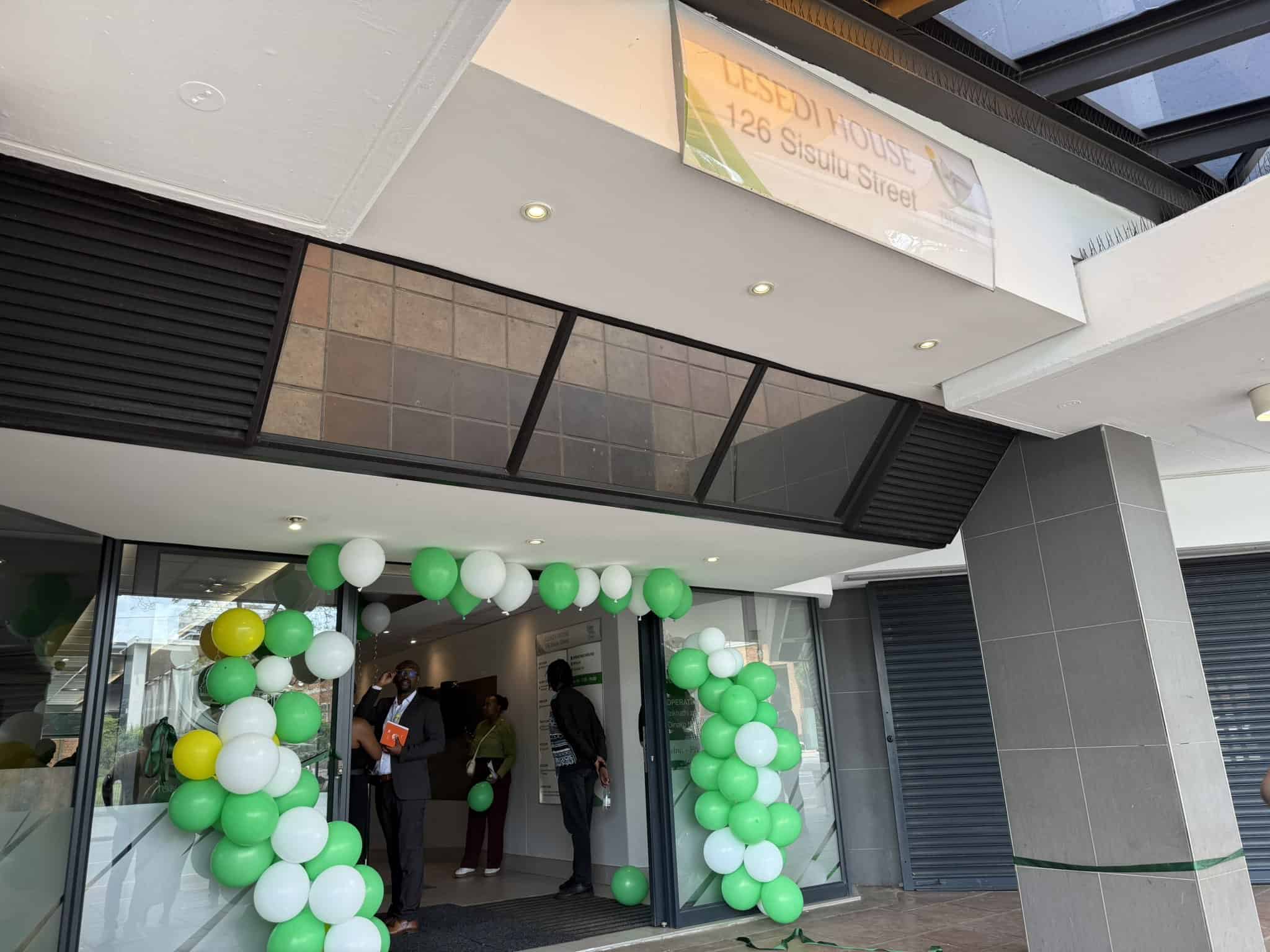
The sub-committee recently unveiled the refurbished Lesedi Building on Madiba Street in Pretoria Central.
This modernised eight-storey facility, with 88 underground parking bays, will now house the Water and Sanitation Department, the ICT Department, and Corporate GIS.
Do you have more information about the story?
Please send us an email to bennittb@rekord.co.za or phone us on 083 625 4114.
For free breaking and community news, visit Rekord’s websites: Rekord East
For more news and interesting articles, like Rekord on Facebook, follow us on Twitter or Instagram or TikTok or WhatsApp Channel