Fatal flora: What could harm your pets
Could a plant in your garden prove fatal to your dog or cat? Many homeowners have no idea. Here’s the essential guide to the toxic threats growing at home.
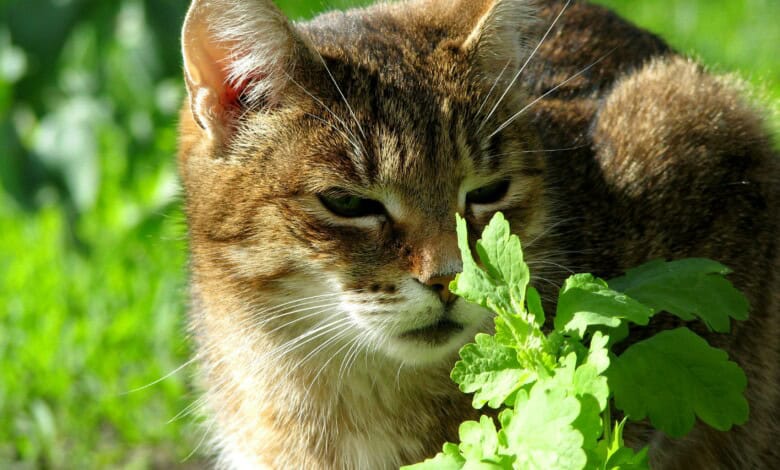
Many people are unaware of the dangers that lurk in their own gardens: toxic plants that can cause serious illness or be fatal to pets.
When moving to a new house with pets and small children, knowing what plants are in the garden can prevent a serious tragedy and many tears.
Curiosity killed the cat
Small children and pets are curious by nature and get up to all kinds of mischief when left to their own devices.
Why do some pets (cats, dogs) eat plants? The main reason could be because they feel nauseous, have gastrointestinal problems or have problems passing fur balls. Dogs, for example, will chew on grass. Maybe it is because it is lacking some nutrients. Or maybe it is just bored or curious (wagwalking.com).
Some plants can be toxic to humans and pets. According to gardenia.net, toxicity in plants is a defence mechanism against herbivores and pests. It’s to keep them from being eaten. All or only some parts of the plant can be dangerous to digest: petals, leaves, stems, roots, seeds and sometimes even the pollen.
With some plants, only swallowing a small part of the plant can be fatal. And in others, you will only get an allergic reaction or a rash.
According to gardenia.net, there are 4 levels of toxicity in plants:
Level 1 – Severe, can cause illness and death. Seek immediate medical attention if exposed, eg. azalea, broodboom, etc.
Level 2 – Minor, still dangerous to children and pets, causes diarrhoea, vomiting and gastrointestinal distress, eg. daffodil
Level 3 – Can cause irritation, pain, swelling and difficulty breathing, eg. begonia
Level 4 – Contact with these plants can cause rashes, dermatitis and allergic reactions. This can be managed by washing the affected area with soap and water, eg. Poison ivy
Some plants have multiple toxicity levels. For example, daffodils are severely toxic and can cause allergic reactions at the same time.
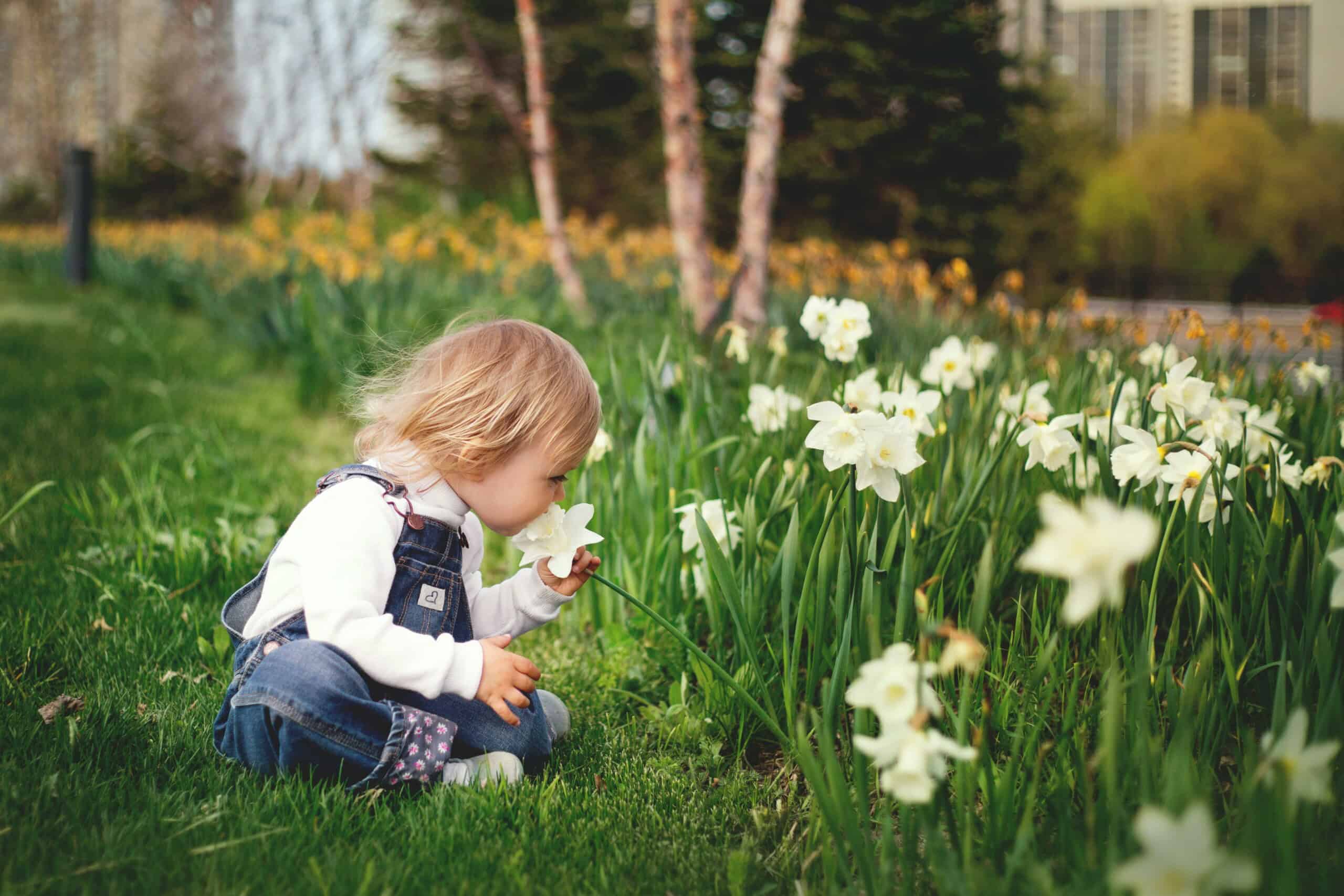
Here is a list of plants to keep in mind, avoid or keep out of reach of pets and children:
Azaleas and Rhododendron: Every part of this plant is highly toxic; handle with care. Symptoms: nausea, vomiting, excessive salivation, watering eyes and nose, abdominal pain, breathing difficulties and paralysis. Severe cases: heart attack or coma
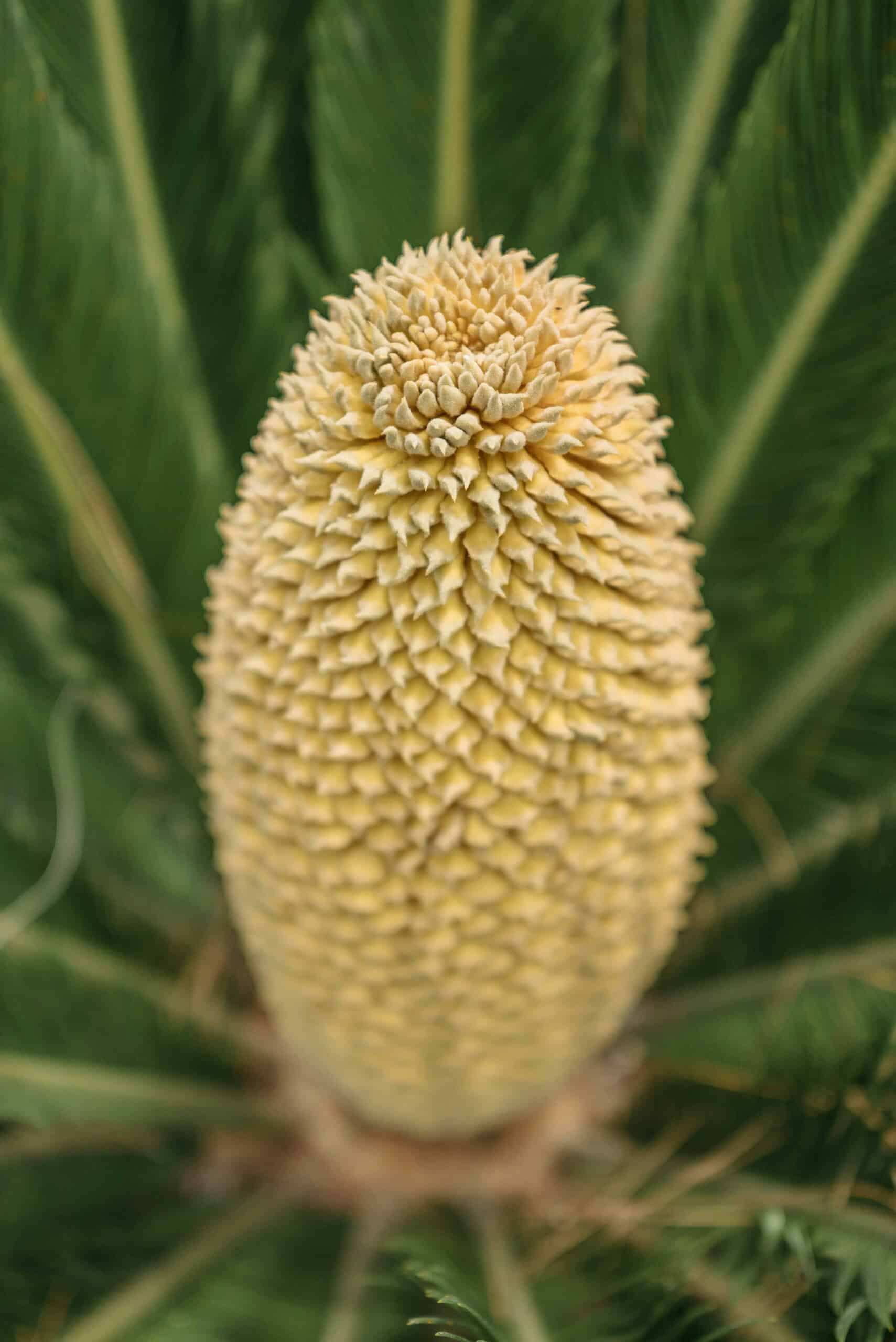
Broodboom/cycad: According to landbou.com, the whole plant is toxic, especially the seeds. The seeds contain a large amount of the cycasin toxin – a carcinogenic and neurotoxic glucoside. It will cause the animal to cough up blood, have bloody diarrhoea, vomit and inflammation of the intestine.
The director of Pretoria Dog Rescue, Celia van Zyl, said they have many cases of dogs coming in after ingesting a poisonous plant, and many times it ends in tragedy.
“By the time it shows symptoms, it is often too late to save the animal.
“We had a case the other day when a five-year-old dog was brought in who ate some of the seeds of a broomboom/cycad. We tried everything to save it, but unfortunately, we could not save the dog.”
Van Zyl said when they do home inspections for possible adoptions, and notice a cycad in the garden, they won’t allow the adoption to go through.
Every part of a broomboom is toxic, she adds. She advises people to cut the seeds off or to remove the plant.
“It’s a terrible death for a dog to suffer. Eating the seeds affects the nervous system, can cause it to have diarrhoea and organ failure. The symptoms are the same as canine distemper.”
Puppies often chew on the leaves. If you see your dog chewing on something that could be toxic to them, give them activated charcoal to cause them to throw up.
Many toxic plants in people’s gardens can harm dogs, according to Van Zyl. Besides cycads, the coral tree and desert rose succulent/vetplant are extremely toxic to dogs.
She advises homeowners to research which plants in their garden are toxic to dogs and to either remove them or keep them out of their reach.

To check if a plant is toxic or not, go to www.aspca.org/pet-care/animal-poison-control/toxic-and-non-toxic-plants.
According to landbou.com, the seeds and leaves are unfortunately very tasty for dogs, and they will eat the plants and seeds if given access. Especially young dogs chew on everything.
Castor bean plant: Castor oil is extracted from the castor bean. The seeds are highly poisonous as they contain ricin. It is also found in most household products.
Desert rose (echeveria) succulent: All parts are toxic. Symptoms: slow heartbeat, low blood pressure, lethargy, dizziness and upset stomach. Severe: Cardiac arrest.
Lilies: Extremely toxic to cats. Symptoms: vomiting, lethargy. Severe symptoms: kidney failure and death. Immediate medical intervention is required.
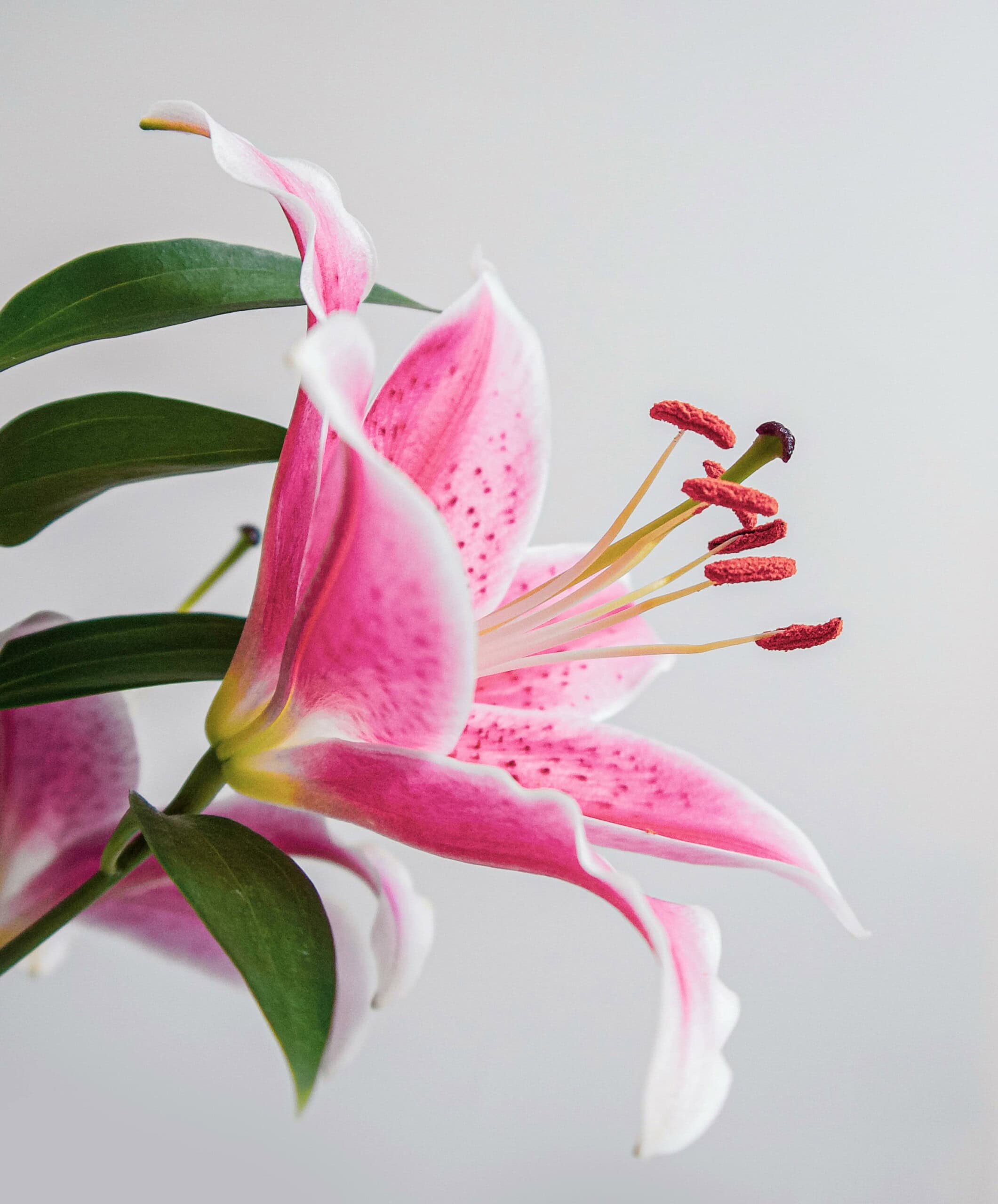
According to Cindy du Preez at Bakenkop Animal Clinic, the pollen of lilies is especially lethal. “Even a tiny amount (licking pollen off fur or chewing one leaf) can cause sudden, acute kidney failure.”
The toxins in lilies (still not fully identified) target the renal tubular cells in the kidneys.
These cells die quickly after ingestion, which leads to:
– Loss of ability to filter waste
– Fluid and electrolyte disturbances
– Build-up of toxins in the bloodstream, which eventually leads to irreversible kidney failure.
Dogs do not react as strongly to lilies, but can still develop gastrointestinal symptoms such as vomiting and lethargy.
Du Preez advises to rather remove the lilies or cycads from your garden to be safe.
Oleander: all parts are dangerous. Symptoms: nausea, vomiting, stomach ache, dizziness, slowed or irregular heartbeat, bloody diarrhoea, dilated pupils, drowsiness. Severe cases: depression or death. Sap can cause skin irritation. Even small amounts can cause fatal cardiac arrest.
Daffodil/narcissus: All parts are toxic. Symptoms: nausea, vomiting, abdominal pain, diarrhoea, drooling. Sap can cause skin irritation. Severe cases: tremors, seizures or increased heart rate.
Tulip: The bulb is the most toxic part. Symptoms: severe vomiting, diarrhoea, profuse drooling and burns to the mouth (vcahospitals.com).
Geranium: While the plants are toxic to dogs and cats, the oil is safe. Symptoms: vomiting, dermatitis, depression.
Begonia: Mildly toxic to humans, cats and dogs. The underground roots are the most toxic. Symptoms: excessive salivation, rash
Poison ivy: Causes severe rashes that are very itchy, redness and swelling, and blisters. Severe cases: oozing when blisters break open. Rash can last 1–3 weeks. Wash your skin with water and soap, and take oral antihistamines. Apply cold, damp cloths. Don’t scratch!

Did you know?
The mistletoe is actually toxic. It can cause nausea and vomiting, a weak pulse, slow your heart rate and even cause seizures.
According to www.webmd.com, the type of mistletoe that makes its appearance during the holiday season is Phoradendron serotinum, or the American mistletoe. This species grows in North America but is sold around the world. But it is the European mistletoe that is highly toxic. Deaths are rare, though.
The Cape mistletoe is indigenous to South Africa.
So, think twice about decorating your house with this plant…
Keep these pet-friendly plants in your garden: catnip, petunia, sunflowers (entire plant is safe to eat), rosemary, camelia, marigolds, hibiscus, fuchsias (entire plant is safe to eat), spekboom, cosmos (entire plant is safe to eat), and the bottlebrush, except the buckeye bottlebrush, which is toxic to pets.
Sources:
- https://www.webmd.com/first-aid/mistletoe-poisoning
- https://www.gardenia.net/guide/poisonous-flowers-plants-toxic-beauty-in-your-garden
- https://www.landbou.com/kundiges/vra-vir-faffa/broodboomvergiftiging-in-honde-20200930
- www.aspca.org/pet-care/animal-poison-control/toxic-and-non-toxic-plants
- https://vcahospitals.com/shop/home/articles/top-10-toxic-household-plants-for-pets