Farming initiative offers new lifeline to vulnerable metro residents
A community organisation in the north-western region is using farming skills to keep children off the streets and help restore dignity among the vulnerable.
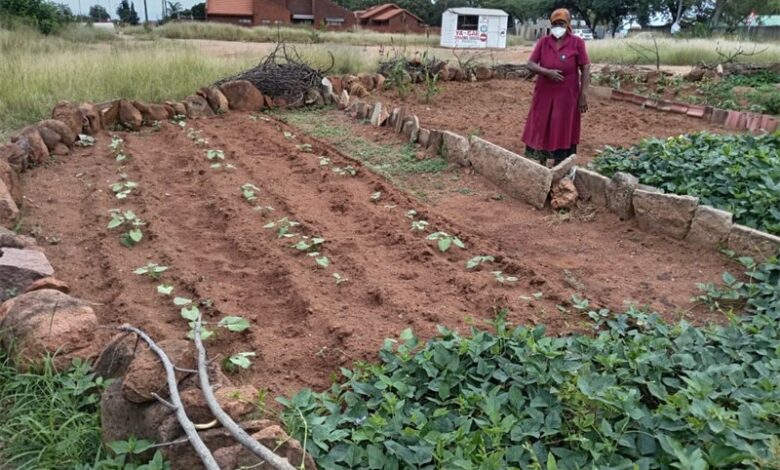
An emerging community-based organisation is using agriculture as a tool to empower young people, fight crime and restore dignity among vulnerable residents in the north-western region of the metro.
Tshego Helping Hands, founded in 2020, is steadily positioning itself as a grassroots response to homelessness, youth unemployment, and social neglect.
The organisation was established after its founders noticed a growing number of homeless people and vulnerable children living on the streets in their community.
According to co-founder Tshego Moeletsi, many families are struggling to survive on limited social grants, leaving children exposed to crime, substance abuse, and life on the streets.
“I established Tshego Helping Hands after noticing that we have homeless people around our area who need help, and children whose families depend on Sassa money, which is not enough to take care of them.
“We realised that something had to be done at community level,” said Moeletsi.
Tshego Helping Hands focuses primarily on youth and elderly people, with a mission centred on removing children from the streets and preventing crime through positive social intervention.
One of the organisation’s key strategies is community farming, which is used both as a skills-development platform and a means of keeping young people productively occupied.
“The core mission of Tshego Helping Hands is to take kids off the streets and avoid crime in our society.
“That is why we support them and involve them in farming activities, so they are busy with something positive and learn skills that can change their lives,” explained Moeletsi.

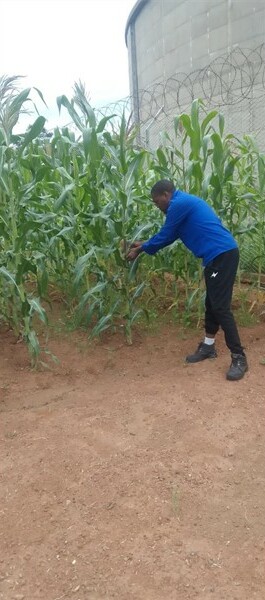
The organisation operates mainly in the north-western region, and relies heavily on community involvement to identify people in need.
Members often assist homeless individuals found on the streets or locate families living in abandoned or ghost houses.
“When we see a homeless person around our area, we go all out to help them.
“Sometimes we check empty houses because that’s where we find people who need support but are invisible to many.”
Although Tshego Helping Hands has not yet hosted its own major outreach events, the organisation has focused on building relationships with key stakeholders to strengthen its impact.
These include partnerships with community-based organisations and institutions in Soshanguve, such as Green Door and CPFs.
“We have built relationships with organisations around Soshanguve so that when we have cases, we know where to take people for help.
“We are also engaging with the Department of Agriculture, which is willing to assist us in developing our farming project,” she said.
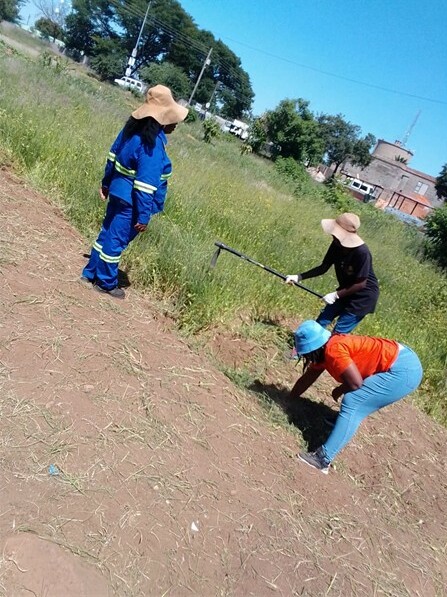
The farming initiative is central to the organisation’s long-term vision. By developing a fully functional farm, Tshego Helping Hands hopes to remove homeless people from the streets, create employment opportunities, and contribute to fighting unemployment in the community.
“We want to see ourselves having a funded farm and making a difference in society by employing people. That is how we believe real change will happen.”
Despite its ambitions, the organisation faces challenges, particularly a lack of resources.
Currently, Tshego Helping Hands relies on donations from community members and well-wishers to carry out its work.
“Truly speaking, we don’t have enough resources. We always ask people around us to assist where they can,” admitted Moeletsi.
The organisation currently has a team of 10 volunteers, both men and women, who assist with outreach and support activities.
Moeletsi serves as the co-founder and plays an active leadership role in co-ordinating initiatives and partnerships.
Do you have more information about the story?
Please send us an email to bennittb@rekord.co.za or phone us on 083 625 4114.
For free breaking and community news, visit Rekord’s websites: Rekord East
For more news and interesting articles, like Rekord on Facebook, follow us on Twitter or Instagram or TikTok or WhatsApp Channel