Metro claims job growth of 33%
The growth has surged massively in the informal economy following a new by-law, but economists say it merely recognises jobs that were already there.
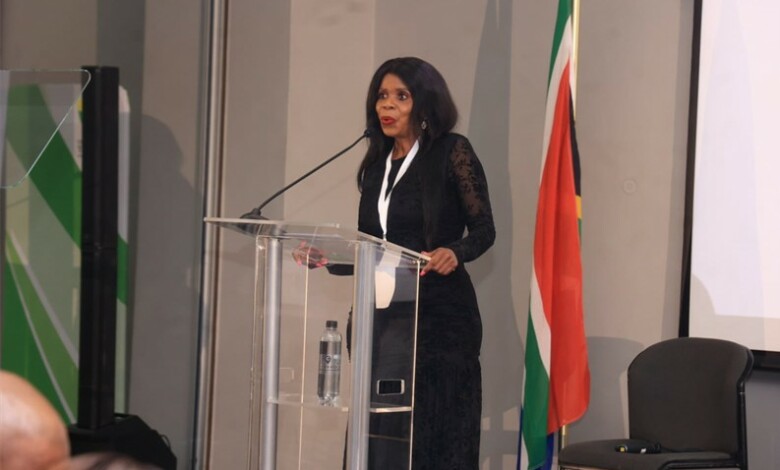
Pretoria’s informal economy has expanded by 33% in just one year, adding an estimated 57 000 livelihoods, following the approval of a new by-law, according to the metro.
The by-laws are aimed at strengthening township and informal businesses.
MMC for Economic Development and Spatial Planning Sarah Mabotsa said the growth highlights the central role the informal economy plays in tackling unemployment and restoring economic dignity.
“The informal economy is not peripheral to development, it is central to it,” Mabotsa said.
“At the final council meeting of 2025, council approved a new by-law to actively support and grow the informal and township economies.”
Mabotsa said that according to StatsSA, participation in Pretoria’s informal economy increased from 174 000 people in September 2024 to 231 000 in September 2025.
She said the newly approved Informal Trade and Township Economy By-law allows the metro to better regulate, support and grow informal trading while prioritising South African citizens where trading opportunities are limited.
“The by-law provides for preferential allocation of trading spaces in line with Section 9(2) of the Constitution, which seeks to advance those historically disadvantaged by unfair discrimination.”
Mabotsa emphasised that it also broadens the definition of informal trade to include spaza shops, home-based enterprises, township businesses, flea markets, mobile traders, and container-based operations.
She further said that in addition, the legislation outlines traders’ rights and responsibilities, including food safety standards, while committing the metro to improved infrastructure, training, regulation and fair enforcement.
“Joblessness remains one of the greatest challenges in our townships and rural areas. Strengthening the informal economy is essential to restoring income, dignity and opportunity,” Mabotsa said.
She said nationally, the informal economy employs nearly one in five South Africans, providing critical income opportunities, particularly for women and young people.
She thanked residents who support local businesses and informal traders across the city.
“You are building Tshwane’s economy from the ground up,” she said.
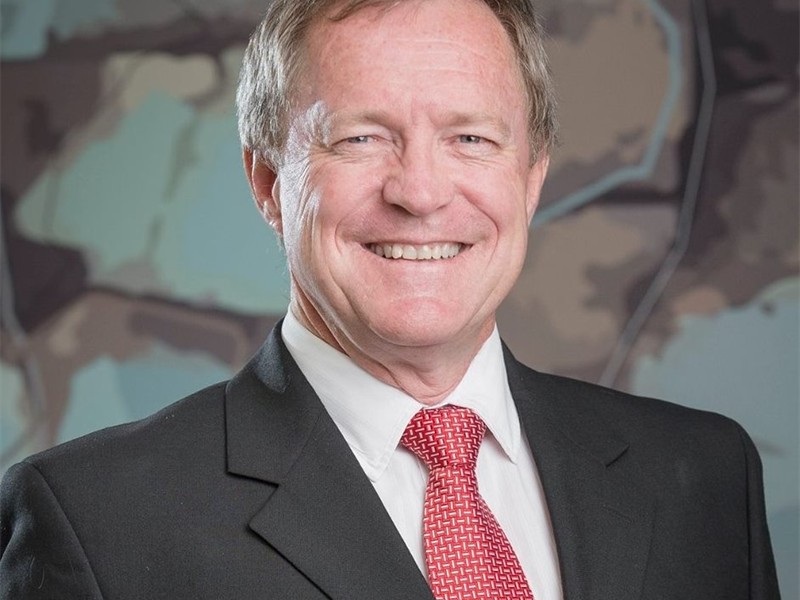
However, economist Dawie Roodt cautioned against framing the growth as the creation of new jobs.
“I think the reality is that no new jobs were created. These jobs were there all along and have now simply been recognised,” Roodt said.
“Calling it job creation is not accurate. It is more a formalisation or acceptance of reality.”
Roodt said the expansion of the informal sector should also be viewed as a symptom of deeper structural problems in the formal economy.
“The reason we have such a big informal sector is because the formal sector is not doing well enough,” he said.
“Most people in the informal economy would move to the formal sector immediately if given the opportunity.”
While he welcomed efforts to support informal traders, Roodt warned that municipalities should be cautious about claiming credit for growth driven largely by economic necessity.
“It’s not bad news, but I think the city has taken far too much credit for something that reflects broader weaknesses in the economy,” he said.
Do you have more information about the story?
Please send us an email to bennittb@rekord.co.za or phone us on 083 625 4114.
For free breaking and community news, visit Rekord’s websites: Rekord East
For more news and interesting articles, like Rekord on Facebook, follow us on Twitter or Instagram or TikTok or WhatsApp Channel