Clean water finally flows as Hammanskraal Treatment Plant nears completion
Hammanskraal residents are starting to see relief as clean drinking water flows to several areas following the technical completion of the Klipdrift Water Treatment Plant. This marks a key step toward resolving the long-running water crisis in the area.
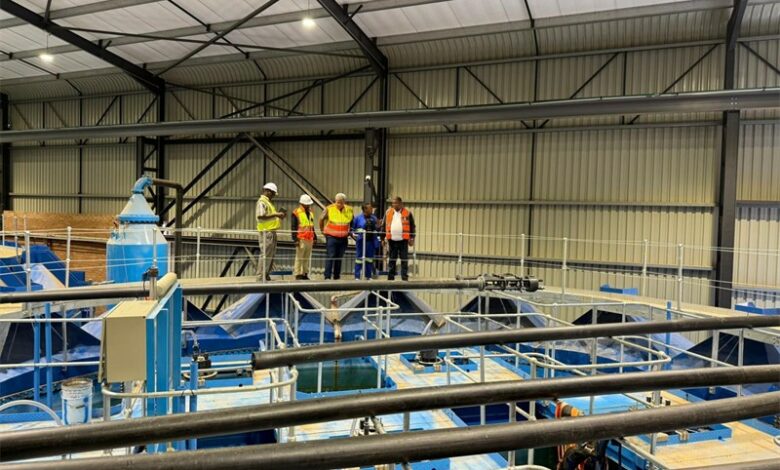
After years of unsafe, unreliable water supply, Hammanskraal residents are beginning to see long-awaited progress as clean drinking water flows into several areas following the technical completion of the Klipdrift Package Water Treatment Plant.
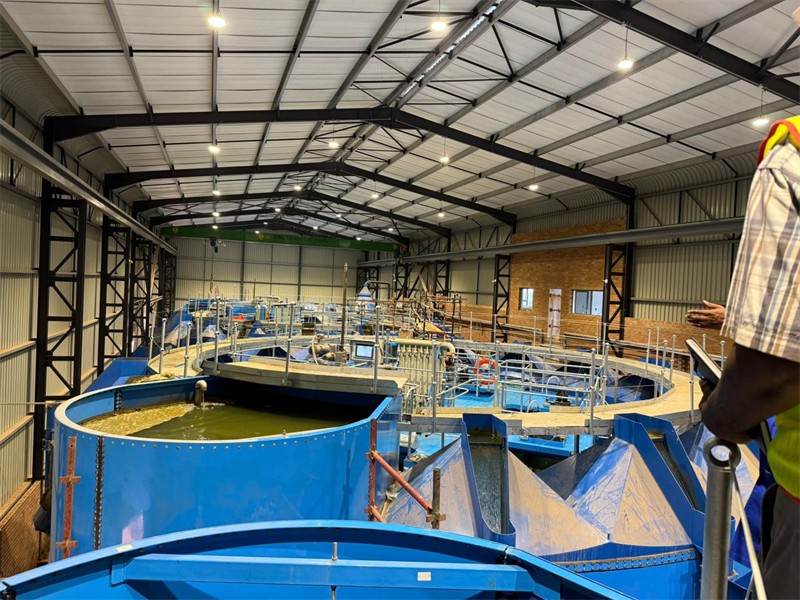
The Tshwane metro has confirmed that the main construction phase of the plant, implemented by Magalies Water and funded by the Department of Water and Sanitation, has been completed.
While the system is not yet fully commissioned, the milestone marked a step toward restoring a stable and safe water supply to one of the metro’s most affected communities.
The Tshwane Mayor, Dr Nasiphi Moya, said the completion of the construction phase represents a turning point in addressing Hammanskraal’s prolonged water crisis, even as residents continue to experience intermittent supply challenges during the stabilisation period.
“This is an important step forward in improving water supply to Hammanskraal. While the plant is technically complete, work is still underway to fully commission and energise the system and integrate it into the metro’s water supply network.
“We recognise the frustration, inconvenience and uncertainty residents are experiencing, and we take these concerns seriously,” said Moya.
Several areas are already benefiting from clean drinking water produced by the Klipdrift plant.
These include Marokolong, Ramotse, Babelegi Industrial Park, Mandela Village, Kekana Gardens, and Temba Units 1, 2, 3, 6, D, and Unit 10.
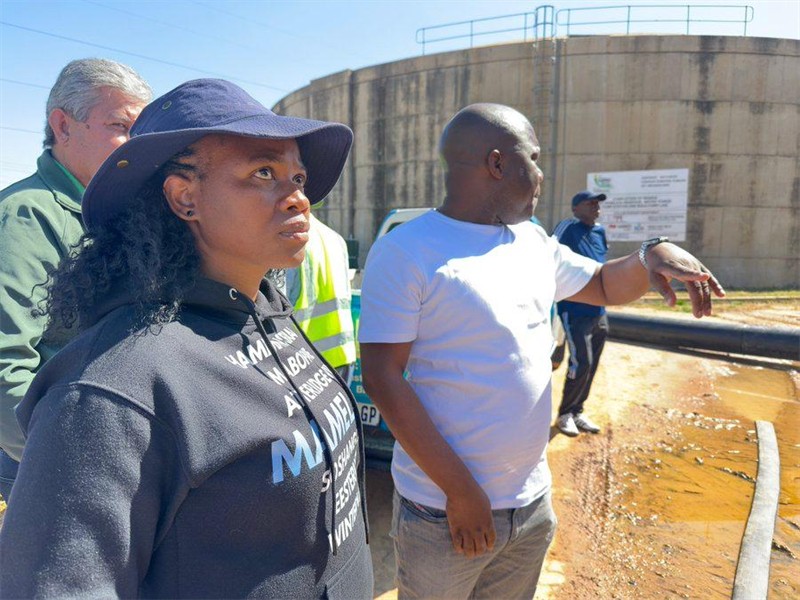
According to the metro, water supplied to these areas meets the SANS 241:2015 drinking water quality standard.
Moya emphasised that while water quality in these areas is compliant, supply may still fluctuate as the system continues to stabilise.
“This milestone is about restoring confidence in the water being supplied to Hammanskraal.
“Although there may be interruptions as the system settles, residents in these areas are now receiving water that is safe to drink,” she said.
For residents, the improvement in water quality has brought a sense of cautious relief after years of relying on bottled water or tankers.
“I can finally open my tap and not worry about the colour or smell of the water.
“We have suffered for a long time, so even though the water doesn’t always come, knowing that it’s clean when it does makes a big difference for my family,” said Sarah Mothapo, a resident of Temba Unit 2.
The situation remains challenging in other parts of Hammanskraal, as areas such as Mandela Park, Kanana and parts of Majaneng continue to experience short and intermittent water interruptions.
The metro has attributed these disruptions to the ongoing transition from the Temba Water Treatment Plant to the Klipdrift system. Other possible causes include occasional power outages at the plant, seasonal changes, and increased water demand driven by the growing number of informal dwellings and backyard structures.
“These factors place additional pressure on the system during this critical stabilisation phase,” said Moya.
To reduce the impact on residents while integration work continues, the municipality has maintained roaming water tankers across Hammanskraal.
The tankers are co-ordinated by the Water and Sanitation Business Unit in collaboration with ward councillors and community representatives to prioritise affected households and essential facilities such as clinics and schools.
For some residents, tankers remain a lifeline, even as hopes rise that they will soon no longer be necessary.
“We still depend on the tankers because the water cuts come without warning,” said Thabiso Kekana from Kanana.
In parallel with water treatment operations, the metro is constructing critical supporting bulk infrastructure, including pump stations and clear-water storage facilities.
These components are essential to ensure that treated water from Klipdrift flows effectively into the municipal distribution network.
Although these projects are at an advanced stage, the metro cautioned that full operational stability will only be confirmed once the system is fully integrated and tested under varying conditions, including peak demand and adverse weather.
Moya said the metro will continue to work closely with Magalies Water as the implementing agent and will provide regular updates as key stabilisation milestones are achieved.
“The metro remains committed to meeting its municipal responsibilities, protecting public health, and delivering a stable, reliable and safe water supply through transparent and ongoing communication.”
Do you have more information about the story?
Please send us an email to bennittb@rekord.co.za or phone us on 083 625 4114.
For free breaking and community news, visit Rekord’s websites: Rekord East
For more news and interesting articles, like Rekord on Facebook, follow us on Twitter or Instagram or TikTok or WhatsApp Channel