Overcrowding is pushing power system to breaking point, East Lynne and Jan Niemand Park residents warn
The repeated electricity outages are being driven by illegal building and overcrowded rental properties, the residents claim. They warn that substations designed for suburbs with single-family homes cannot cope with the heavier loads.
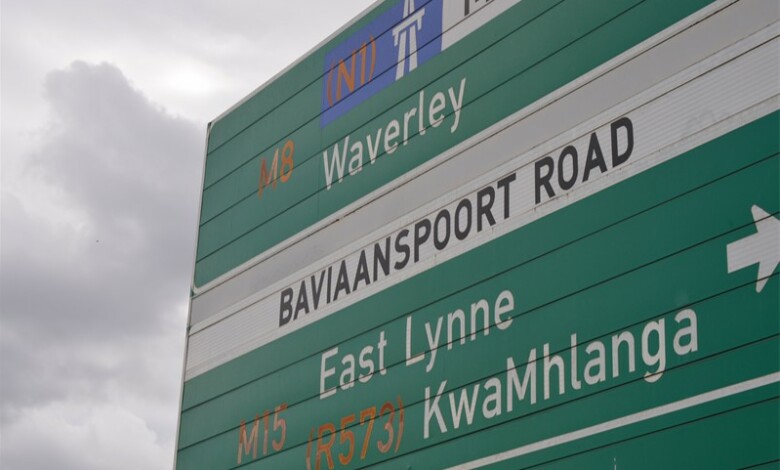
Residents in East Lynne and Jan Niemand Park say ongoing electricity outages in Ward 52 are no longer just an inconvenience, but a warning sign of deeper problems linked to alleged illegal building and overcrowding in the area.
Community members believe that unlawful multi-tenant rentals are placing excessive strain on ageing electrical infrastructure, contributing to repeated power failures and safety risks.
“I am sure if they start with checking the illegal buildings on properties and the number of people living on one plot, a few problems around outages will be resolved. The infrastructure is not designed to carry this extra load,” said one resident.
A meeting was held on January 15 in the Community Hall in Stegmann Street to discuss the recent outages, possible solutions and illegal buildings.
Some of the concerns centre on properties in Stegmann, Swaan and Meeu streets, where residents allege some plots house more than 20 tenants.
According to residents, these properties have been extensively altered, most probably without proper approvals and are operating as informal rental hubs in areas zoned for single-family homes.
They argue that the increased electricity demand from overcrowded dwellings is overwhelming local substations that were never designed to carry such heavy loads.
“Every time the power trips or a transformer blows, residents are the ones left in the dark, while illegal buildings continue operating as if nothing is wrong,” said one resident, who asked not to be named for fear of intimidation.
“You cannot squeeze dozens of people into houses meant for one family and not expect the system to collapse.”
The metro has confirmed that specific properties in the area are under investigation and that these properties are not legally permitted to operate as multi-tenant accommodation.
Metro spokesperson Lindela Mashigo said the metro is also aware of residents’ concerns and is enforcing building and zoning regulations where violations are identified.
“The City of Tshwane takes issues of illegal construction, overcrowding and non-compliance very seriously, particularly where they may pose risks to public safety or infrastructure,” Mashigo said.
According to the metro, properties under investigation in Ward 52 are zoned as Residential 1, a zoning category which does not allow multi-tenant occupancy.
Residents say the consequences are being felt across the neighbourhood, with frequent power interruptions, tripping substations and concerns about fire hazards caused by overloaded circuits and illegal connections.
Mashigo said while the metro understands residents’ frustrations, electricity outages cannot automatically be attributed to individual properties without technical assessments.
“Electricity infrastructure is impacted by a range of factors, including load, maintenance issues and network faults,” he said.
“However, illegal building and overcrowding do place additional strain on municipal services, which is why compliance with zoning and building regulations is critical.”
Residents have also raised concerns about how extensive renovations and extensions were allegedly carried out without intervention on several properties. The metro has denied that municipal inspectors approved any such work.
“No municipal building inspectors were involved in approving renovations or extensions on these properties,” Mashigo said. “There are no records of approvals because no approvals were granted.”
Allegations have also surfaced that inspectors may have accepted bribes to overlook illegal structures. Mashigo said such claims must be formally reported to allow proper investigation.
“Any allegations of corruption must be reported in writing to the Building Control Section or through the city’s fraud hotline,” he said. “This enables the city to investigate thoroughly and take action where misconduct is proven.”
The metro has outlined enforcement steps already taken in connection with properties inspected, like contravention notices being issued for buildings without approved plans. Failure to comply with the prescriptions on the notices will result in prosecution.
Mashigo said the metro follows a structured enforcement process to ensure accountability.
“Building inspectors issue contravention notices whenever illegal works or unsafe alterations are identified, either through routine inspections or public complaints,” he said. “If owners fail to comply, matters are escalated through legal channels.”
Mashigo urged residents to continue reporting suspected illegal building and overcrowding.
“Community co-operation is essential in helping the city protect infrastructure and ensure that regulations are applied fairly and consistently,” he said.
DA councillor Anru Meyer said that when more than the allowable number of people and dwelling units are placed on a single property, problems inevitably arise for neighbours, the street and the surrounding infrastructure.
“Illegal building and overcrowded properties are becoming an increasingly serious problem in the Moot because everything comes under strain: sewerage, electricity, water and traffic,” Meyer said.
He explained that when a rezoning application is submitted to the metro to extend development rights, as in cases like these, and if it is approved, a bulk infrastructure contribution is usually required.
“This financial contribution allows the metro to expand infrastructure so it can cope with the increased demand created by higher densities,” Meyer said.
According to Meyer, when the metro is unaware of illegal structures, the system cannot absorb the pressure.
“No planning can be done in advance, and suddenly a neighbourhood is burdened with more residents, extra machinery or appliances and related activities,” he said. “The infrastructure will simply give way.”
Do you have more information about the story?
Please send us an email to bennittb@rekord.co.za or phone us on 083 625 4114.
For free breaking and community news, visit Rekord’s websites: Rekord East
For more news and interesting articles, like Rekord on Facebook, follow us on Twitter or Instagram or TikTok or WhatsApp Channel