Hundreds join hands to tackle invasive pompom weeds in the Groenkloof nature reserve
Pompom weed, originally from South America has spread rapidly across South Africa grasslands and wetlands since the 1960s.
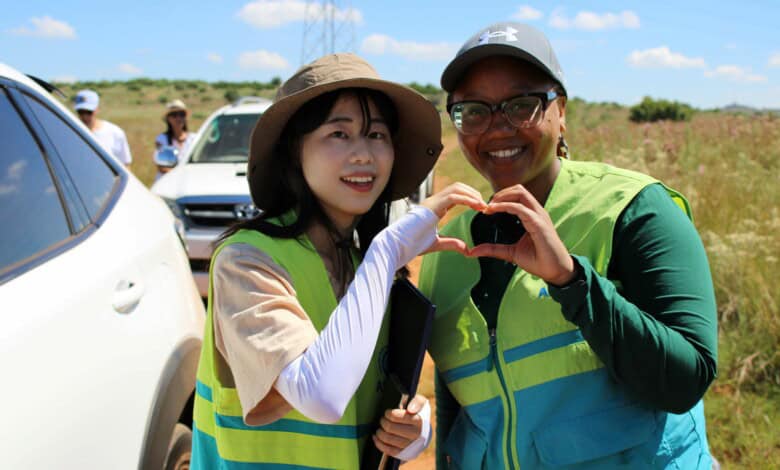
On February 8, the Groenkloof Nature Reserve was buzzing with activity as the Friends of the Groenkloof and Klapperkop, together with enthusiastic volunteers from Save the Earth from A to Z – We Are One (ASEZ-WAO), and Nature Conservation representatives came together for a major clean-up aimed at stopping the spread of invasive pompom weed.
Angelique Geeringh from Friends of the Groenkloof and Klapperkop Nature reserves said that – armed with gloves, determination, plenty of teamwork – the group spent the morning cutting off the flowering heads of the pink pompom weeds and placing them in rubbish bags.
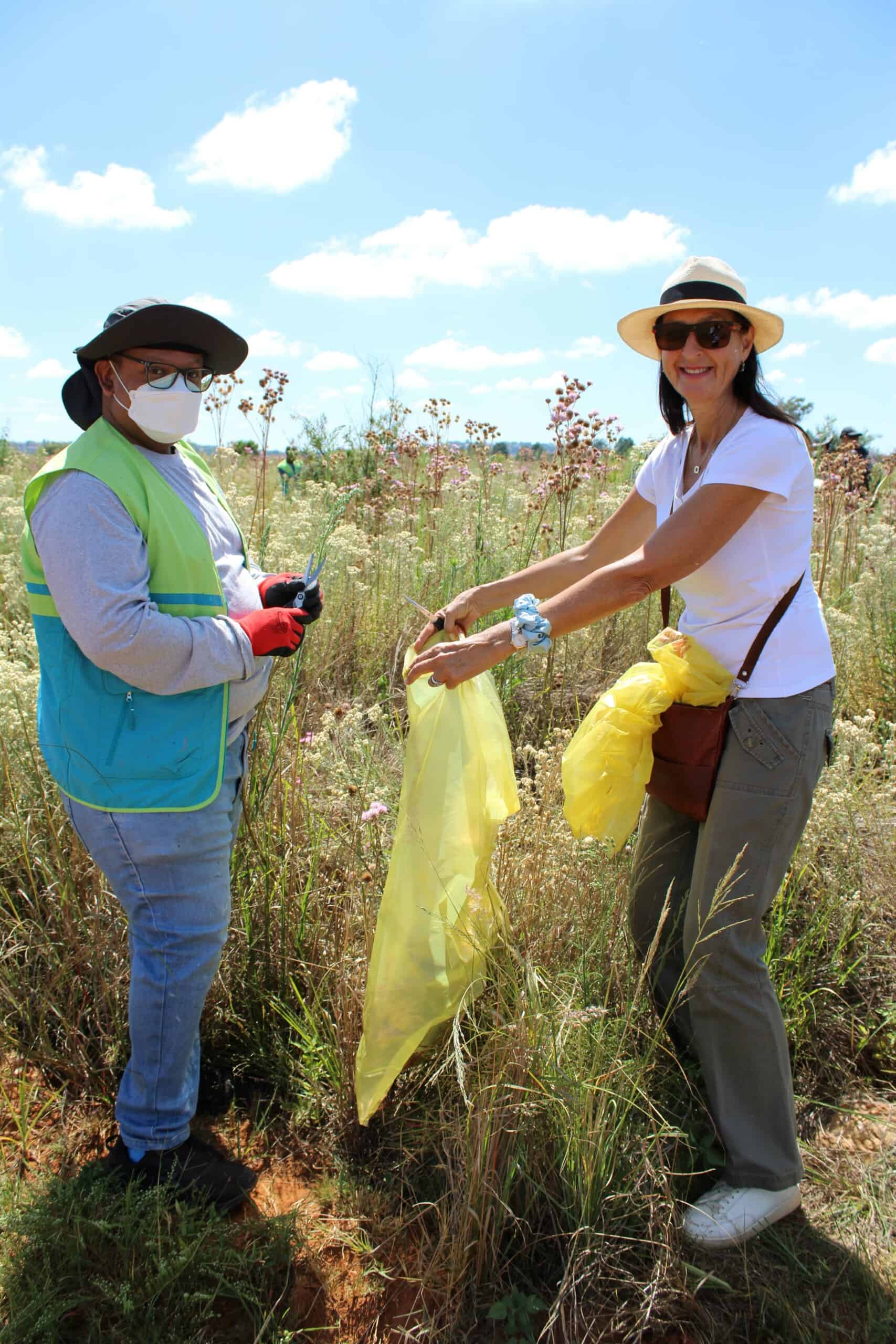
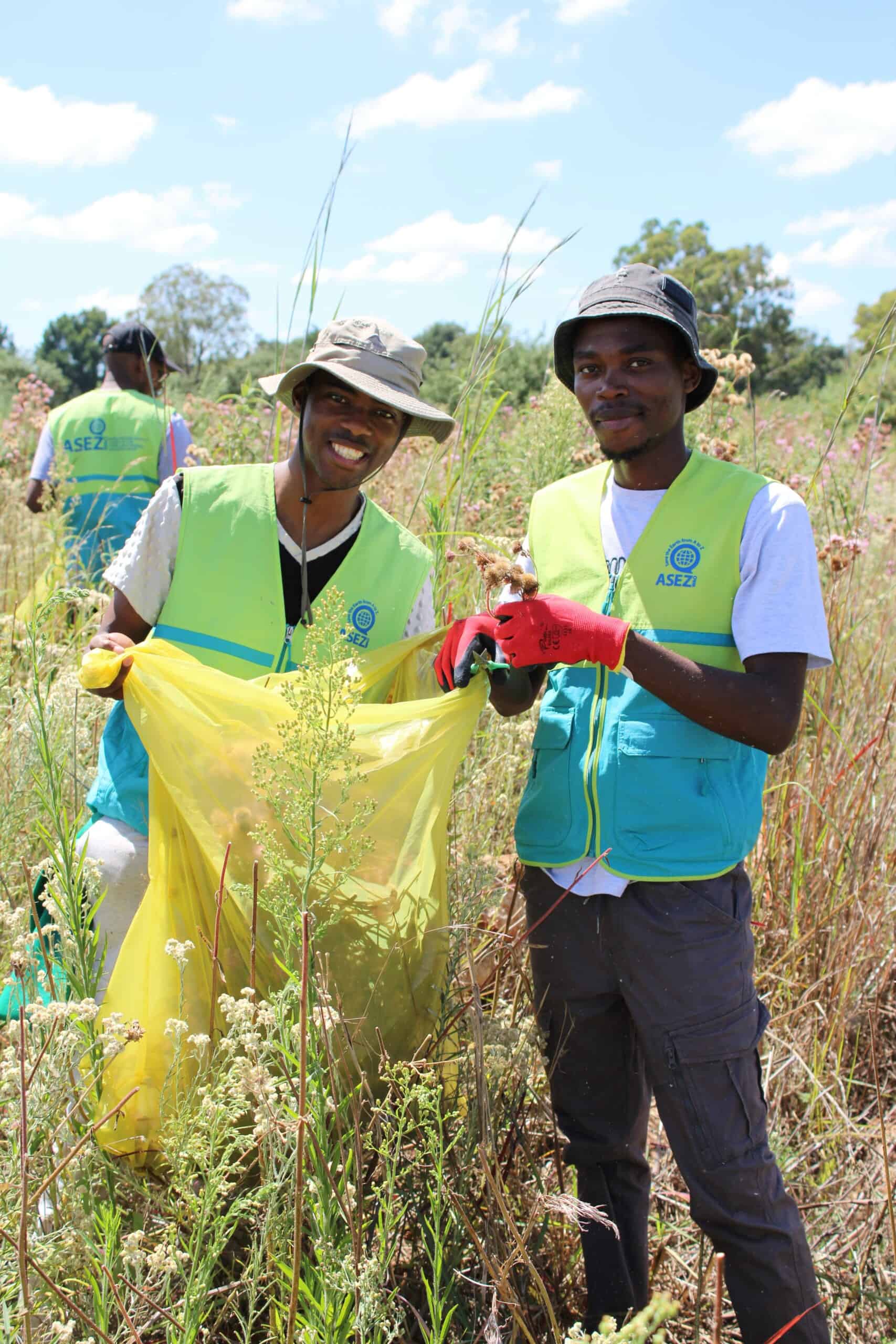
Geringh said that the fluffy pink flowers may look pretty, but the plant is a serious threat to the local ecosystem, and the volunteers were keen to make a difference.
Pompom weed, originally from South America, has spread across South Africa’s grasslands and wetlands since the 1960’s.
“It pushes out indigenous plants, reduces biodiversity and lowers the grazing value of veld because animals won’t eat it,” said Geeringh.
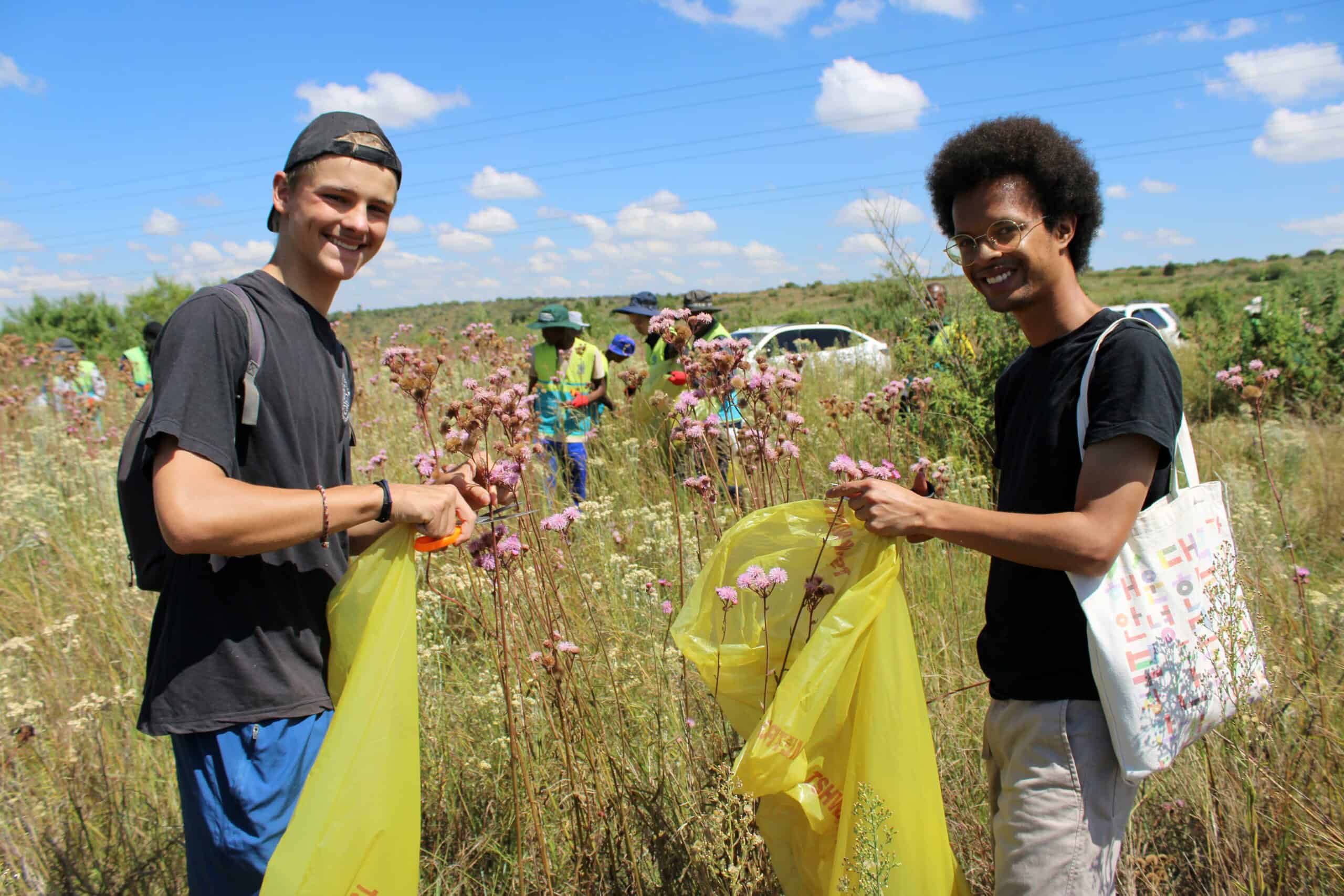
She said in peak flowering season, between December and March, large areas of grassland can even turn bright pink, a striking sight, but one that hides long-term damage beneath the surface.
The volunteers from the Friends of Groenkloof and Klapperkop described the morning as a huge success and said they were blown away by the turnout of volunteers from ASEZ-WAO.
Geeringh said the volunteers brought incredible energy, and together they managed to clear a large area in just a few hours.
“Every plant removed gives our natural grassland a better chance to recover,” she said, adding, “The manual clearing done by volunteers plays a crucial role in conservation efforts.”
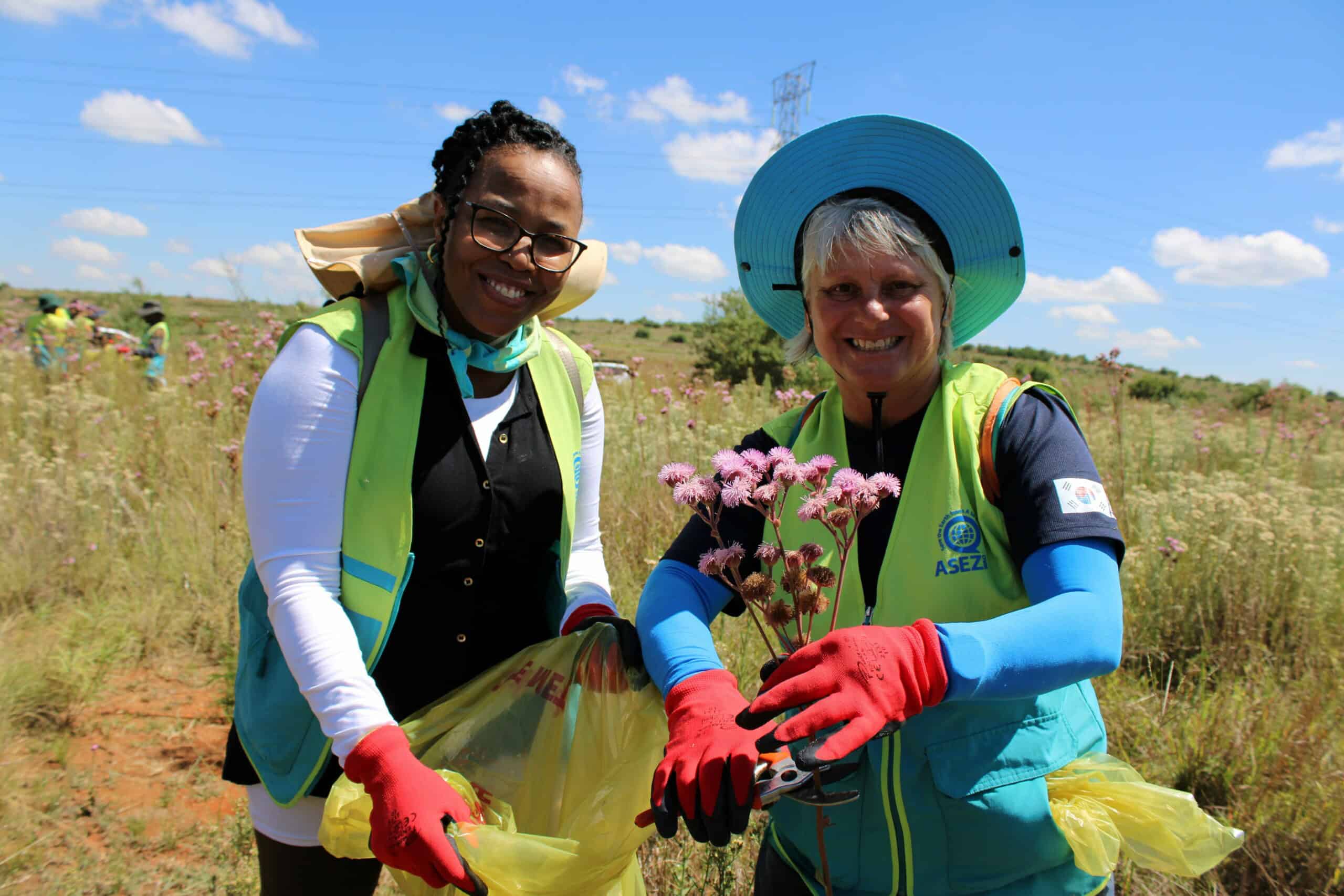
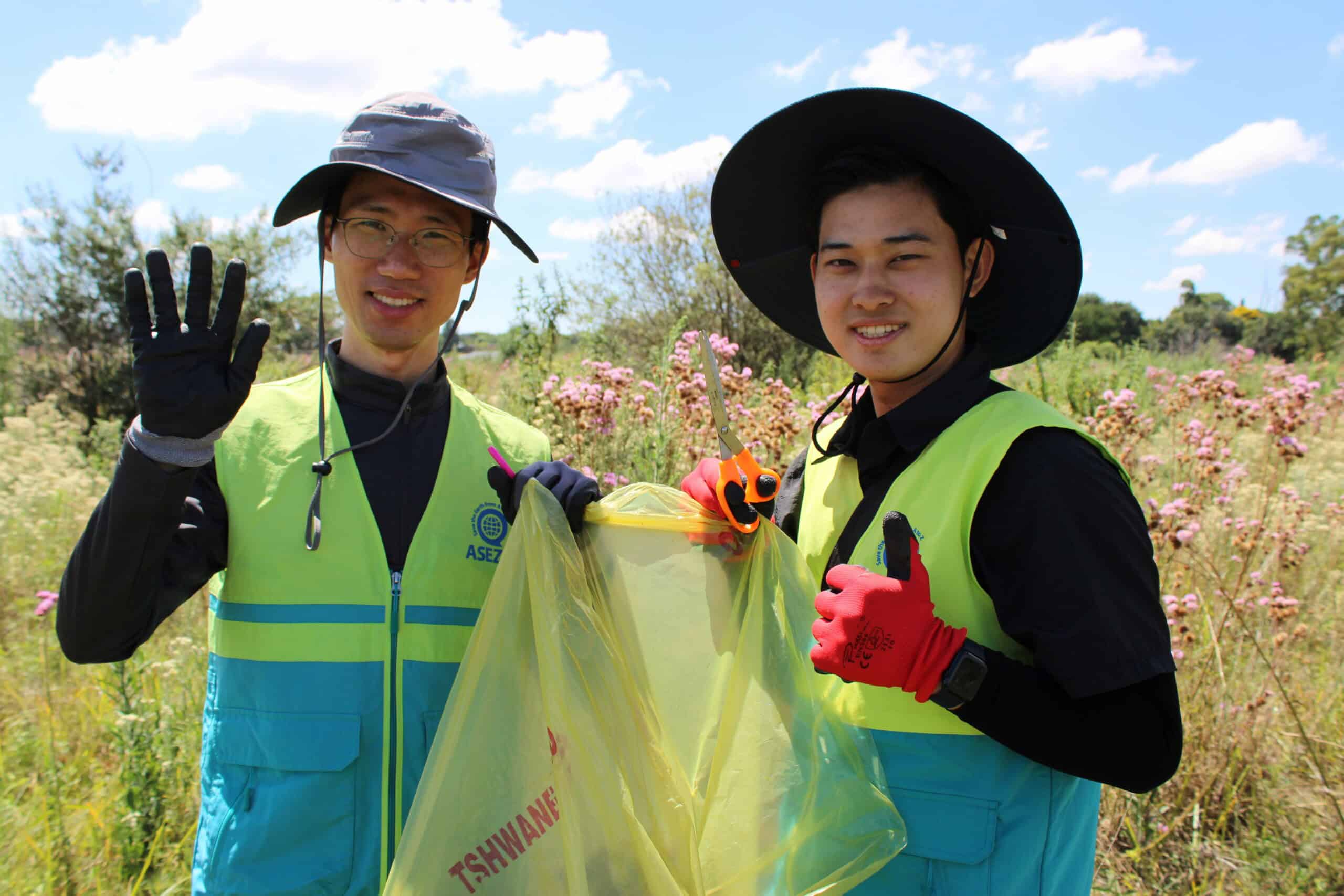
She added that by removing the flowering plants before they can seed, the spread of pompom weed can be slowed dramatically.
She further said this work also allows reserve teams to follow up with carefully targeted herbicide treatments, helping to stop regrowth from underground roots.
Controlling pompom weed is an ongoing challenge, but days like this show what’s possible when communities come together for nature.
She concluded that the combined efforts of all volunteers brought the reserve one step closer to a healthier future.
Do you have more information about the story?
Please send us an email to bennittb@rekord.co.za or phone us on 083 625 4114.
For free breaking and community news, visit Rekord’s websites: Rekord East
For more news and interesting articles, like Rekord on Facebook, follow us on Twitter or Instagram or TikTok or WhatsApp Channel