
PET FEATURE


Travel tips
Craighall Veterinary Hospital’s Dr Sinéad Cresswell shares advice to keep pets stress-free on the road:
● Do short trips first to help your pet get used to the car and reduce anxiety.
● Use a secure carrier, crate or pet seatbelt to keep them safe in transit.
● Stick to normal feeding and exercise routines.
● Bring familiar bedding, toys and their usual food to create a sense of security.
● Never leave pets in parked cars, even for a moment; temperatures can become dangerous quickly.
● Ensure rabies vaccinations are current, especially in high-risk provinces such as KZN and the Eastern Cape.
● Visit your vet to assess fitness, discuss anxiety or motion sickness and get advice for longer journeys.
● Maintain flea, tick and worm prevention.
● Use a collar tag and ensure microchip details are up to date, and pack a pet first-aid kit and fresh water.

Dealing with problem pets
Dr Aileen Pypers, veterinary behaviourist, often works with pets showing severe anxiety, which can manifest as self-harm, tail-biting or excessive scratching.
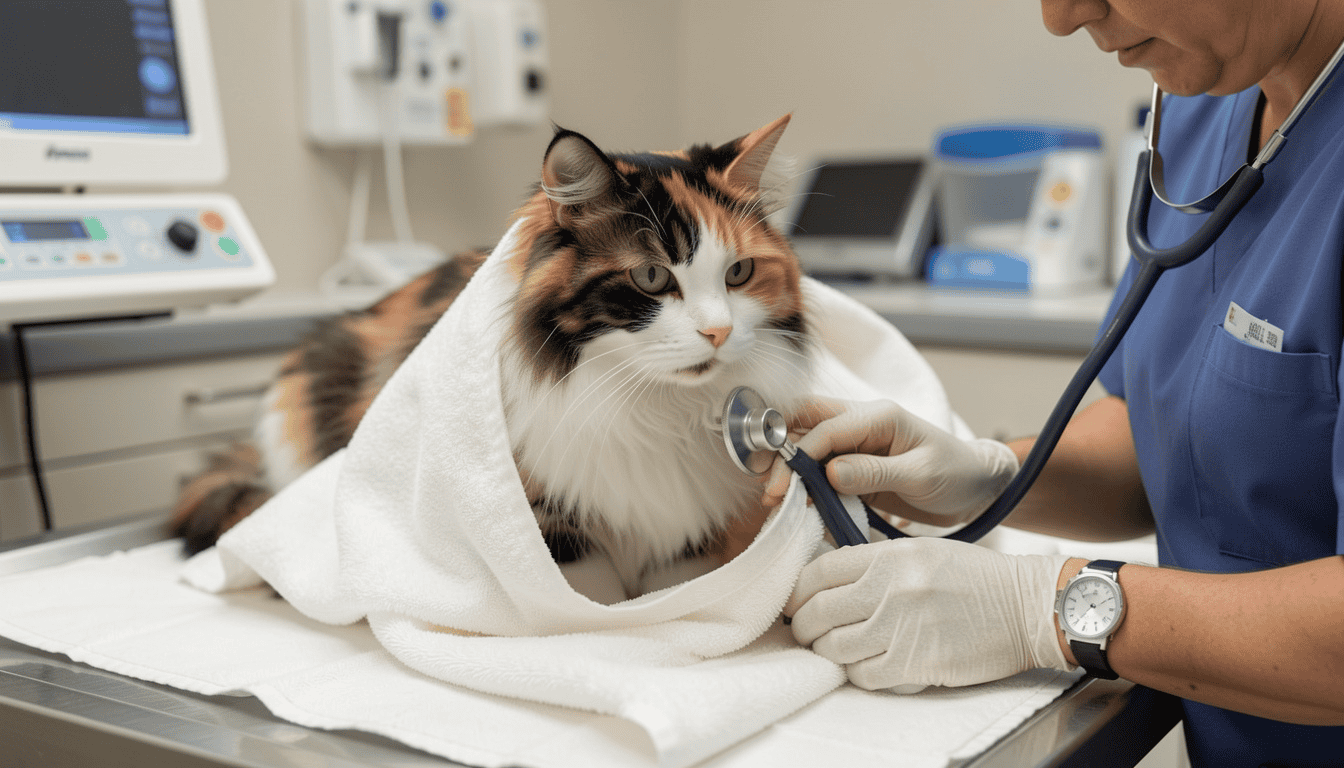
When asked how someone would know if their pet is misbehaving or possibly has an undiagnosed health condition, she says animal behaviour should never be viewed in isolation from health.
Behaviour is a manifestation of an animal’s internal physical, emotional and cognitive state. If something is ‘wrong’ behaviourally, something may also be wrong medically or psychologically. “Sudden or worsening behaviour changes should always prompt a veterinary check, as pain or illness can underlie aggression, anxiety and destructive behaviour,” she says. Training and environment are vital.
Dogs, especially those from rescues, may struggle with leash reactivity, hyperarousal or fear, sometimes needing medication to calm them enough for training. “Train for the situation, not in it.
Foundation work at home helps dogs cope in more challenging environments.” Cats also need appropriate outlets: “Scratching is natural. Provide tall, sturdy posts in areas they frequent and
horizontal scratchers to protect carpets and furniture. Always consider stress, illness and household changes, which can all influence behaviour.”

Seasonal care guide

Absolute Pets offers tips to keep companions
healthy year-round:
WINTER:
● Maintain daily exercise to prevent weight gain from extra sleep and snacks.
● Stick to grooming routines, especially for long-haired breeds, to prevent mats and knots.
● Use treat-hiders and indoor toys to provide mental and physical stimulation while inside.
SUMMER:
● Walk in the early morning or late evening and check pavements to avoid burning paws.
● Provide constant access to clean water to prevent dehydration.
● Offer shade, airflow, cooling mats, wet towels or frozen treats to keep pets comfortable.

Common myths busted
Westville Veterinary Hospital’s Dr Thomas Solms debunks some of the most persistent pet myths:
MYTH:
Dogs only see black and white.
FACT:
They perceive shades of blue and yellow and excel at detecting motion in low light.
MYTH:
Cats are low-maintenance.
FACT:
Cats instinctively hide pain; routine vet visits catch silent problems such as kidney or dental disease early.
MYTH:
A wagging tail always means a happy dog.
FACT:
Tail movement can signal excitement, anxiety or aggression – consider the full body language and situation.
MYTH:
Cats are nocturnal.
FACT:
Cats are crepuscular, naturally most active at dawn and dusk.
