Safety concerns remain high among residents, as many say crime continues to affect their daily lives despite reported efforts to curb it.
This follows recent findings from the Numbeo crime index, which ranked Pretoria the second most dangerous city, based on public perception, highlighting a growing sense of insecurity among residents.
In the Crime Index, a score of 81% indicates that residents and visitors believe they are at a higher risk of experiencing crime compared to other cities.
A safety index of 18% indicates that a city is perceived as dangerous, especially in terms of personal safety.
Numbeo allow users to view, share and compare information about the quality of life in cities worldwide. They evaluate various factors that contribute to urban living standards, such as crime.
These figures, specific to crime, reflect the observations and feelings of residents and visitors about robberies, vehicle hijackings, rapes and other violent crimes and are not official statistics.
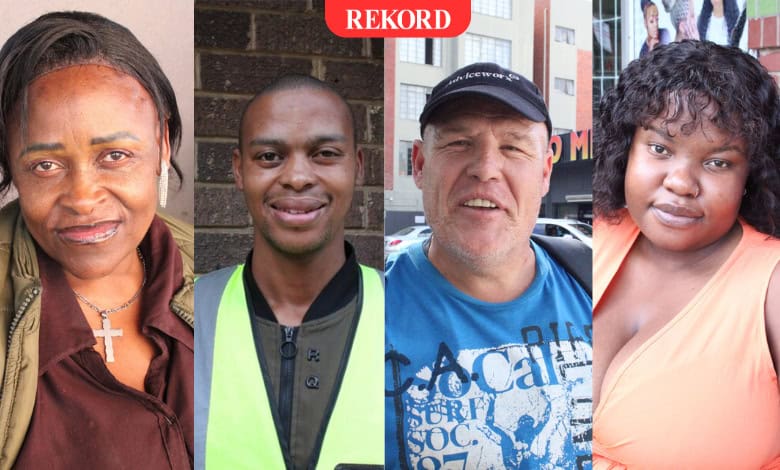
Rekord approached several residents to share their lived experiences regarding crime in Pretoria.
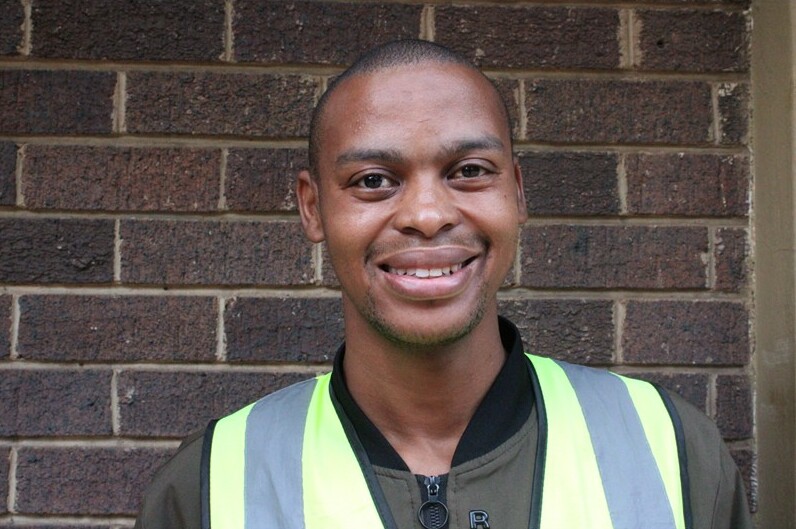
Tebogo Lebotse (34): “Some people wearing police uniforms came to our workplace posing as inspectors. They said they had come to inspect the firm and asked to be escorted to where the goods are kept.
“When we got there, they held us at gunpoint, tied us up and kept us in one place. While this was happening, a truck arrived and they used the company’s forklift to load goods. Only after the criminals had left, did the police arrive. Fortunately, none of us was harmed.”
Others say crime has directly affected those close to them.

While some residents report feeling relatively safe in their immediate surroundings, concerns remain about the broader environment.
“Where I live, I feel safe and I have never experienced crime around Pretoria Central, but some neighbours have experienced it,” said Khensane Mathonsi (25).

For many, safety is conditional and often depends on circumstances such as time and movement.
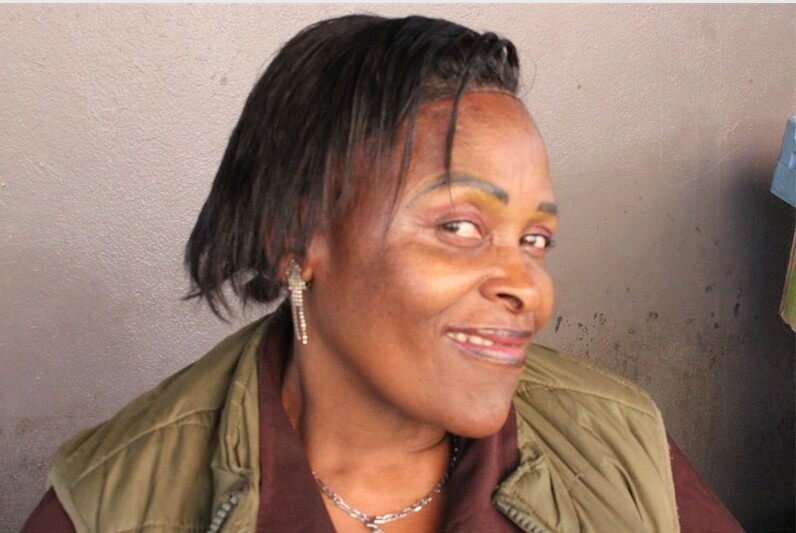
“Where I am staying is not safe because there are a lot of people who are not working, and some are our neighbours’ children. When I go to work, I usually catch the 04:45 bus, and walking to the bus stop is quite a distance. It is not safe to walk alone, which is why we walk as a group. When you get late and others have already left, it becomes a matter of luck to reach the bus stop safely,” said Thandi Virginia Mametse (57).
When asked what should be done to reduce crime, residents expressed a mix of personal responsibility and calls for government intervention.
“It is hard to say what can be done to reduce crime because you cannot plan your encounter with it. As a person, you should be aware and change your route if you feel it is not safe,” said Lebotse.
Others believe more visible security measures could make a difference.
“To reduce crime, the government should hire patrollers so we can be safe as students, as well as for parents who go to work early in the morning,” said Mokubela.
Mathonsi echoed similar sentiments, adding that emergency response measures could also help.
“To prevent crime, I think people should have whistle-blowers in emergencies. The government should also hire patrollers to patrol around Pretoria,” said Mathonsi.
Community-based solutions were also highlighted as a way forward.
“If we can work together as the community and the police, and start things like neighbourhood watch, crime can be reduced,” said Mametse.
For some, the root of crime lies deeper than policing.

“Crime is too high in this country, and the rate of unemployment is painful. The government has to make a plan to create jobs for people,” said Gabriel Padeiro (60).
As crime continues to shape daily life, residents say both systemic intervention and community action are needed to restore a sense of safety.
The Numbeo report and official crime statistics indicate continued pressure on safety in Pretoria.
Official statistics from the third quarter (October to December 2025) show that Gauteng, including Pretoria, continues to have the highest levels of contact crime in South Africa.
Murder decreased by about 2–3%, while assault decreased slightly. Hijackings increased by about 5–7%.
Do you have more information about the story?
Please send us an email to bennittb@rekord.co.za or phone us on 083 625 4114.
For free breaking and community news, visit Rekord’s websites: Rekord East
For more news and interesting articles, like Rekord on Facebook, follow us on Twitter or Instagram or TikTok or WhatsApp Channel