Overcrowded and underfunded, Wollies calls for community support
Operating beyond capacity and without funding, Wollies Animal Shelter warns that rising abandonments, low adoption rates and economic strain are pushing the shelter to breaking point as it calls on the community to step in and help.
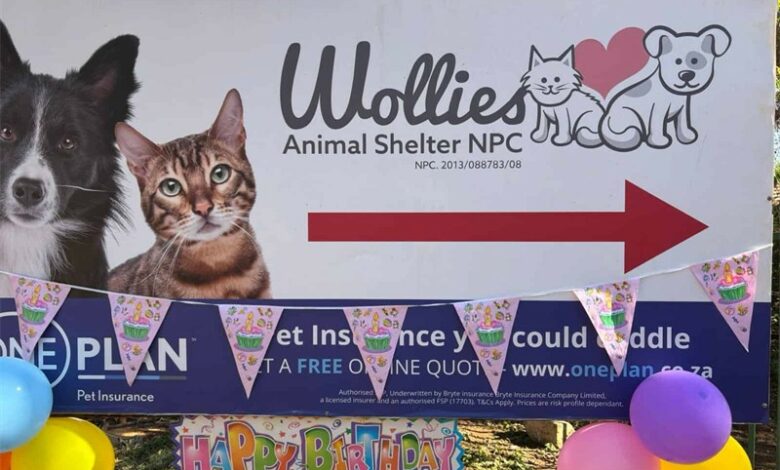
The Wollies Animal Shelter is facing its worst overcrowding crisis yet, with intake numbers far exceeding adoptions and financial pressure mounting daily.
Founded in 2013, Wollies began with a clear mission: to sterilise as many dogs and cats as possible and provide a haven for abandoned animals.
More than a decade later, that vision has grown far beyond its original footprint.
“Our original vision back in 2013 was to get as many dogs and cats sterilised and to have a safe place for abandoned animals.
“Since then, we got a bigger place and many, many more dogs and cats. We have sterilised more than 14 000 animals over the past five years,” said founder Cilla Trexler.
But despite that achievement, the shelter is now operating beyond capacity.
“The overcrowding this year is much worse than in previous years. We are currently operating beyond our intake capacity.”
At one point, Wollies had to stop accepting rescue intakes entirely because its kennels were full.
While the shelter frequently reports being at capacity, this year’s strain has been unprecedented, and according to Trexler, the crisis is no longer seasonal.
“This isn’t just about peak seasons, it’s an ongoing bottleneck that’s worse than in past years,” she explained.
Several factors are driving the surge, and uncontrolled breeding and low sterilisation rates continue to push animal populations up faster than shelters can manage.
Trexler said economic stress, including rising living costs, emigration, rental restrictions and job losses, has led to more surrenders and fewer adoptions.
“Adoption rates remain low relative to intake, even when we are full,” she said.
For Trexler, the hardest part of running a shelter is not the overcrowding alone, but the impossible decisions that sometimes follow.
“The most emotionally challenging moment is when you realise you have to make the call when there’s no good option left.
“Times like when illness or aggression leave no safe alternative but euthanasia. Or watching a long-term resident get overlooked again and again. Or standing in a kennel late at night, realising you can’t save them all.”
She said those moments shape leadership in difficult ways.
“It sharpens your decision-making, shifts focus to prevention and builds quiet resilience. You learn to fight harder for funding. You build stronger volunteer networks.
“You try to advocate louder. And then you celebrate every single adoption like it’s a miracle, because sometimes, it is.”
Trexler said financially, the strain is relentless as Wollies receives no funding from local or national government and relies entirely on donations.
“Somehow, the public thinks shelter animals cost less to keep than your own pet. But we have to pay for vaccinations, microchips, rabies vaccines, sterilisation, and all normal vet costs. Food is always a big challenge. Our dogs eat about five refuse bins of food, and the cats two bins daily.”
She also addressed common misconceptions about shelters, including the belief that adoption fees generate profit.
“Adoption fees rarely cover vaccinations, sterilisation, microchipping, food, staff wages and facility costs.
“Most shelters operate at a financial deficit. Adoption fees are cost recovery, not profit,” she said.
Trexler stressed that the crisis facing shelters is not simply about animals.
“This is not just an animal problem. It’s an economic problem. A housing problem. A sterilisation access problem. A cultural education gap. A policy gap.”
To address the issue at its root, Wollies invests in sterilisation drives, microchipping campaigns, responsible pet ownership education, school outreach, and community foster networks.
If funding and space were unlimited, Trexler envisions mobile and permanent clinics offering free sterilisation and vaccinations, an on-site veterinary hospital, and a rehabilitation centre for injured or abused animals.
“A dream Wollies isn’t just a bigger kennel. It’s a self-contained ecosystem, medical care, education, adoption, research, community support, and staff wellness.”
Despite the heartbreak and pressure, her motivation remains rooted in faith and small victories.
“God keeps me going, and every dog and cat that gets adopted. Or the love in their eyes when I give them a treat.”
She also finds hope in the younger generation.
“If I look at the youngsters who volunteer at Wollies, I have hope for the future.
“Children who spend their weekends at the shelter are eager to learn more about animal care and welfare. They run fundraising projects, and they truly care.”
Do you have more information about the story?
Please send us an email to bennittb@rekord.co.za or phone us on 083 625 4114.
For free breaking and community news, visit Rekord’s websites: Rekord East
For more news and interesting articles, like Rekord on Facebook, follow us on Twitter or Instagram or TikTok or WhatsApp Channel