Suicide warning signs – is your teenager at risk?
Teenage suicides are usually at its highest peak during this time of year, with matric results being released. Many teenagers cannot take the disappointment of failure.
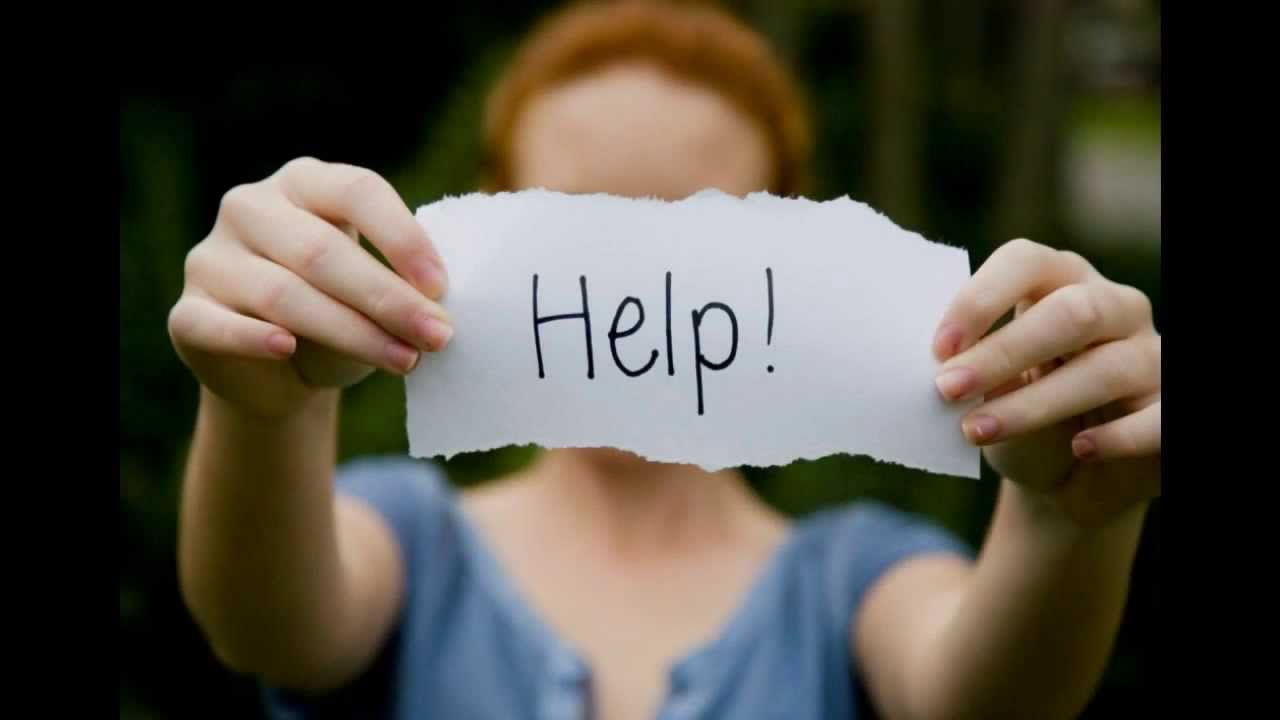
Ninety percent of teenagers who commit suicide suffer from depression.
ALSO READ: SA’s high suicide rates
Criminologist Dr Pixie du Toit said in most cases the teenagers were undergoing psychological treatment or using medication.
“Teenagers between the ages of 13 and 19 are at the highest risk of suicide. They are exposed to a large amount of pressure and are not taught how to handle it,” Du Toit said.
ALSO READ: Loving mother commits suicide
“Adults mostly threaten to commit suicide before actually doing it, but teenagers tend to act on the spur of the moment.”
An organisation seeking to help people cope with life, Proud 2Be Me Leadership, has come up with an extensive list of tips and advice that could help save the life of a friend.

Suicide warning signs:
– Be on the alert for clues if someone close to you is suffering from depression. If the person suddenly stop doing activities they used to love or when the person isolate himself/herself from other people.
– Suicide notes. These are real danger signs and should be taken seriously.
– Threats. Direct statements like, “I want to die” or “I am going to kill myself”, or indirect comments like, “the world would be better without me”, “nobody will miss me anyway”. Teenagers tend to drop clues through joking or comments in school assignments, particularly creative writing or artwork.
Other young people may find difficulties expressing their feelings in words, but may provide indirect signs by showing violent behaviour, often with threatening or suicidal comments.
– If a teenager has attempted suicide in the past, the chances to try again are greater. History repeats itself, so never take chances and say, ‘it won’t happen again’. If the person has tried it before nothing can stop them to do it again.
– Negative behaviour and attitude. Symptoms of depression are reflected by your behaviour and attitude towards others. The depressed person will look helpless and hopeless.
An adolescent is possibly at greater risk of suicide.
ALSO READ: How to spot someone who is suicidal |
Watch out for behaviour or comments indicating that someone is feeling overwhelmed by sadness or is pessimistic about their future.
– There is a variety of types of depression. One example is ‘masked’ depression. This type of depression is when a teenager or person is expressing an arrogant behaviour. It can be acts of aggression, gun-play, and alcohol/substance abuse. While your friend does not act ‘depressed’, their behaviour suggests they are not worried about their own safety. If you discover the person is angry without good reason, this could be an indicator of depression.
– The outward appearance of a person says a lot about her/his behaviour. How the particular person dresses and the use of her/his body language, you can tell that person is facing a tragedy. In adolescents, it might be giving away respected possessions.
– Self-injury behaviour is a warning sign you can mostly pick from young children as well as teenagers. Common self-destructive behaviour includes running into traffic, jumping from heights, and scratching/cutting/marking the body. Always ensure that your teens are not negatively persuaded by things they see on television to protect them from experiencing what they have seen.
– Inability to concentrate or think clearly. Children cannot think for themselves, therefore when something is disturbing their little minds it is easy to tell. Such problems may be reflected in classroom behaviour, homework habits, academic performance, household chores, even conversation.
– Changes in physical habits and appearance may include inability to sleep or sleeping all the time, sudden weight gain or loss, disinterest in appearance or hygiene.
– Suicidal signs can be described by their specific themes. These themes might appear in class activities like drawings. Certain diagrams are easy to tell the condition of the person who was sketching them. The drawings can include sketches of weapons and horrifying cartoons which look like ghosts. It will also be easy for you to see when someone is planning on committing suicide by the type of magazines he/she is interested in.
– A suicidal child or adolescent may show a high level of interest in guns, knives and other weapons. She/he may seem to have increased access to guns and pills, and that is why it is advisable to keep them out reach of children. The conversation with others would always have a subject of death, giving ideas of how they can take their lives when they feel like the world is too much for them.
How to help somebody who shows suicidal signs:
– Ensure the list of your suicidal warning signs is placed in a safe place, hidden but easy to find.
– Talk to an elder you trust most. A word with your parents and the parents of your friend can help relieve the stress of knowing that your friend is up to something dangerous. If you find that difficult, you may speak to a psychologist or a counsellor.
– Do not wait for the catastrophe to take place, try to minimise harm before the damage takes place.
– Never think your friend will hate you for saving her/his life. Even if you are not sure your friend is suicidal, talk to someone. It is alright if you ‘jump the gun’, this is definitely the time to be safe, not to be sorry.
Anyone in need of help could call the following numbers:
– The SA Depression and Anxiety Group: 0800-567-567 or SMS: 313-93.
– Childline: 0800-055-555.
– SAPD: 10111 or 012-543-8800.
Do you have more information about the story? Please send us an email to editorial@rekord.co.za or phone us on 083 625 4114.
For free breaking and community news, visit Rekord’s websites:
For more news and interesting articles, like Rekord on Facebook, follow us on Twitter or Instagram.