Tshwane EFF leadership disbandment could be costly
With the set local elections' date months away, political analyst weighs in on the political implications of the disbandment of Tshwane EFF leadership which has had an influence in governance of the Capital City.
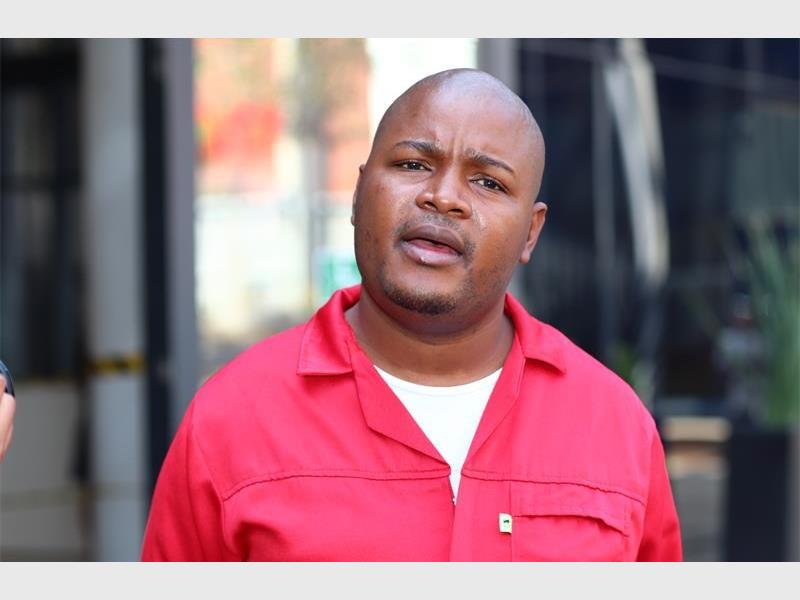
Not having a regional leadership in Tshwane at the moment might cost the EFF dearly in the upcoming national municipal elections, a political analyst has said.
Disgruntlement over lack of readiness of the EFF Tshwane branches for elections led to the disbandment of its regional leadership a month ago.
With no replacements yet, this could have detrimental effects for the party, said Unisa political science Professor Dirk Kotze.
The Tshwane EFF caucus over the past five years provided an influential hand in the governance of the capital city after the ANC lost the political leadership in 2016.
The party had the third most seats at council – its votes became key in deciding who takes power between the DA and the ANC.
EFF regional command team, headed by MoAfrika Mabongwana, was dissolved last month. Due to lockdown regulations there has not been elections of new leaders.
Kotze said should the party be unable to swiftly resolve its internal issues, this could cost the EFF votes in the upcoming elections.
“The disbandment of the EFF came just after it had done poorly in the by-elections nationally. There were almost 200 wards nationally up for grabs and they did not win even a single one. Their number of votes in most cases also did not increase.”
Tshwane comprised the largest wards in Gauteng for the May by-elections, with nine wards contested and 124 692 voters affected. Although the EFF contested six of the wards that belonged to the ANC and three to the DA – they did not win in any of those.
Kotze said national leader Julius Malema had dissolved leaderships before.
“This was not the first time, but doing so close to local government elections set for October 27, was risky.”
He said further calls by Malema for the postponement of elections after dissolving leaderships for not launching enough branches showed the party’s unpreparedness for elections, and might also be a factor in his calling for the postponement.
“It will be very detrimental for them if elections continue,” Kotze said.
Kotze said if the party would settle their issues quickly, they would possibly perform better; however, fighting within the party for vacant positions could create internal instability.
“The EFF in 2016 became quite a crucial player in the Tshwane council. This means that there is an opportunity for individuals to carry out essential roles. The posts are very attractive, and there will be a contest for the positions. These contests cause instability in parties, for example, like in the ANC.”
Kotze said internal political issues could lead to voters getting cold feet at the polls.
“Gauteng remains the core of the EFF from a representation point of view. Therefore, what happens in Gauteng is absolutely significant for its national growth.
“If they experience problems in Tshwane, it’s important for them to deal with issues as quickly as possible. The EFF’s growth is likely to be slower than they expect or it might even flatten in the coming elections.”
Kotze said the EFF also struggled to win support beyond their youth constituency.
“The problem is that generally that this group does not vote. In a way, this limits the growth of the party. It should develop a strategy to attract middle-aged voters for it to grow.”
EFF Gauteng chairperson Itani Edwin Mukwevho said due to current Covid regulations they were unable to conduct elections for a new regional command team.
Mukwevho said although the leaderships was dissolved, members continued as councillors at council.
“They are still councillors but their responsibilities in leading the EFF as a team were disbanded. We are still waiting for national leadership to give us the guidance for the conference to elect new leadership, but as you can see currently the regulations do not allow such.”
During the June 16 protest at Hoërskool Uitsig in Centurion, Malema slammed the dissolved regional command.
“At some point this nonsense must end,” he said.
“We can take the metro but not with the type of conduct you guys are displaying. To take the municipality you need high discipline and focus. How do you take the municipality without a party?”
The team was dissolved shortly after a video of a confrontation between Mabongwana and a councillor over branch membership form went s viral on social media. Malema said several people were facing punishment for “disgracing” the party.
Do you have more information about the story?
Please send us an email to editorial@rekord.co.za or phone us on 083 625 4114.
For free breaking and community news, visit Rekord’s websites: Rekord East
For more news and interesting articles, like Rekord on Facebook, follow us on Twitter or Instagram