Highveld thunderstorm safety tips
Thunderstorms can happen anywhere and occur frequently during summer in the summer rainfall areas and mostly in the afternoon.
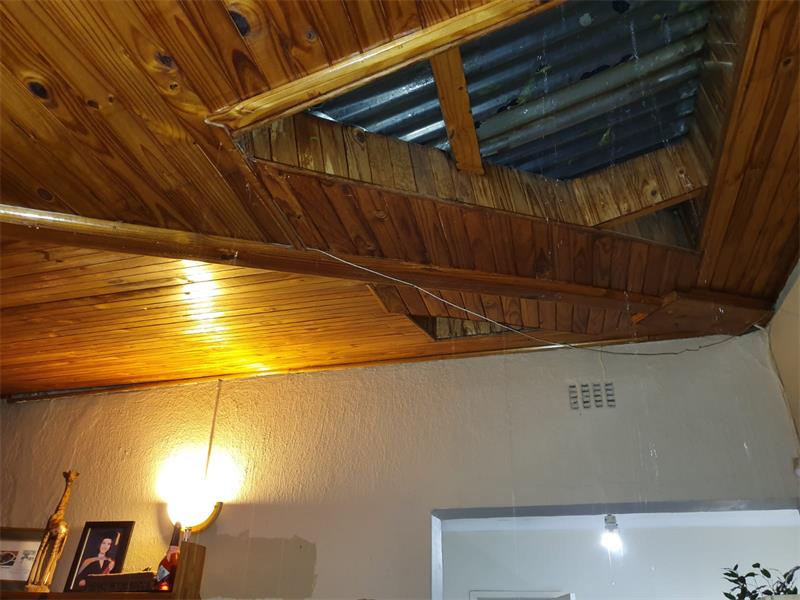
Though they can be a sight to behold, highveld thunderstorms can also be extremely dangerous. These weather conditions are likely to become a more regular occurrence with the festive or summer season well underway.
The highveld consists of the Free State, Gauteng, parts of Mpumalanga, Lesotho, Limpopo, North West and Northern Cape.
These thunderstorms threaten strong damaging winds, hail, lightning and localised flooding to susceptible settlements. The aforementioned effects of thunderstorms can have devastating effects on one’s property.
“Thunderstorms can occur anywhere and are frequent during summer in the summer rainfall areas and mostly in the afternoon,” said SAWS communication officer, Hennelee Doubell.
“Be especially aware of lightning, flooding, flash floods (if it rained upstream) and hail.”
Emer-G-med spokesperson Kyle van Reenen has reminded residents of the standard safety tips during wet weather.
These include:
– Pull over to a safe area when caught in a heavy storm.
– Turn off all electrical and gas appliances should you be indoors during a flood.
– Never drive into deep water as only a depth of 60cm is required to wash a vehicle away.
– Be aware of your weather forecast before travel.
– Ensure you keep emergency numbers handy.
– Don’t park or stand under a tree during heavy rainfall as dead branches can damage your vehicle or injure you.
Residents can call EMS on 086100 7911 in case of any life-threatening emergency.
Some hail safety tips include:
– Keep an updated weather forecast to learn of an approaching hailstorm. The Saws “Weathersmart” app is a good example.
– Find shelter and remain there until the storm subsides.
When driving
– Look for cover when you are caught off-guard in a hailstorm, this can be under cover parking or petrol station.
– Put hazard lights on for your and other road users safety.
– Stay in your vehicle until the storm passes.
– If there is no shelter, pull over as soon as it is safe to do so as driving during a hail storm decreases visibility, makes roads slippery and increases the risk aquaplaning in pools of hail and water.
– Since temperatures drop during a hail storm, vehicle windows will fog up and hamper visibility. It is critical that the vehicle’s defogger functions properly.
When you are in your house:
– Ensure gutters are cleaned and free of debris so that ice and water can move easily off the roof.
– Move your outdoor equipment and furniture undercover when a heavy storm is forecast.
Some additional car tips from Netcare911 include:
– Ensure your headlights and brake lights are working properly.
– Satisfy yourself your tyres are in good condition.
– Don’t speed, avoid hard braking or sharp turns.
– Maintain a safe following distance as this gives you time to react and avoid potentially dangerous situations.
– Ensure your windscreen wipers are in good condition and that you can see clearly while driving.
– Switch on your headlights, especially when natural light is low. This not only increases visibility but also alerts other drivers to your presence on the road.
– You get a lot of spray from vehicles ahead of you, so keep a large following distance.
– Do not attempt to cross flooded low-lying bridges even if you think your car is capable.
– Adjust your speed to the condition of the road. Just because the speed limit is 120km/h does not mean that it is safe to travel at this speed in all conditions.
– Be aware of pedestrians and animals crossing the road to escape the rain.
Do you have more information about the story?
Please send us an email to editorial@rekord.co.za or phone us on 083 625 4114.
For free breaking and community news, visit Rekord’s websites: Rekord East
For more news and interesting articles, like Rekord on Facebook, follow us on Twitter or Instagram