Fight rabies spread through better animal welfare
On World Zoonoses Day on July 6, an animal welfare organisation is urging South Africans to prioritise rabies prevention through pet vaccination, sterilisation and improved animal welfare.
On World Zoonoses Day on July 6, global animal welfare organisation Four Paws is urging South Africa to strengthen efforts to prevent zoonotic diseases by addressing the underlying animal welfare issues that contribute to their spread.
World Zoonoses Day commemorates the first successful vaccination against a zoonotic disease in 1885 and highlights diseases that can be transmitted between animals and humans.
According to the animal welfare organisation, more than 60% of infectious diseases affecting people originate in animals, making prevention a critical public health priority.
The organisation says South Africa faces several everyday challenges that increase the risk of zoonotic disease transmission, including limited access to veterinary care, companion animal overpopulation, intensive farming systems, wildlife exploitation and inadequate biosecurity in rural livestock production.
“Zoonotic diseases are not distant threats; they are already impacting communities across South Africa,” says Fiona Miles, director of Four Paws South Africa.
“The way we treat animals, whether in our homes, on farms or in the wild, directly affects human health. Improving animal welfare is one of the most effective ways to prevent future outbreaks.”
Rabies remains one of the country’s most pressing zoonotic disease concerns.
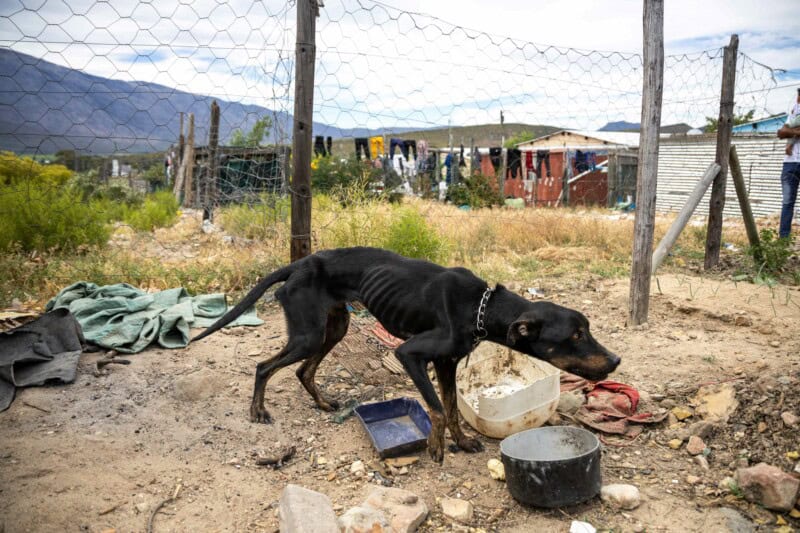
The disease is endemic in South Africa and is primarily transmitted through domestic dogs.
Miles estimates that about 3.4 million homeless cats and dogs contribute to the ongoing risk, particularly in under-resourced communities in KwaZulu-Natal, the Eastern Cape and Limpopo.
She says recent rabies concerns in parts of the country underscore the need for co-ordinated prevention efforts.
She also points to the emergence of rabies in wildlife, including Cape Fur Seals, as evidence of the increasing complexity of disease transmission between domestic animals, wildlife and humans.
“Rabies is entirely preventable, yet it continues to claim lives. Vaccination and sterilisation programmes are critical, and communities must have better access to veterinary care,” says Miles.
She encourages pet owners to vaccinate companion animals regularly and sterilise pets to help reduce stray and roaming populations.
Jeanine Greatorex-Niemann, director of the Tshwane SPCA, says these measures are among the most effective ways to reduce rabies transmission while improving overall animal welfare.
She also highlights ongoing vaccination initiatives such as the Tshwane SPCA’s current vaccination special, which offers a free rabies vaccination when pets receive a five-in-one vaccination for R270.
A standalone rabies vaccination is available for R50 while stocks last at the organisation’s Waltloo and Centurion branches, with bookings required.
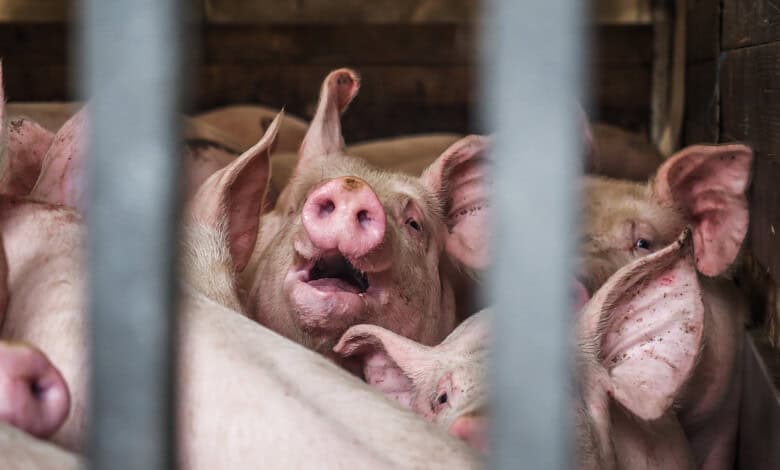
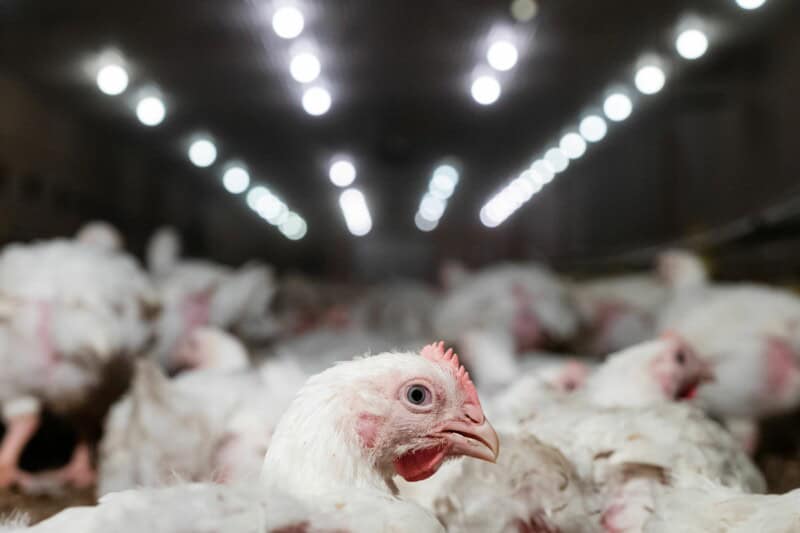
Four Paws also raises concerns about the disease risks associated with intensive livestock production systems.
The organisation says overcrowded, stressful and unhygienic conditions commonly associated with factory farming weaken animals’ immune systems and create favourable conditions for disease outbreaks and the development of antimicrobial resistance.
“Factory farming creates the perfect conditions for diseases to spread and evolve. Lower stocking density farming systems are not only better for animals, but they are essential for protecting people,” adds Miles.
Wildlife exploitation presents another significant concern, according to Miles.
She emphasises that South Africa’s commercial wildlife and captive predator industries increase the likelihood of diseases passing between species because wild animals are often kept in confined, stressful environments with frequent human contact and limited veterinary oversight.
“Wild animals belong in the wild. Exploitative industries not only cause immense suffering but also create high-risk environments for zoonotic diseases to emerge,” says Miles.
In rural and communal farming areas, limited veterinary services and weak biosecurity measures increase exposure to diseases such as brucellosis and bovine tuberculosis.
She notes that practices, including home slaughter, consumption of raw milk and shared water sources between livestock and people, further increase the risk of disease transmission.
To address these challenges, Four Paws is promoting the One Health approach, which recognises that the health of people, animals and the environment are closely connected.
The organisation says meaningful progress requires co-operation between government departments, veterinary professionals, public health authorities and communities to identify and reduce zoonotic disease risks before outbreaks occur.
The organisation recommends that communities vaccinate pets regularly, particularly against rabies, sterilise companion animals, avoid handling wildlife, maintain good hygiene after contact with animals and support humane and sustainable farming practices.
With World Zoonoses Day serving as a reminder of the continuing threat posed by diseases transmitted between animals and humans, an animal welfare organisation says improving animal welfare remains one of the most effective strategies for protecting both public health and the environment.
Do you have more information about the story?
Please send us an email to bennittb@rekord.co.za or phone us on 083 625 4114.
For free breaking and community news, visit Rekord’s websites: Rekord East
For more news and interesting articles, like Rekord on Facebook, follow us on Twitter or Instagram or TikTok or WhatsApp Channel