
Minister visits rescued parrot chicks at Pretoria Zoo
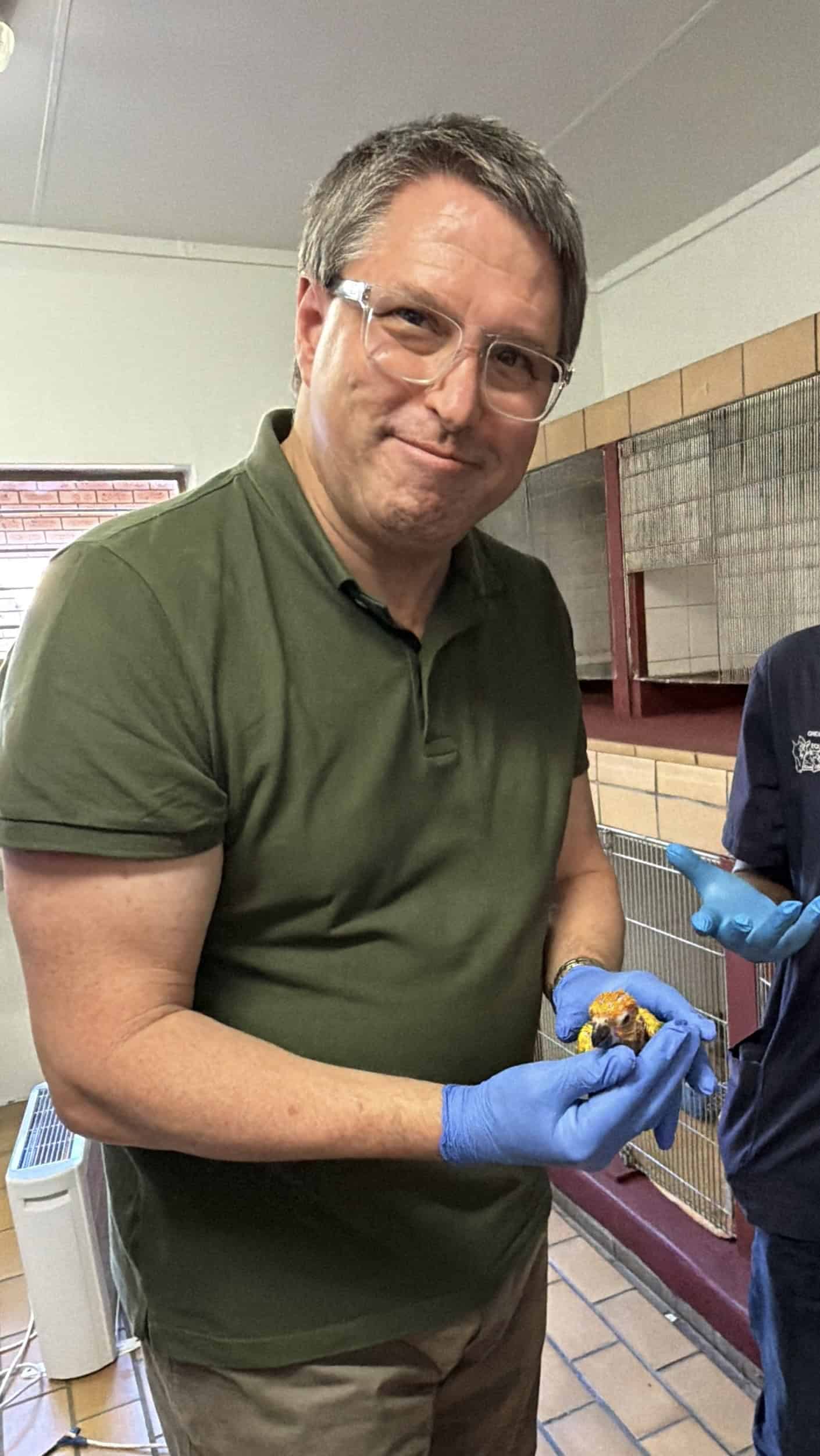
Parrot chicks that were rescued after two interceptions at the OR Tambo International Airport, are getting a second chance on life at the Pretoria Zoo. The chicks were transported by smugglers under dire circumstances, with some dying due to cold shock and poor conditions after they hatched.
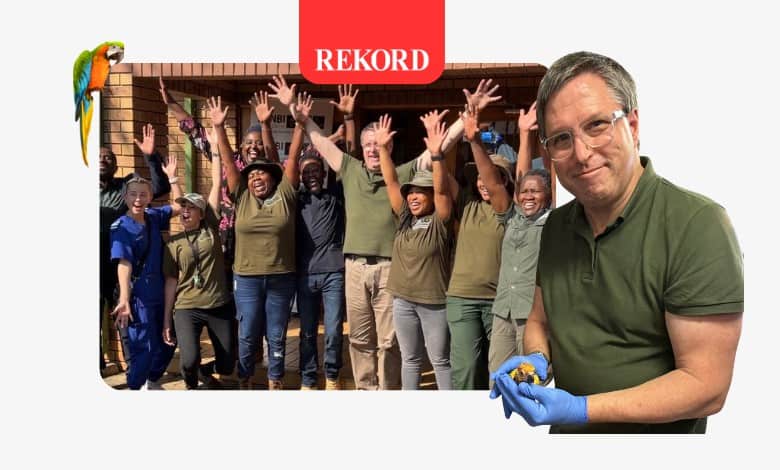
Parrot chicks rescued after two interceptions at OR Tambo International Airport are getting a second chance at life at the Pretoria Zoo.
The chicks were transported by smugglers under dire conditions, with several dying from cold shock and poor conditions after hatching.
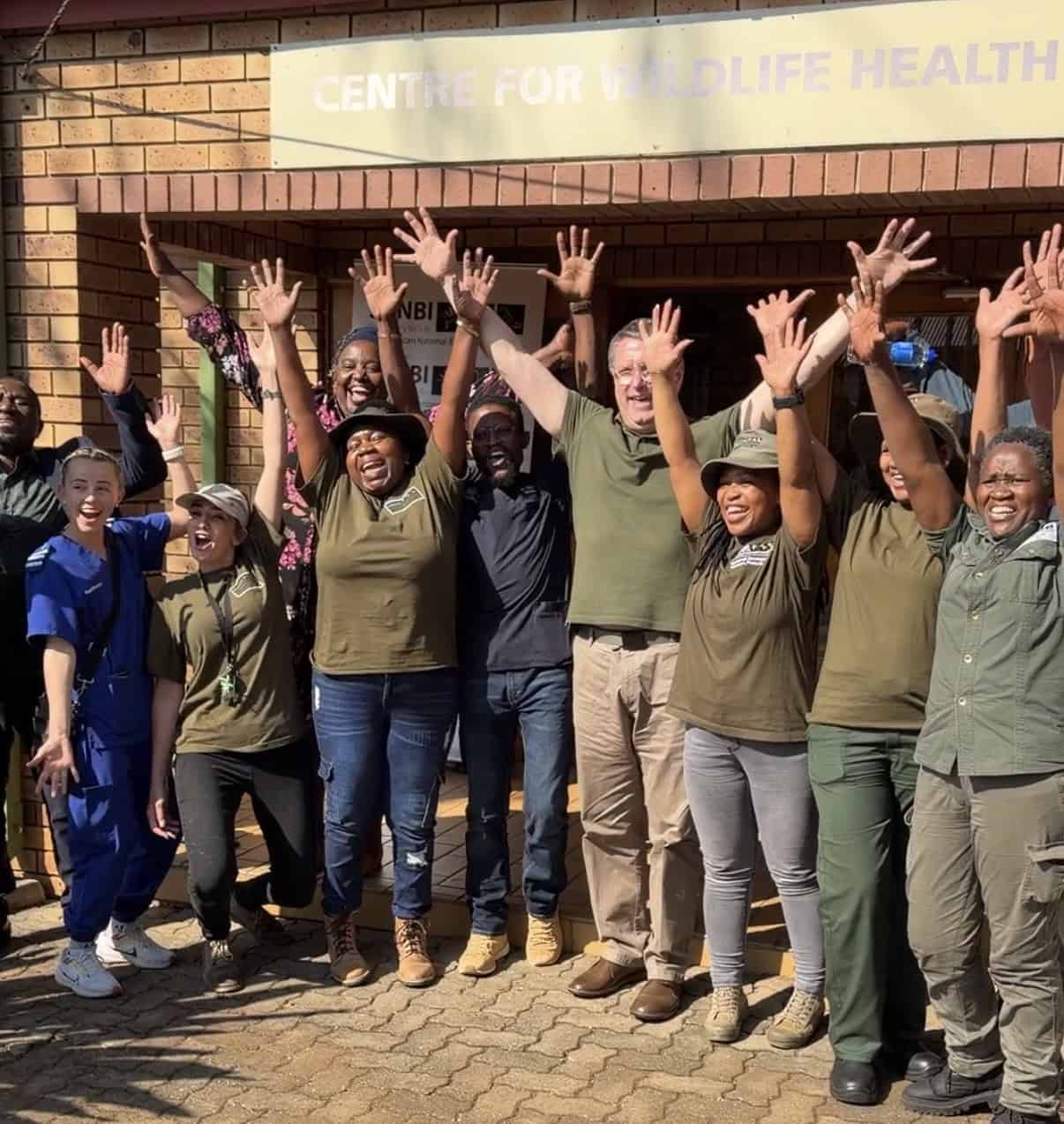
The Minister of Forestry, Fisheries and the Environment, David Maynier, visited the South African National Biodiversity Institute (Sanbi) at the National Zoological Garden in Pretoria to receive an update on the parrot chicks and the investigation.
Eggs were confiscated from suspects in two separate interceptions at OR Tambo International Airport.
The eggs were transported in self-made incubators and exposed to cold shock during the smuggling attempts.
According to DFFE ministerial spokesperson Kerry Mauchline, the circumstances caused many of the eggs not to hatch, while some that hatched died within three days.
After the parrot chicks were confiscated, the DFFE approached Sanbi to rescue as many as possible.
Maynier praised the Sanbi team for its swift action and continued care of the chicks.
“The incredible team works day and night to give these vulnerable chicks a chance for survival, despite the circumstances under which the eggs were smuggled. Their commitment and expertise are a credit to the institute and a valuable asset in the fight against wildlife trafficking,” Maynier said.
Although genetic tests are under way to determine the species, initial results indicate the parrots include African Grey parrots, galahs, and conures.
All three species are listed under the Convention on International Trade in Endangered Species of Wild Fauna and Flora (CITES). International trade and export of specimens of CITES-listed species is strictly regulated and requires permits from the relevant exporting and importing countries.
Mauchline pointed out that the law provides for severe penalties.
Under Section 102 of the National Environmental Management: Biodiversity Act 10 of 2004, a person found guilty of an offence under Section 101 may be fined up to R10m, imprisoned for up to 10 years, or both.
The bail application of a suspect taken into custody during the second interception was postponed to September 16. Animal cruelty charges will also be added to the indictment due to the circumstances in which the eggs were transported.
The investigation is supported by various law enforcement agencies, including the Environmental Management Inspectorate, also known as the Green Scorpions, SAPS Crime Intelligence, SAPS Border Police, and the SAPS Endangered Species and Livestock Theft Unit.
Meanwhile, authorities are investigating a possible international network behind the smuggling, with support from other countries and international organisations.
Maynier emphasised that combating organised wildlife trafficking is a priority for the government.
“Environmental crime is organised crime. We must stand strong against complex, international criminal networks,” he said.
He added that he would engage in discussions with his department about better resources and support for the Green Scorpions.
“We must send out a clear message: Illegal wild trade will not be tolerated in South Africa.”
Do you have more information about the story?
Please send us an email to bennittb@rekord.co.za or phone us on 083 625 4114.
For free breaking and community news, visit Rekord’s websites: Rekord East
For more news and interesting articles, like Rekord on Facebook, follow us on Twitter or Instagram or TikTok or WhatsApp Channel


