
Why family planning is essential
Family planning can be described as medical, social and educational services used for controlling the number of children a woman can have as well as the intervals between their births.
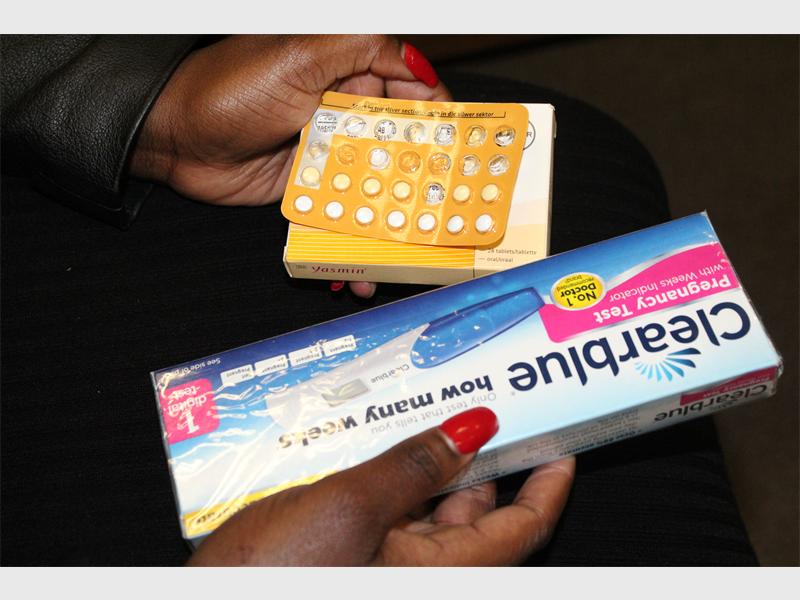
POLOKWANE – Every year newborn babies dumped in pit toilets, rubbish heaps or dustbins make headlines across South Africa.
Unwanted children who are not killed end up at orphanages where most of the time they never get to experience the bliss of a loving family.
Many of these cases can be avoided, however, if more people have access to family planning, especially those living in rural areas. In light of this, BONUS spoke to Gynaecologist Obstetrician, Dr Portia Manamela, who is based in Polokwane to find out what family planning is and what options are available for women and men.
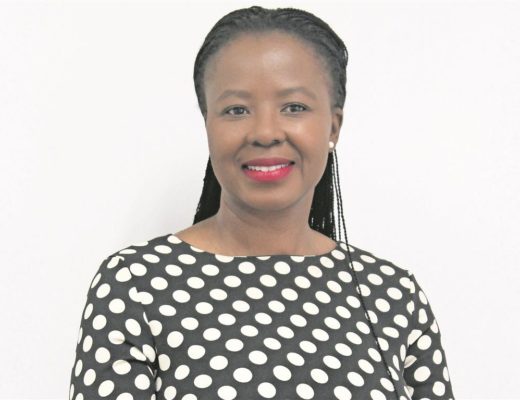
“Family planning can be described as medical, social and educational services used for controlling the number of children a woman can have as well as the intervals between their births. This is achieved through access to, and the use of, contraception. Contraceptives prevent unintended or unwanted pregnancies, reduce the number of abortions and lower the incidence of death and disability related to complications of pregnancy and childbirth,” she explained.
Manamela spoke about how many women who may wish to use contraception are unable to, either due to a lack of information regarding the service or money to access the service as well as various other factors. “Family planning is necessary in all communities because families are able to control the number of children they have, taking into consideration their financial and emotional standing,” she added.
A number of contraceptive methods are available to prevent unwanted pregnancy. There are natural methods, barrier methods and various chemical-based methods, each with particular advantages and disadvantages. Natural methods to avoid pregnancy include abstinence, the withdrawal and calendar-based methods.
Chemical-based methods include oral contraceptives and patches. Long-acting reversible contraceptive methods, such as injections, intrauterine device (IUD) and implant are highly effective and convenient.
Surgical methods, tubal ligation (sterilisation), vasectomy (male sterilisation) provide long-term contraception for those who have completed their families.
Condoms, male and or female may be used alone, or in addition to other methods, as backup or to prevent STD and HIV.
Visit www.reviewonline.co.za to read more on how the contraceptives work and its side effects.