
How to identify and treat chickenpox
A few toddlers in the city have been diagnosed with chickenpox and Review spoke to general practitioner, Dr Flip van As, about the symptoms and treatment for the disease.
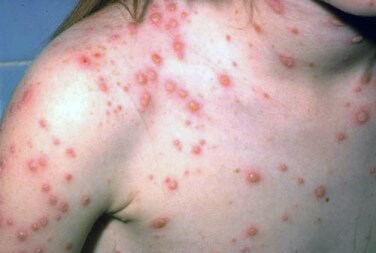
POLOKWANE – “Symptoms of chickenpox only present between 10 and 21 days after your child was exposed to the virus. These symptoms last about five to 10 days,” he explained.
“You will notice itchy, red blisters all over your child’s body. It is rare to have this infection, caused by a virus, more than once in your lifetime, but it can happen.”
Other symptoms include:
- Fever.
- Headache.
- Loss of appetite.
- Tiredness and a general feeling of being unwell (malaise).
The rash goes through three phases.
First there is the raised pink or red bumps which break out over several days.
Then there is the small blisters, filled with fluid which are formed from the red bumps.
Lastly a crust and scabs form over the broken blisters, these take several days to heal.
“Sometimes new bumps continue to appear for several days. This means your child may have all three stages at the same time. Once your child is infected, they can spread the virus for up to 48 hours before the rash appears, and they will remain contagious until all spots crust over,” he said.
The chickenpox virus is spread through saliva, sneezing, coughing and contact with the blisters.
Your doctor will be able to diagnose the disease through the rash and the symptoms and can prescribe medicine to lessen the severity of or to treat complications of the symptoms.
If the following complications occur, consult your doctor:
- The rash spreads to one or both eyes.
- The rash gets very red, warm or tender, indicating a possible secondary bacterial skin infection.
- The rash is accompanied by dizziness, disorientation, rapid heartbeat, shortness of breath, tremors, loss of muscle coordination, worsening cough, vomiting, stiff neck or a fever higher than 38,9 ºC.
- Anyone in the household is immune deficient or younger than six months.