
Saving money and the environment one cloth nappy at a time
Review spoke to Bonay van der Schyff, mother of two and an advocate for cloth nappies as an alternative to disposable nappies.
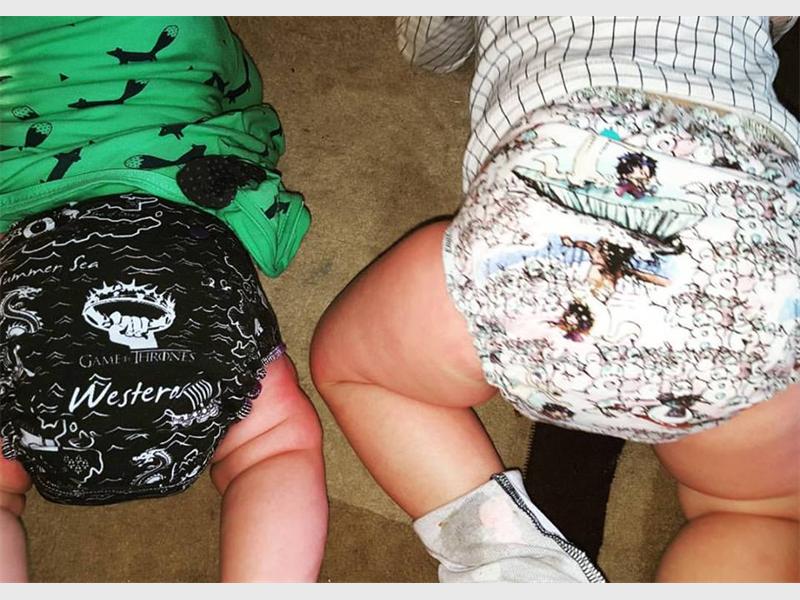
POLOKWANE – Cloth nappies have changed a lot over the years, especially compared to the ones used in the 1970s and 1980s.
Review spoke to Bonay van der Schyff, mother of two and an advocate for cloth nappies as an alternative to disposable nappies.
You might also want to read: Mama Bear goes green
“My oldest daughter is potty training and my youngest is still on nappies. Since discovering these new cloth nappies, I will not use disposable nappies again if I don’t absolutely have to,” she said.
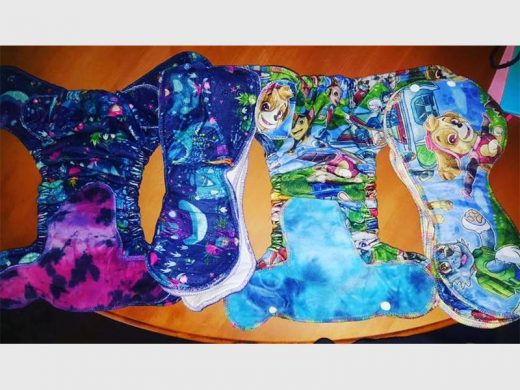
Since not many people know how these newer cloth nappies work, there are many misconceptions about it, with one of the biggest concerns voiced being about the mess when changing the nappy.
“Much like disposable nappies, only better, these cloth nappies are designed to fit snugly around the child’s legs to avoid messes,” Bonay explained.
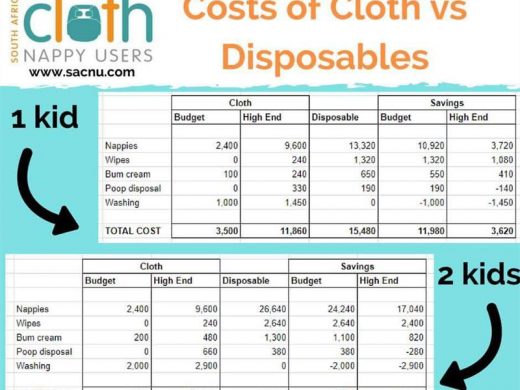
According to South African Cloth Nappy Users (Sancu) website at www.sacnu.com, using cloth nappies instead of disposable nappies will end up saving you a lot of money.
As with everything else there are pros and cons with one of the biggest cons of the cloth nappies being the high startup costs.
“There are businesses that allow you to pay off the nappies, delivering them upon full receipt of payment. Another con is the aroud three extra loads of washing a week but these nappies are so healthy and cost-effective that it makes it all worthwhile.”
The pros far outnumber the cons, Bonay added.

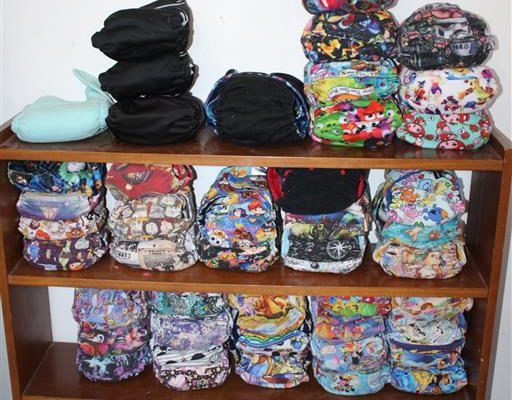
“The use of cloth nappies is healthier for our environment as they do not contribute to filling up landfills. There is also no risk of nappies littering the street after dogs tore open the trash bags wherein they are disposed. Another pro is that you get matching tops with the nappies so you can dress up your child. These nappies are durable and the children can wear it while playing outside without them getting damaged. Cloth nappies can be used more than once and your second or third child will still be able to use them. You can even resell them.”
Disposables for one child will cost around R15 500 throughout their lifetime while cloth nappies will cost around R3 500 for three.
Using cloth nappies conserves water as according to Sancu it uses 34 litres to manufacture one disposable nappy. This translates to 6,1 kl per month. In contrast, cloth nappies use 1,2 kl per month to clean.
One child using disposables nappies will generate 952 kg worth of nappy waste in landfills while cloth nappies reduce this waste to 2,2 kg.
How to wash:
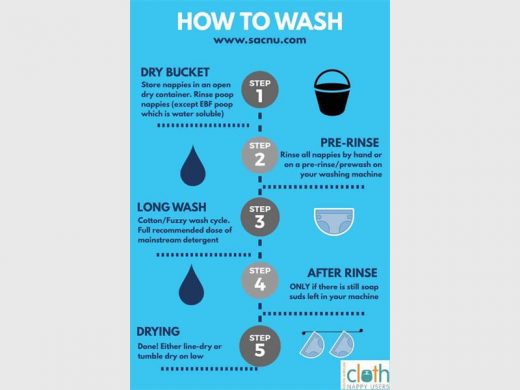
Step 1. Dry bucket. Store nappies in an open container. Rinse nappies.
Step 2. Pre-rinse. Rinse all nappies by hand or on a pre-rinse/pre-wash on your washing machine.
Step 3. Long wash. Cotton/fuzzy wash cycle. Full recommended dose of mainstream detergent.
Step 4. After rinse. Only if there is still soap suds left in your machine.
Step 5. Drying. Either line-dry or tumble dry on low.