Limpopo dam levels drop to 57.3%
Sputnik Ratau, Spokesperson for the Department of Water and Sanitation says most dams in the province showed a slight decline from last week, however the dam levels are still higher than last year.

LIMPOPO – According to the latest figures issued by the Department of Water and Sanitation most dams within the province showed a decline from last week, however the department added that the levels are still higher when compared to last year.
“The dam levels have dropped to 57.3% from 58.1% last week. Despite a moderate decrease, this is still an improvement when compared to last year’s 49.4%,” said Sputnik Ratau, Spokesperson for the department.
Ratau added that the department, in collaboration with other stakeholders, is in the process of completing a number of projects that are aimed at ensuring adequate potable water to communities; this includes Bulk Water conveyance infrastructures that will be developed to integrate De Hoop dam into the Olifants river system and the bulk pipeline, reservoirs and associated pump station to convey water from Nandoni dam to augment water supply in Giyani and Malamulele.
Provincial dam breakdown:
De Hoop has decreased from 89.6% to 89.0%, this is a compared to last year’s 77.1%.
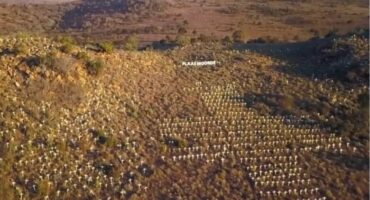
The dam level at Flag Boshielo stands at 85.4%, a slight declines from last week’s 87.1%, but a massive increase from last year’s 51.7%.
Mogoebaskloof levels decreased slightly from 100.2% last week to 100.1% this week, same time last year it was at 91.5%.
Vergelegen stands at 100.3% moving down from last week’s 101.6%.
Klaserie has also soared to 100.3% from last year’s 62.6%, a minor improvement from last week’s 98.5%.
Nandoni Dam is at 96.5% and Albasini Dam at 70.0%.
Dap Naude Dam has dropped from last week’s 98.9% to 98.1% this week.
Glen Alpine and Doorndraai dams are critically low at 8.1% and 8.7% respectively; Ratau said this is deterioration when compared to last week’s 8.5% and 8.9%.
“As the department we urge water users to be circumspect in the manner they use water and instil the culture of saving water to ensure water security for all,” he conlcuded.