
How to prevent carbon monoxide poisoning at home this winter
A Polokwane doctor breaks down why this invisible gas is so dangerous, and the winter habits that quietly put households at risk.
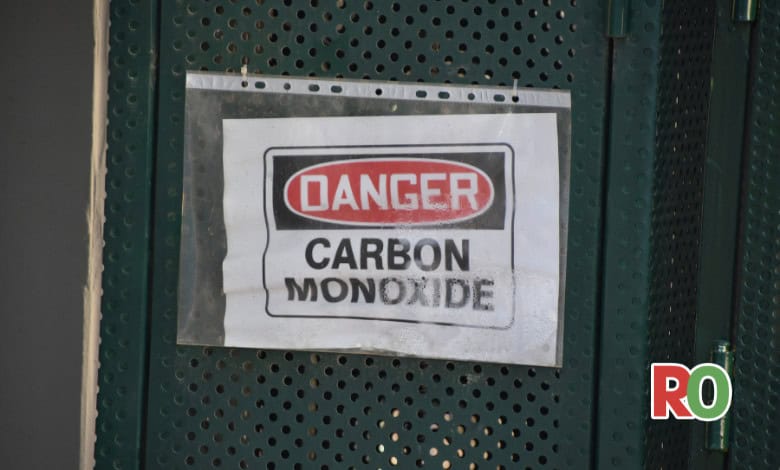
POLOKWANE – As temperatures drop and we start sealing windows, lighting fires, and running heaters, there’s one invisible danger every household should know about: carbon monoxide (CO) poisoning.
CO is known as “the silent killer” because you can’t see it, smell it, or taste it.
General practitioner, Dr Vanecia Shannon Sithole explained to Review Online that CO is produced when fuels like gas, paraffin, coal, wood, and petrol don’t burn completely.

“In winter, with homes closed up for warmth where people use a variety of heaters, fireplaces, etc. to keep warm, CO can build up pretty quickly in your house,” she said.
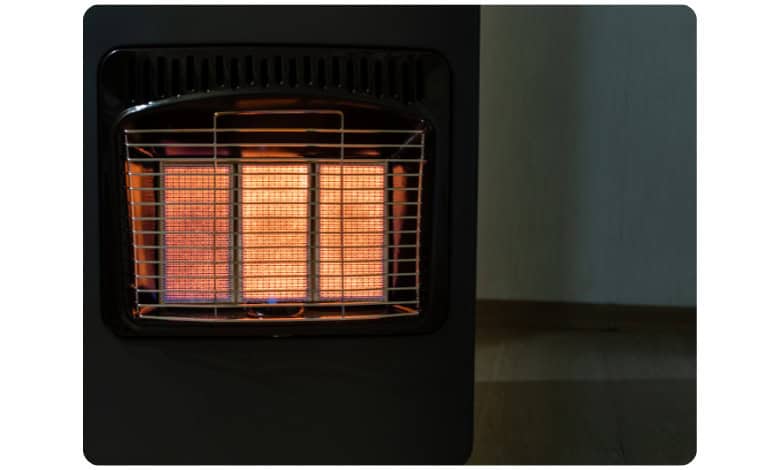
carbon monoxide if used in poorly ventilated spaces. Photo: Canva
After several discussions with the fire and emergency services departments, Sithole shares the do’s and don’ts to keep your family safe this winter.
The Do’s
- Install a carbon monoxide detector:
• Place a battery-operated CO alarm near bedrooms and near any fuel-burning appliance. Test it monthly, just like a smoke alarm. It’s the only way to know CO is present. - Get fuel-burning appliances serviced yearly:
• Have gas stoves, geysers, heaters, and fireplaces checked by a qualified technician before winter. Cracks, blockages, and poor ventilation are common causes of CO leaks. - Ventilate when using heaters or stoves:
• Even a small open window or vent allows fresh air in. Never completely seal a room when burning fuel. - Use appliances only as intended:
• Use gas heaters and paraffin stoves in well-ventilated rooms. Use charcoal and braziers only outside. “Bringing a braai indoors is extremely dangerous,” Sithole said. - Know the symptoms:
• Early signs of CO poisoning mimic flu: headache, dizziness, nausea, tiredness, confusion. “If multiple people or pets feel sick at the same time, get everyone into fresh air immediately and call emergency services,” she said.
The Don’ts
- Don’t use a gas stove or oven to heat your home:
• It produces large amounts of CO and uses up oxygen. It’s one of the most common causes of winter CO poisoning. - Don’t run generators, grills, or cars in garages or near windows:
• Even with the garage door open, CO can seep into the house. Never leave a car running in an enclosed space. - Don’t block vents, chimneys, or flues:
• Bird nests, soot, and debris can trap CO inside. Have chimneys cleaned before lighting winter fires. - Don’t sleep with unvented gas or paraffin heaters on:
• Turn them off before bed. The risk of buildup overnight is highest when everyone is asleep and doors/windows are closed. - Don’t ignore alarms or symptoms:
• If your CO detector sounds, treat it as real. Get outside, call emergency services, and don’t go back in until it’s checked.
“Winter is high-risk because in colder months we naturally close up homes to keep heat in. But that also traps any CO that’s produced. Combined with increased use of heaters, candles, and indoor cooking, the risk goes up,” Sithole said.
She pointed out a CO detector costs less than a takeaway meal, but it can save lives.
“Pair it with good ventilation and regular appliance checks, and you drastically cut your risk,” she said.
She emphasised that when it comes to CO, prevention is everything.
“If you suspect CO poisoning, get everyone outside to fresh air immediately and call emergency services or your local poison control centre,” Sithole urged.