
Navigating banking volatility
History provides valuable lessons when it comes to dealing with a banking crisis. This is what is involved.
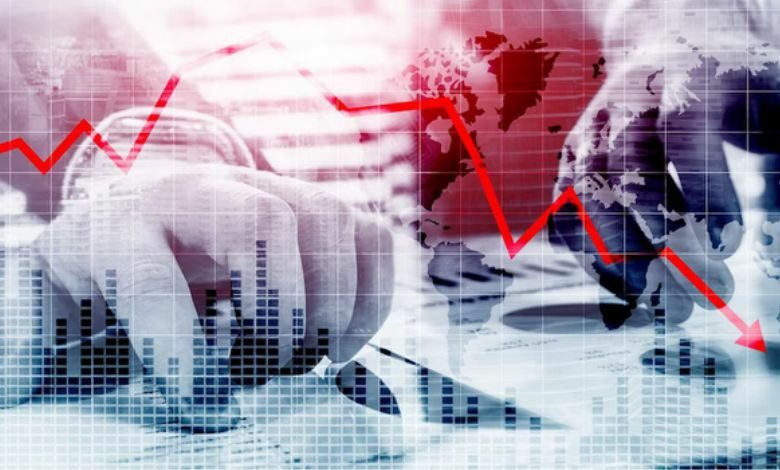
The stock market experienced one of its most significant declines in recent history in 2008. The deregulation of banks was a major factor in the 2008 catastrophe, which had been growing for some time. Leading indices like the SP500, DAX, and NIKKEI all took a knock, and while it may have felt sudden to some, it was actually the culmination of a series of events that had been building up for some time.
Unfortunately, we are witnessing another potential market crisis in 2023 with the collapse of Silicone Valley Bank.
If past developments in the financial sector are any indication, many people will have to withdraw their money from the market.
There is, however, one trade venue that continues to thrive. If the stock market is having a bad day or is through a rocky patch, investors can be assured that the foreign exchange market will always be a good place to put their money.
Trading on the Forex market is the best alternative to entering the financial world and being successful there in the absence of a stable stock market.
Trading the Forex market during banking crisis volatility
The market is notoriously volatile and complex during periods of financial crisis. The best strategy is to sit on the side-lines for a while and make high-probability deals when the time comes. Keep up with the latest events and anything else that could have an impact on the market by using the news alerts offered by regulated brokers like Khwezi Trade.
Avoid holding positions over the weekend if possible, as you will be unable to make any changes or adjustments to your portfolio.
Something might happen over the weekend, and you won’t be able to do anything about it until Monday. Nobody likes to look at the market and realise that something terrible has happened while they were helpless to prevent it.
Using leverage
The major currency pairs may move by as much as 3% on a bad trading day, while equities in general may move by as much as 3% to 8% on a daily basis. But you should expect FX to be more volatile in a crisis market and, as a result, lower your leverage dramatically even in normal market conditions.
Although these things are true, the general public still believes that FX is riskier and more volatile than equities. To the contrary, when you don’t use leverage, you gain.
Short selling
Major exchanges ban short selling during a severe crisis in order to prevent catastrophic losses. In order to slow the decline in value, exchanges prohibit short sales. It means that you, as an investor, must liquidate your holdings and take yourself out of the market until conditions improve before you can re-enter. It’s not a good idea to invest in the market if it’s going to be volatile for a while.
You have complete freedom of action in the foreign exchange market. While you’re actively trading in the forex market, you can take any kind of position, in any kind of direction.
Final thoughts
Foreign exchange (Forex) markets are open 24 hours a day, seven days a week, regardless of market conditions. You will have complete freedom to trade as you see fit. Shorting or being in such a position is not prohibited under any circumstances.
If you put your money into the stock market during a downturn, you may suffer heavy losses or be unable to invest at all.