
Thinking of taking leave from work? This is what you’re entitled to
Local employment standard specialist Caroline Kwetepane breaks down the different types of leave an employee is entitled to as per the Basic Conditions of Employment Act 75 of 1997.
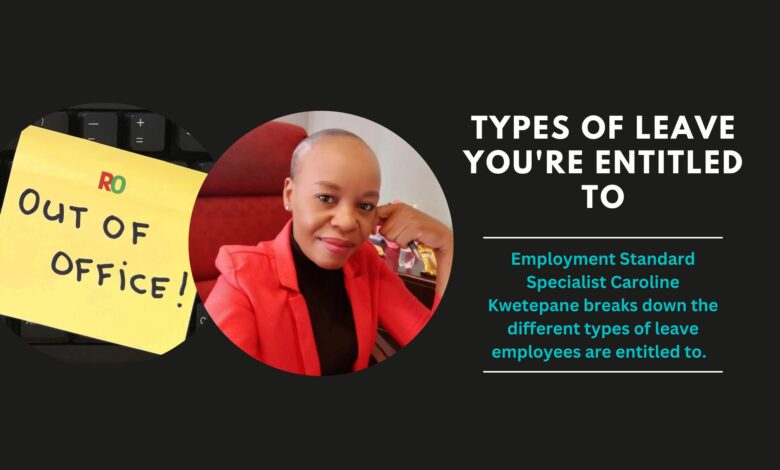
POLOKWANE – Being part of the South African workforce means workers and employers have many rights thanks to the Basic Conditions of Employment Act 75 of 1997.
Part of these rights include the right to leave or time off from work.
The Department of Labour’s employment standard specialist Caroline Kwetepane said according to sections 19 to 27 of the act, employees are entitles to annual, sick, maternity, parental, adoption and family responsibility leave.
She breaks down the types of leave employees are entitles to:
Annual leave:
“An employee is entitled to at least 21 consecutive days of annual leave with full renumeration in respect to each cycle or by agreement and applies to when an employee works for more than 24-hours a month for an employer,” she said.
Kwetepane added that an employee must be granted at least 21 days leave per year calculated from the date of commencement of employment.
Sick leave:
Sick leave is calculated over a three-year cycle.
“During every leave cycle, an employer is entitled to an amount of paid leave equal to the number of days the employee would work during the period of six weeks,” she said.
Maternity leave:
Kwetepane explained that an employee is entitled to at least four consecutive months of maternity leave commencing at any time.
“This type of leave applies to female employees and it commences at any time four weeks prior to the expected date of birth or on a date which a medical practitioner has certified that it is necessary for the employee’s health or of the unborn child,” she said.
Parental leave:
Parental leave entitles an employee who is a parent to a child to at least ten consecutive days and only commences the day an employee’s child is born or date that an adoption order is granted.
Adoption leave:
Kwetepane said adoption leave applies to an employee who is an adoptive parent of a child who is below the age of two.
“An employee is entitled to at least ten consecutive weeks of leave and may only commence on the date the adoption order is granted,” she said.
Family responsibility leave:
Family responsibility applies to an employee who has been in employment for longer than four months and works at least four days a week.
“With this type of leave, an employee is rather restricted to circumstances that vary such as an event of death of an employee’s spouse or a family member,” she explained.
Kwetepane advised that with leave an employee intends to take, he/she must notify their employer in writing including important dates such as the commencement and end date of the leave.