
NICD confirms measles outbreak in the Giyani area
A measles outbreak was first declared in Limpopo in October with majority of the cases reported in the Greater Sekhukhune District.
LIMPOPO – The National Institute for Communicable Diseases (NICD) says the two new measles-positive cases reported in the Mopani district meets the case definition for a measles outbreak.
The two cases increases the number of measles cases in the Giyani area to three within 30 days. The ages of the infected children are between two to five-years-old.
“The NICD is awaiting the case investigation forms from the Mopani district to update the measles information from the Giyani area,” a statement read.
A measles outbreak was first declared in Limpopo in October with majority of cases reported in the Greater Sekhukhune district and as of October 31, the number of laboratory-confirmed cases has increased to 12.
Read more: Measles outbreak declared in Limpopo
“The ages of the confirmed cases in the Greater Sekhukhune district ranged from nine months to 24-years-old, with seven males and five females. Three children were fully vaccinated against measles, seven had unknown measles vaccination histories and two children had not been vaccinated. Of the new cases, none were hospitalised,” their statement read.
The NICD said an outbreak is declared when three laboratory-confirmed cases are reported within 30 days in a district and a public health response investigation is needed to identify new cases and vaccination of the contacts to prevent the spread of the disease.
Read more: Measles: Have your kids vaccinated, MEC advises
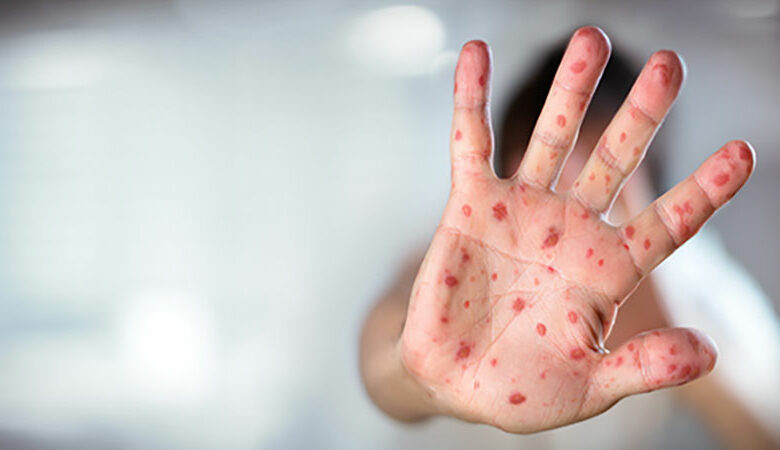
Measles, according to the institute, presents with fever, malaise, cough, conjunctivitis, and a runny nose. In addition, a maculopapular non-itchy, non-vesicular rash appears on the face, neck, trunk and limbs, usually on day four of the illness.
Complications include pneumonia, scarring of the cornea, and rarely encephalitis.
“Measles is highly infectious and spreads rapidly from person to person,” the institute explains, adding that unvaccinated people of any age can catch measles and develop the disease.
“Measles complications are severe in malnourished children and young infants under the age of two.”
The institute has warned clinicians and caregivers to be on alert for anyone presenting symptoms and signs and check children’s road-to-health booklets to ensure measles vaccinations are up to date.
Measles vaccines are given routinely at six and 12 months of age.
Suspected measles cases should be notified on the NMC system.