Public sector steps in to resolve water woes in Polokwane
The city of Polokwane, SAB, Anglo American and the Strategic Water Partners Network (SWPN) aim to protect and conserving the region's scarce water resources through a Water Efficiency Leakage Reduction project.
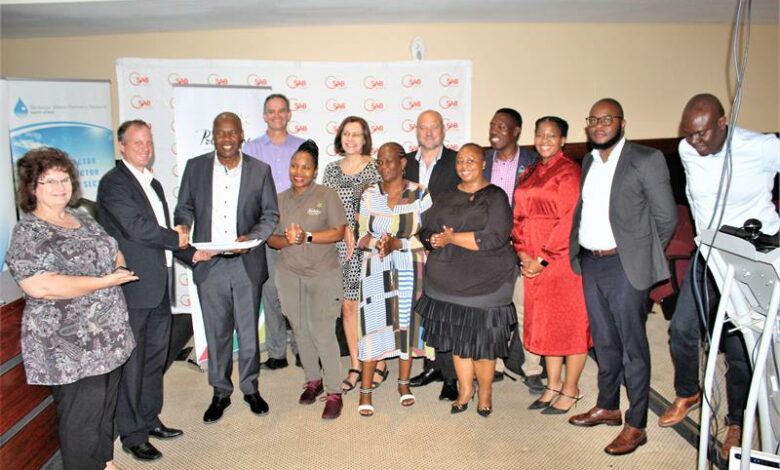
POLOKWANE – At a ceremony held at the new Peter Mokaba Stadium on Tuesday, Polokwane Mayor John Mpe took delivery of a report that may have far-reaching outcomes in terms of the city’s water challenges.
The report is the result of a partnership that was formed between the city, the South African Breweries (SAB), Anglo American and the Strategic Water Partners Network (SWPN) in 2019 with the aim of protecting and conserving the region’s scarce water resources through a Water Efficiency Leakage Reduction project.
You might also want to read: Polokwane residents want answers to the ongoing water crisis
The objective of the study was to develop a Water Conservation and Water Demand Management (WCWDM) strategy and business plan for Polokwane.
“This would help reduce water losses and unbilled and water that is unaccounted for.
The study included a detailed assessment of the Polokwane cluster (town) water supply area,” representative of the network Peter Varndell said.
According to the report, the assessment was carried out over two phases and led to an improvement of water management within the municipality, including a reduction in water losses and non-revenue water and phase 1 was completed in early 2020, highlighting inefficiencies (308 l/c/d), non-revenue water (NRW 69%) and water losses (44%), poor bulk and consumer metering and lack of a water balance.
Results indicated that by reducing the system input volume by 20% and increasing the billed consumption by 50%, the municipality will have an additional R111m per annum in reduced bulk purchase/treatment cost and increased revenue to implement the proposed strategy.
Approximately R30.6m per annum is required for the next five years to improve the NRW, water losses and inefficiencies in the Polokwane cluster with a project payback period ranging between three and five years. The reduction in NRW and increased efficiency will contribute greatly to water security.
Phase 2 included bulk and top consumer water meters installation, control valve maintenance, monitoring and preventative maintenance. A water balance was set up with the necessary dashboards enabling the municipality to monitor and manage water better across the water supply system.
The top consumer audits and monitoring showed that significant revenue could be generated from improved metering, reading and billing. The municipality billed nine customers a total of R26.91m for 767 616kl of water used from July 2021 to April 2022. The logging results indicate that the nine consumers used an average of 149 403kl per month based on January to July 2022 logging results.
You might also want to read: Polokwane water crisis: Mayor puts plans in place
Extrapolating the monthly consumption over 10 months, indicates that the municipality billed for only 50% of the actual consumption and under recovered approximately R23.6m.
The recommended priority interventions in the third phase include visible leakage repair, bulk meter replacement or installation to improve the accuracy of baseline data, pressure management, improved top consumer metering and monitoring as well as flow, pressure and level monitoring.
Based on these findings, the report recommends that the planned WCWDM interventions be implemented, and targets be achieved as a matter of priority to improve the financial viability and water security of the municipality.
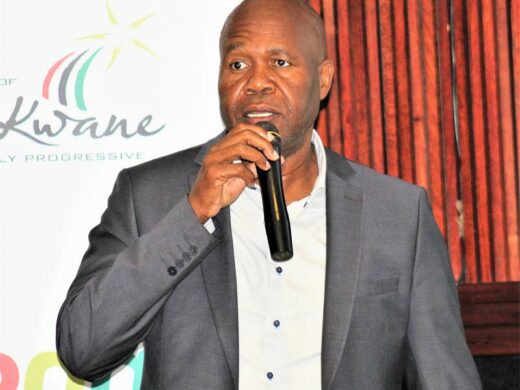
Mpe thanked the city’s two major water consumers, SAB and Anglo American for their contributions and assured that the recommendations will be prioritised.