
Lim Health Department confirms surge in malaria cases
The Department of Health said the surge is attributed to favourable weather conditions for mosquito breeding and the travelling season.
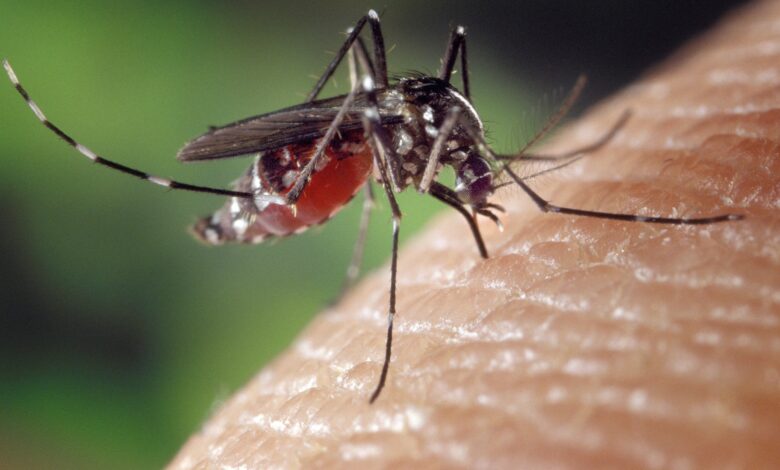
POLOKWANE – The Limpopo Department of Health are urging the public to take precautionary measures in protecting themselves against malaria amid a surge in cases in the province.
Health spokesperson Neil Shikwambana said Limpopo has seen a surge in cases over the past month in which 1 423 cases and two deaths recorded.
Shikwambana said these numbers are high compared to previous years’ statistics as in the in 2022/2023 financial year, annual figures stood at 1 745.
The surge, he said, is attributed to favourable weather conditions for mosquito breeding and the travelling season.
“The Easter holidays saw people travelling to malaria endemic areas in the region and the surge has mainly been reported in malaria prone areas such as Vhembe (northern & eastern lowveld areas) and the eastern part of the Mopani region. Of these cases, 820 were reported in Vhembe and 423 from Mopani,” his statement read.
Shikwambana said the Donald Fraser, Malamulele, Tshilidzini, Letaba, Maphuta Malatji and Nkhensani hospitals as well as clinics within the feeder areas of these hospitals are reporting majority of the cases.
“We as the department are warning communities in other areas to be on alert. Malaria is a treatable condition when discovered early, and therefore, people are advised to visit their nearest healthcare facilities as soon as they suspect that they could have contracted the disease,” he said.
Malaria symptoms include fever and flu like symptoms such as shaking chills, headache, muscle aches, and tiredness. Nausea, vomiting, and diarrhea may also occur in some cases.
Shikwambana said over a million households have been reached through the department’s indoor residual spraying campaign so far and that surveillance teams are currently investigating all notified cases at a community level, which involves contact tracing and awareness related to prevention and early treatment seeking behavior.