
International Albinism Day: Good treatment goes a long way
Kamogelo Koma and Pearl Nkosi are women living with albinism and say the treatment they have received has not impacted the way they see themselves.
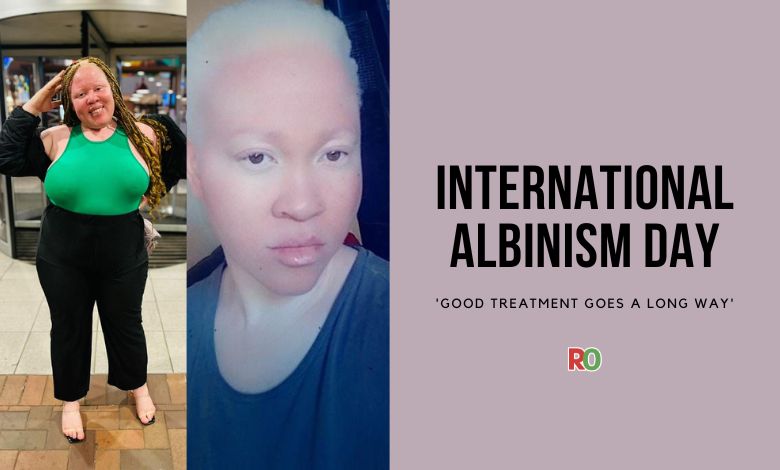
POLOKWANE – International Albinism Awareness Day is celebrated annually on June 13 to celebrate the human rights of persons with albinism worldwide.
Albinism is a rare, non-contagious, genetically inherited difference present at birth. In almost all types of albinism, both parents must carry the gene for it to be passed on, even if they do not have albinism themselves.
The condition, which has no cure, is found in both sexes regardless of ethnicity and in all countries of the world. Albinism results in a lack of pigmentation (melanin) in the hair, skin, and eyes, causing vulnerability to the sun and bright light. As a result, almost all people with albinism are visually impaired and are prone to developing skin cancer.
Kamogelo Koma is one of many people that live with albinism and explained it as just a skin condition, but not a thing that makes her less of a human.
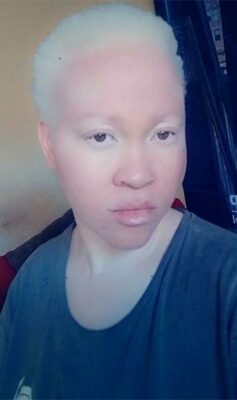
Koma told the Polokwane Observer that what she loves the most about herself is her kindness and welcoming nature. “I give support and advice where it is needed the most and I love that I am a caregiver and I love love,” she said.
However, living with albinism was a challenge to her growing up as she had to face issues such as bullying, lack of support and unfair treatment from the community and friends, “I remember being bullied by some of my classmates in primary school and I’d fake being sick so I can be alone and avoid hurtful remarks,”
Pearl Nkosi shared the same sentiments when she explained what she had to go through as a young girl and now. “People will treat you like there is something wrong with you, while others would date you so that they can experience how it feels to date a person living with albinism.”

She added that bad treatment also stems from people believing old myths such as people living with albinism do not die but rather disappear, while others believe they are a curse.
Koma and Nkosi believe that it would be beneficial for government to implement counseling initiatives that will help not only those living with albinism but people living with disabilities in general as well as educate people more to avoid lies and myths.
“People need to educate themselves more about various types of disabilities as that would also create awareness and help people treat everyone with respect and love regardless of their skin, race or gender,” said Koma.
She added that although she went through a traumatic experience as a young girl living with albinism, she uses it as a tool to advise parents of children living with albinism on how to treat their children and create awareness about it.
Nkosi said she loves herself more now and has accepted that her condition makes her unique. “I am proud to live with albinism.”