
Limpopo liquor tax hike sparks debate
Limpopo stakeholders debate the Transport Ministry's proposed liquor tax hike to curb road fatalities, with mixed reactions on its effectiveness.
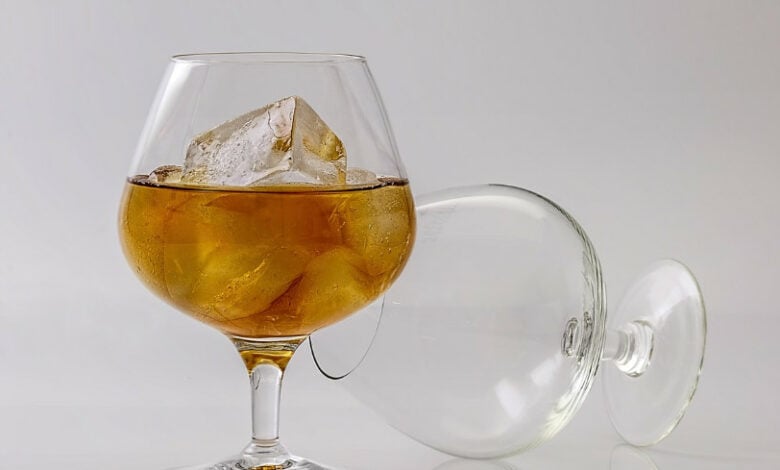
POLOKWANE – The Transport Ministry’s proposal to increase taxes on liquor as a measure to curb the rising number of road fatalities over the festive season has received mixed reactions from local stakeholders. This debate follows ongoing discussions about potentially shortening liquor trading hours.
Deputy Minister Mkhuleko Hlengwa recently highlighted that liquor consumption played a significant role in the recent surge in road accidents across the country.
He suggested increasing the price of alcoholic beverages in order to reduce consumption which, in turn, would save lives.
During the 2024 December festive season, 3 840 people were arrested for driving under the influence, while 1 502 people lost their lives on the roads due to various causes, including intoxicated driving – a 70% increase compared to the previous year. Limpopo alone accounted for 180 fatalities.
The National Treasury had already put forward a proposal in November last year to raise excise taxes on alcohol in an effort to curb excessive drinking.
The public consultation period, originally set to close in December, has been extended to February. The idea is that increased costs will lead to reduced alcohol intake, potentially improving driver behaviour and reducing accidents.
The Limpopo Liquor Traders Association, however, argues that more research is needed to establish a clear correlation between increased taxes and reduced alcohol consumption, as well as the broader impact on the industry.
Lucky Ntimane, a representative of the association, supports initiatives to promote responsible drinking but does not believe higher taxes are the right approach.
He argues that this measure unfairly targets businesses and could drive alcohol sales into the black market, as seen during the hard Covid-19 lockdown when illegal brewing spiked.
Critics also say that other factors contributing to road fatalities, such as poor road conditions and reckless driving, should be considered before implementing tax increases.
International examples suggest that higher liquor taxes can have positive effects.
In Scotland, the introduction of a minimum unit pricing (MUP) policy led to a 13.4% drop in alcohol-related deaths and a 4.1% decline in hospital admissions, according to national health statistics. Similar tax measures in Canada and Wales have also been linked to reductions in road fatalities.
The Limpopo Economic Development Department, speaking on behalf of its liquor board, acknowledged that intoxication impairs critical driving skills such as eyesight, reflexes, response time, and decision-making.
They did acknowledge however, that they are not in a position to confirm a direct link between intoxication and vehicle accidents or crime rates.
South Africans are encouraged to share their views on the proposed alcohol excise tax increase by sending an e-mail to 2024Alcoholreview@treasury.gov.za before the consultation period closes.