
Parasites and your health: What you need to know
Nutrition and lifestyle consultant Madeleine Helm hosts Zoom sessions on health and recently discussed parasite types, their health effects and ways to reduce infection risks.
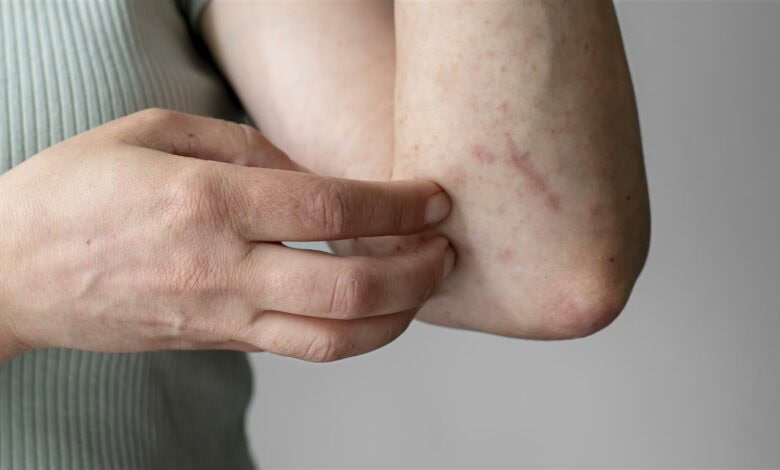
POLOKWANE – A parasite is defined by the Oxford Dictionary as an organism that lives in or on another species (its host), benefiting at the host’s expense. Many people unknowingly come into contact with parasites daily—whether through playing with pets, walking barefoot, or consuming food.
Nutrition and lifestyle consultant Madeleine Helm regularly hosts Zoom meetings on health and well-being. In a recent session, she discussed different types of parasites, their impact on human health, and how to mitigate risks.
Not All Parasites Are Harmful
“There is no escaping these little critters, and in many cases, you shouldn’t want to,” Helm explained. “Many parasites are actually beneficial—they consume dead skin flakes, absorb excess oils, and help keep your intestines clean. Others are simply harmless hitchhikers.”
However, she warned that some parasites are dangerous, stealing nutrients, drinking blood, and leaving toxic waste in the body. “These are the deadly parasites,” she said. “They include roundworms, hookworms, flukes, tapeworms, nematodes, and protozoa.”
Signs of Parasitic Infections
Many parasites can remain asymptomatic for years. However, they can lead to various health issues, including:
- Constipation
- Diarrhoea
- Gas and bloating
- Joint and muscle pain
- Anaemia
- Allergies
- Skin conditions
- Granulomas
- Nervousness
- Sleep disturbances
- Teeth grinding
- Immune dysfunction
Common Ways People Get Infected
Parasites can enter the body through various means, including:
- Living in or visiting areas with high parasite prevalence
- International travel
- Poor sanitation in food and water
- Weakened immune systems
- Exposure to childcare and institutional care centres
- Contact with animals
- Eating undercooked meat
- Consuming genetically modified foods (GMO)
- Handling money
- Walking barefoot
Prevention Measures
Helm advised several steps to reduce the risk of parasitic infections:
- Wash hands thoroughly before handling food, after using the toilet, and after contact with pets.
- Wash all fruits and vegetables before eating and cook meat thoroughly.
- Keep fingernails short and clean.
- Avoid GMO foods.
Diet and Supplements for Protection
Certain foods and supplements can help the body eliminate parasites:
- Reduce simple carbohydrates such as refined foods, sugary juices, and dairy.
- Consume foods known for their anti-parasitic properties, including pumpkin seeds, pomegranates, sunflower seeds, beets, and carrots.
- Increase dietary fibre from fresh fruit and vegetables.
- Take probiotics to maintain a healthy digestive tract.
- Use digestive enzymes, such as papain from papaya, which may help kill worms when taken before or after meals.
- Ensure adequate intake of vitamin C and zinc to boost immune function—sunflower seeds are particularly high in zinc.
“Green juices help to build the immune system so the body can naturally fend off unwanted bacteria and parasites,” Helm added. “They are anti-parasitic and easy on the digestive system, meaning the body does not have to compete with parasites for nutrients. As a result, the parasites begin to die off and leave the body.”
By following these preventive measures and maintaining a healthy diet, individuals can reduce their risk of parasitic infections and support overall well-being.