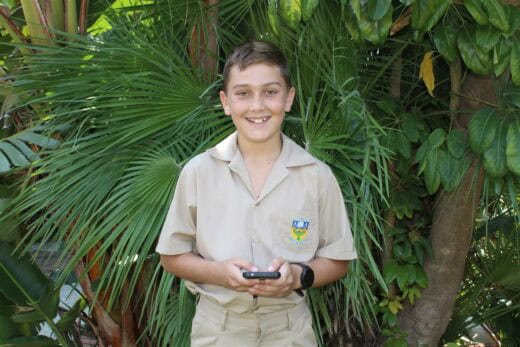
A school in the Western Cape recently banned the use of cellphones at school, and we asked local learners how important they think it is to have their cellphones with them when at school.
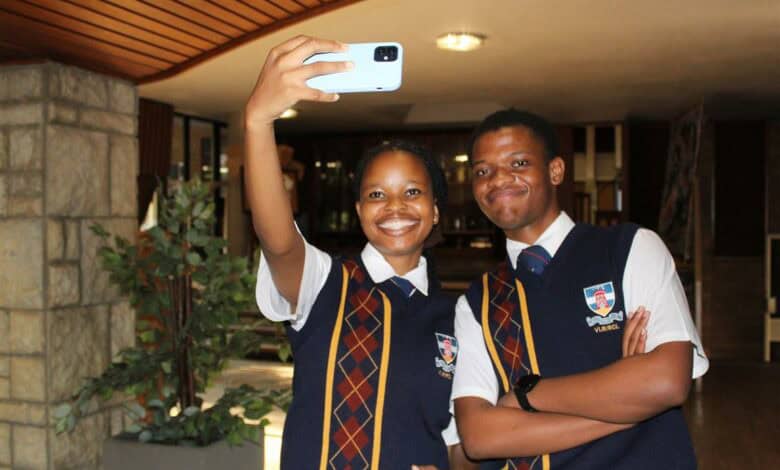
Naledi Hlabolwa (Tom Naudé Technical High School): “The rule impresses the idea that the school puts academics first. It helps us focus better and take responsibility for our work.”
Ofentse Modiba (Tom Naudé Technical High School) remarked, “Without cellphones, we can now focus on our work. It also creates a responsibility as we should rather leave our phones at home as they can be stolen if it is in our bags.”
POLOKWANE – Cellphones have become a necessity in daily life, but not everyone needs one all the time.
Twenty years ago, if a child forgot their lunch or a book, they would go to the school secretary who would call their parent.
Today, children have access to cellphones and can quickly call their parents to bring forgotten items, but this convenience comes with its own set of problems.
The distraction of phones in class is a major concern, as learners often use them to play games rather than focus on their studies.
Unregulated messages and photos, including bullying, have also become significant issues associated with cellphone use in schools.
A school in the Western Cape recently banned the use of cellphones.
Polokwane Review visited Tom Naudé Technical High School and Pietersburg Laerskool to learn what learners here think about having cellphones at school.
At Tom Naudé, learners are not allowed to use or have their cellphones with them. Phones must stay in their bags or at home. Similarly, at Pietersburg Laerskool, phones are handed in and locked in a safe.
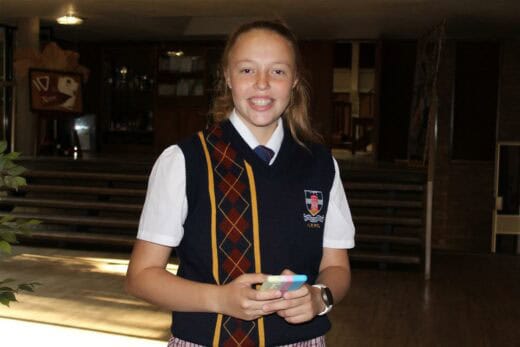
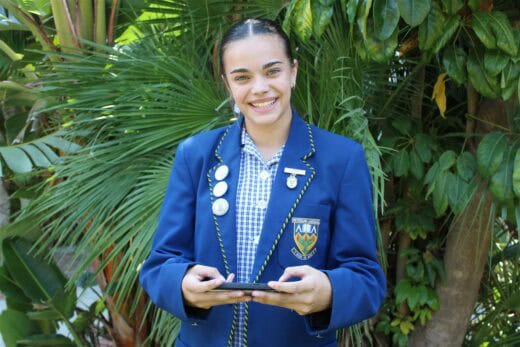
Megan Branders (Tom Naudé Technical High School) added, “Selfone trek ons aandag af en dan kan ons nie op ons skoolwerk fokus nie, en dit bring ‘n mens maklik in die moeilikheid aangesien daar foto’s geneem word en ‘n mens se privaatheid geraak word.”Naledi Hlabolwa (Tom Naudé Technical High School): “The rule impresses the idea that the school puts academics first. It helps us focus better and take responsibility for our work.” Ofentse Modiba (Tom Naudé Technical High School) remarked, “Without cellphones, we can now focus on our work. It also creates a responsibility as we should rather leave our phones at home as they can be stolen if it is in our bags.”Shenika-Lee Koegelenberg (Pietersburg Laerskool): “Om ‘n selfoon by die skool te hê is sleg. Mense neem dinge af wat hulle nie mag nie en neem videos waar hulle sleg praat van die onderwysers en ouers. Hulle stuur ook lelike prentjies aan.”Mason Taylor (Pietersburg Laerskool) stem saam: “Dit is ‘n goeie ding dat ons nie ons selfone by ons mag hê nie, aangesien dit ons aandag van ons werk af trek. En as ons dan by die huis kom, wil ons net speletjies speel en nie ons huiswerk doen nie.”For more breaking news follow us on FacebookTwitter Instagram or join our WhatsApp group
At Caxton, every story is written by humans. We use AI only to perform quality checks - never to generate the news. Happy reading!
Raeesa Sempe is a Caxton Award-winning Digital Editor with nine years’ experience in the industry. She holds a Bachelor’s Degree in Media Studies from the University of the Witwatersrand and started her journey as a community journalist for the Polokwane Review in 2015. She then became the online journalist for the Review in 2016 where she excelled in solidifying the Review’s digital footprint through Facebook lives, content creation and marketing campaigns. Raeesa then moved on to become the News Editor of the Bonus Review in 2019 and scooped up the Editorial Employee of the Year award in the same year. She is the current Digital Editor of the Polokwane Review-Observer, a position she takes pride in. Raeesa is married with one child and enjoys spending time with friends, listening to music and baking – when she has the time. “I still believe that if your aim is to change the world, journalism is a more immediate short-term weapon." – Tom Stoppard