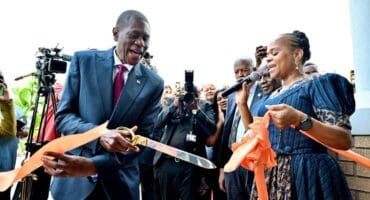
Thengwe traditional leader brings clean water to villages
Thengwe residents no longer rely on a contaminated river water, thanks to a borehole project led by their the senior traditional leader.
LIMPOPO – More than 500 households in Thengwe-Thondoni and its extensions will no longer need to travel the approximately 2km stretch to fetch contaminated water from the Mbidinwe river, which they shared with cattle.
This improvement is thanks to the initiative of the senior traditional leader of Thengwe, Thovhele Vudzidzhena Nethengwe, who proposed drilling three boreholes to provide clean water to the community.
According to Nethengwe, water scarcity remains a significant challenge in the Vhembe region. Previously, Thengwe residents relied on nearby rivers for water, which was often polluted due to sharing with livestock. To address this, he suggested drilling three boreholes, purchasing water tanks, and installing standpipes, allowing residents to have individual taps in their households.
The water project, which cost over R300 000, was funded through various projects within the Thengwe Tribal Council, such as sand mining. No contributions were required from villagers. Since October 2024, the community has been receiving clean water from the taps. Nethengwe urged residents to protect the water infrastructure from vandalism, saying it is important to safeguard the project for future generations.
He encouraged other traditional leaders to undertake similar initiatives for their communities, rather than placing blame elsewhere. He believes community-driven projects can effectively address water challenges.
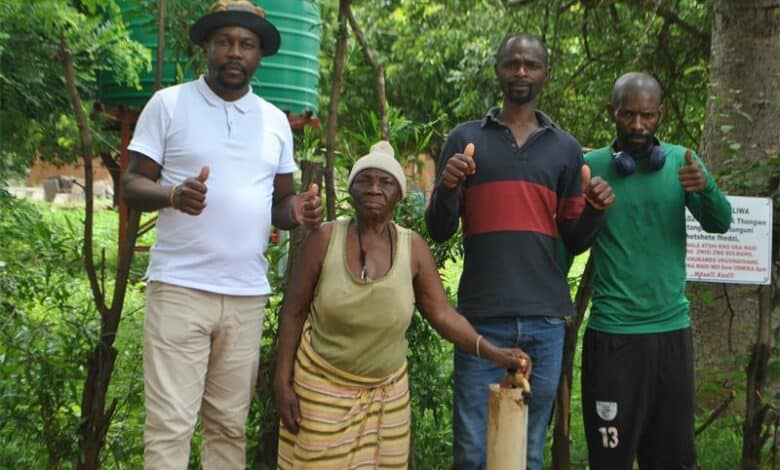
Community leader Khodani Mudanalwo expressed gratitude for the clean water now available, stating that previously, villagers in Thengwe-Thondoni had to drink contaminated water from the river. The three boreholes, each drilled 120m deep, are expected to provide a sustainable water supply for the community.
The 93-year-old Muofhe Nethengwe was overjoyed at the availability of clean water from the taps, and spoke of the hardships of fetching water from the river in her youth. She said she was glad knowing that future generations in Thengwe-Thondoni will have access to clean water.